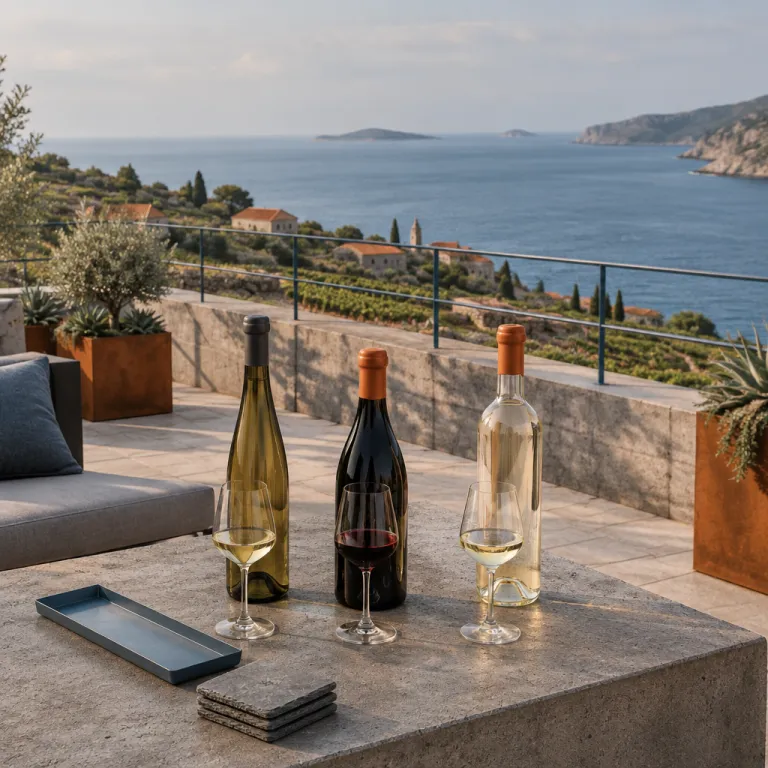
Reading the glass: how to use a Croatian wine guide by regions
Think of this Croatian wine guide by regions as a quiet concierge, steering you from hotel lobby to hillside vineyard with purpose. In a country where Croatian wine culture runs deep, understanding each wine region will shape not only what is in your glass but also where you choose to sleep along the Croatian coast. For business travelers extending a stay, this structured view of Croatian wine regions turns a standard trip into a curated journey through landscape, grape varieties and serious cellars.
Croatia divides its wine regions into four broad characters that matter for travelers who care about both wine and hospitality. Istria and the wider Istria–Kvarner area form the polished northern coast, Dalmatia and the Dalmatian coast stretch south in a chain of islands, while the continental heartland and Croatian uplands deliver cool-climate white wines with a different rhythm. Each region offers its own balance of luxury countryside retreats, focused wine production and access to the best local restaurants where Croatian wines are treated with the same respect as the tasting menus.
When you order Croatian wine in a hotel dining room, you are really choosing between these regions and their signature grape varieties. Malvazija from Istria, Plavac Mali from Dalmatia and Graševina from central Croatia form the essential trio for any serious Croatian wine guide regions overview. Understanding how each grape variety expresses its origin will help you read a wine list as confidently as you read a room, whether you are on the Dalmatian coast for meetings or in a countryside retreat for a long January reset.
Istria and Kvarner: Malvazija, polished cellars and coastal countryside retreats
In Istria, the leading white grape is Malvazija Istarska, and it sets the tone for the entire region. This northern Croatian coast landscape of rolling hills, stone villages and olive groves produces white wines that are crisp, mineral and quietly luxurious, ideal for long lunches between meetings. Many of the best estates sit within easy driving distance of premium countryside hotels, allowing you to move from infinity pool to wine tasting without losing the thread of your day.
Malvazija as a white grape thrives on Istria’s limestone soils, giving a style of white wine that pairs naturally with Adriatic seafood and the region’s award-winning olive oils. Producers across the Istria–Kvarner area increasingly focus on single-vineyard expressions, treating each wine region parcel with the same care a top hotel gives to its suites. For travelers, this means you can taste different Malvazija varieties side by side and feel the subtle shifts in origin, from coastal sites to slightly higher inland elevations.
Kvarner, recognized as a rising gastronomic region, links neatly with Istria for a two- or three-night countryside circuit anchored by serious hotels. Here, white wines from local white grape varieties share the stage with lighter red wine styles, offering a softer counterpoint to the powerful reds of Dalmatia. If you are planning a slow route between coastal meetings and island stays, consider pairing an agriturismo-style retreat with a visit to family estates on Šolta, where the slow way to visit Croatia naturally includes thoughtful tastings of both olive oil and Croatian wines.
Dalmatia and the islands: Plavac Mali, red rock vineyards and Adriatic light
Further south along the Dalmatian coast, the mood shifts from Malvazija’s cool precision to the raw power of Plavac Mali. This red grape is the primary red grape of the Dalmatian coast and shapes many of the most characterful Croatian wines, especially on the Pelješac peninsula and nearby islands. The steep, sun-drenched slopes here create red wines with serious structure, making this wine region essential for travelers who prefer a bold glass with grilled lamb or aged cheese.
Plavac Mali is genetically related to Zinfandel, and the best examples from appellations such as Dingač and Postup show why this origin matters. These red wines can reach high alcohol levels, and as one expert summary notes, “Rich, flavorful wines with high alcohol and tannins.” For executives used to polished Napa tastings, a visit to a Dalmatian family cellar offers a different kind of luxury, where the winemaker might pour from barrel while the family prepares lunch in a stone courtyard overlooking the coast.
Island stays integrate naturally with this Croatian wine guide regions approach, especially if you base yourself in a luxury property that respects local wine production. On Brač, for example, a stay near the waterfront pairs well with tastings of both white and red grape varieties grown on the island’s interior slopes, and you can read more about elevated stays in the area through this review of waterfront luxury in Bol. Whether you are tasting Plavac Mali on Pelješac or sampling a Decanter wine level bottling from Hvar, the key is to let the Dalmatian coast set the pace, with long, late dinners and a glass of Croatian wine that reflects the sea breeze outside your room.
Continental Croatia and the uplands: Graševina, cool nights and quiet estates
Turn inland from the Croatian coast and the landscape softens into the continental plains and Croatian uplands, where Graševina takes the lead. This white grape is the most widely planted in Croatia, and in the right hands it produces white wines that are dry, structured and quietly complex. For travelers who prefer countryside retreats over coastal bustle, this wine region offers space, calm and a different expression of Croatian wine culture.
In Slavonia and central Croatia, Graševina often shows green apple, citrus and gentle spice, making it a versatile white wine for both business dinners and relaxed hotel terraces. Producers here experiment with different grape varieties, including aromatic Traminac and other white grape styles, yet Graševina remains the anchor that defines the regions. Many estates welcome visitors by appointment, and pairing a stay at a refined rural property with a focused tasting can be one of the best ways to understand how climate and soil shape Croatian wines.
The Croatian uplands also produce lighter red wine styles from red grape varieties that suit cooler evenings and game-driven menus. For executives used to alpine retreats, the rhythm here feels familiar, with forested hills, slower roads and hotels that lean into wellness as much as wine production. If you are planning a multi-region itinerary, consider linking a few nights in these uplands with a stay at a refined countryside property such as those highlighted in our guide to timeless elegance in the Croatian countryside, then returning to the coast with a deeper sense of how Croatia wine changes from inland to sea.
Pairing hotels, wine lists and serious producers across Croatia
For a traveler using this Croatian wine guide regions overview to plan actual nights away, the most rewarding stays are those where the hotel and the surrounding wine regions speak the same language. In Istria, look for countryside properties whose cellars focus on Malvazija and Teran from nearby estates, ideally with vertical tastings that show how the same grape variety evolves over several vintages. Along the Dalmatian coast, prioritize hotels whose sommeliers can explain the differences between Plavac Mali from Pelješac, Hvar and Brač, and who are not afraid to pour lesser-known red grape varieties by the glass.
Some of the best experiences come when a property treats its wine list as a narrative of Croatian wines rather than a generic international offering. That might mean a focused selection of white wines from the Istria–Kvarner corridor alongside structured reds from Dalmatia, or a dedicated page for Graševina and other continental white grape styles. For business travelers, this level of curation turns a working dinner into an informal masterclass in Croatian wine, especially when staff can explain which wine region each bottle comes from and why that origin matters.
As you move between regions, pay attention to how hotels integrate local wine production into their wider sense of place, from vineyard partnerships to in-room tastings during quieter January stays. A serious property will often highlight award-winning bottles, including any Decanter wine level accolades, yet the real measure is how confidently they pour Croatia wine from small producers alongside more established Croatian wines. When the glass in front of you reflects the landscape outside your window, you know your itinerary has aligned with the true spirit of Croatia and its many wine regions.
Planning your countryside wine itinerary: practical notes for discerning guests
Designing a trip around this Croatian wine guide regions framework starts with choosing your anchor points, usually one coastal base and one inland retreat. Many travelers begin in Istria or the Istria–Kvarner area, where short drives connect luxury hotels with Malvazija-focused estates and relaxed coastal restaurants pouring precise white wines. From there, a flight or drive south to the Dalmatian coast allows you to shift into Plavac Mali country, with island hotels and peninsular guesthouses placing you close to steep red wine vineyards.
When booking, look for properties that mention partnerships with local wineries, curated tastings or dedicated wine concierge services, as these are strong indicators that Croatian wine is taken seriously on site. In continental Croatia and the Croatian uplands, consider stays that combine spa facilities with access to Graševina producers, giving you time to balance tastings with genuine rest. For executives extending a work trip, this mix of focused wine region visits and high-service countryside retreats can turn a few extra days into a coherent journey through Croatia wine culture.
Finally, remember that each region has its own rhythm, and the best itineraries respect those natural tempos rather than rushing between too many wine regions in one stay. Allow at least two nights in each chosen region so you can taste both white and red grape varieties in different settings, from formal tastings to casual glasses on a hotel terrace. With that space, the names Malvazija, Plavac Mali and Graševina stop being labels on a list and become anchors for how you experience Croatia, its coast, its uplands and the quiet luxury of its countryside retreats.
FAQ
What are the main characteristics of Plavac Mali wines for travelers to know?
Plavac Mali typically produces rich, deeply flavored red wines with noticeable tannins and relatively high alcohol, especially along the sun-exposed Dalmatian coast. These wines often show dark fruit, dried fig and Mediterranean herb notes, making them ideal with grilled meats and robust local dishes. If you enjoy structured reds such as Zinfandel or Primitivo, Plavac Mali from classic wine regions like Pelješac will feel immediately familiar yet distinctly Croatian.
Why is Malvazija considered essential when visiting Istria and Kvarner?
Malvazija Istarska is the signature white grape of Istria and a key reference point for the broader Istria–Kvarner area. It usually gives fresh, mineral white wines with citrus, stone fruit and a gentle almond note, pairing naturally with Adriatic seafood and local olive oil. For travelers staying in countryside retreats, tasting several Malvazija wines side by side is one of the best ways to understand how origin and micro-region shape Croatian white wines.
How does Graševina differ from other Croatian white grape varieties?
Graševina is the most widely planted white grape in Croatia and dominates many vineyards in continental regions and the Croatian uplands. Compared with aromatic varieties such as Traminac, Graševina tends to be more restrained, with flavors of green apple, citrus and subtle spice, and it often shows a firm, food-friendly structure. This makes it a versatile choice on hotel wine lists, working well with both lighter dishes and richer Central European inspired cuisine.
Which Croatian wine regions are best for combining luxury hotels with winery visits?
Istria is particularly strong for travelers who want polished countryside hotels, refined restaurants and easy access to Malvazija-focused estates. The Dalmatian coast, especially Pelješac and nearby islands, offers more rugged scenery and powerful Plavac Mali reds, often paired with intimate, family-run cellars. Inland, continental Croatia and the Croatian uplands provide quieter retreats where Graševina and other white wines take center stage, ideal for guests seeking calm, space and a slower pace between tastings.
Are Croatian wines gaining international recognition among serious collectors?
Croatian wines, especially those based on indigenous grape varieties such as Malvazija, Plavac Mali and Graševina, are increasingly present in international competitions and specialist wine lists. Producers from regions like Istria and Dalmatia have earned award-winning status, including medals in respected events such as the Decanter World Wine Awards, often referred to informally as Decanter wine accolades. For collectors staying in high-end Croatian hotels, this means local wine lists now offer bottles that stand comfortably alongside established international benchmarks.