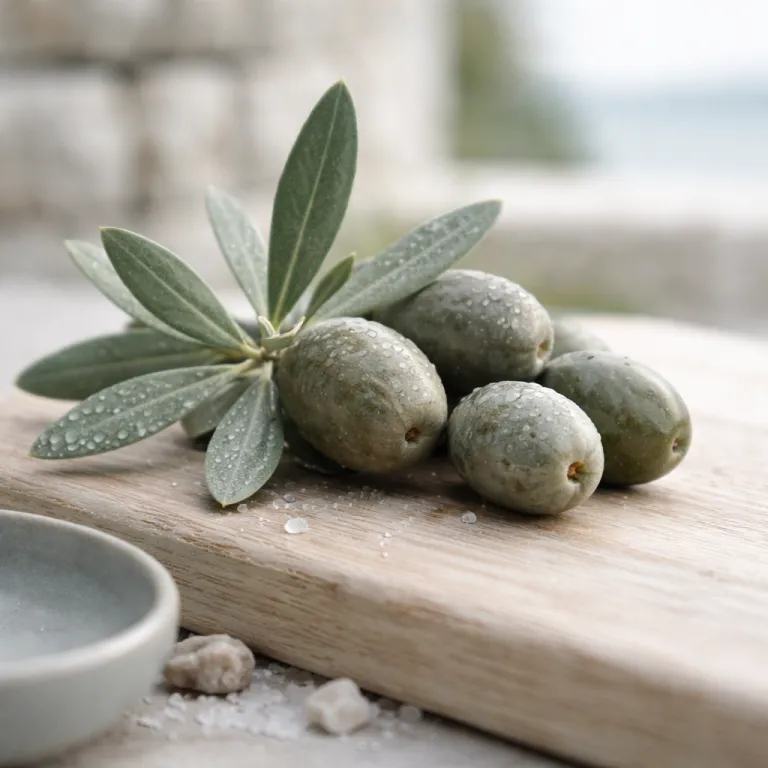
Arriving on Šolta: the quiet side of accommodation in Croatia
The ferry from Split to Šolta feels like a reset button for any Croatia vacation. As Rogač comes into view, the island’s low stone houses and working boats signal a different rhythm of accommodation in Croatia, one built around family estates rather than large resorts. You step off the ferry and realise this island is about walking-distance coves, conversations with a local host, and nights that end early because tomorrow’s sea and olive groves will not wait.
From the port, a short drive inland takes you to Grohote and Donje Selo, where traditional apartments and guesthouses sit beside fields of Levantinka and Oblica olives. Here, a solo traveller can find accommodation in Croatia that feels genuinely private, with small villas, a restored stone house, or a simple vacation rental forming a base between the hills and the sea. The average visitor splits their holiday between the inland villages and a beach cove, choosing rentals where the price per night reflects both comfort and the privilege of quiet.
On Šolta, places to stay are still shaped by agriculture, not mass tourism, and that changes everything about your time on the island. You might book an apartment above an olive mill, a house with a swimming pool overlooking dry stone terraces, or villas that offer free private boat transfers to hidden bays. Many of these vacation rentals include air conditioning, an equipped kitchen, and private parking, but the real luxury is the short walk to the nearest path through the groves and the chance to talk with other guests who came for the same slow rhythm.
Staying on an olive oil estate: Šolta’s family accommodations
Šolta’s family estates turn accommodation in Croatia into a working landscape experience rather than a simple place to sleep. Traditional producers invite guests into a world of hand-picked olives, cold-pressed oil, and evenings that revolve around the table instead of a lobby bar. During the October and November harvest, visitors can often join locals in the groves to see how Šolta’s olive oil is produced from indigenous Levantinka and Oblica varieties, harvested by hand and pressed while still fresh.
These estates usually offer a small number of apartments or a single vacation rental house, often fully equipped yet intentionally simple, with stone walls, wooden beams, and an equipped kitchen that smells of fresh rosemary. A solo traveller can book accommodation in Croatia here and expect air conditioning, reliable hot water, and sometimes a modest swimming pool, but the real amenity is the host who pours last season’s oil over grilled fish. As one Grohote owner likes to tell guests, “If you leave hungry, it is my fault, not the island’s.” Nights are quiet, the average rating in online reviews is high, and guest comments often mention the sense of being treated as a long-awaited friend rather than a booking reference.
Some estates partner with skippers for private boat excursions, so you can leave your apartment in the morning, cross to a nearby island, and be back by night for a tasting menu built around olive oil and local wine. Compared with a design-forward city stay in Split, such as the property featured in this guide to Croatia’s first design hotel in Split on contemporary Split hotel design, Šolta’s villas and vacation rentals feel deliberately low key. This contrast is what makes accommodations in Croatia so compelling for a solo explorer who wants both urban energy and agriturismo calm in a single holiday.
Coastal escapes: coves, konobas, and the slow beach circuit
From Grohote, every road seems to slope toward a different cove, and each one reframes what coastal accommodation in Croatia can be. Maslinica, on the western tip, offers waterfront villas and apartments where a guest can wake to fishing boats instead of party yachts, then walk a minute to the harbour for coffee. Stomorska, on the opposite side, feels like a film set at night, with stone houses stacked above the sea and vacation rentals that place you within a short stroll of the water.
Here, the beach is rarely a long sandy strip; it is a series of rocky shelves, pine-shaded platforms, and tiny pebble inlets where you slip into clear water before breakfast. Many accommodations in Croatia on Šolta sit a five- to ten-minute walk from these coves, trading immediate beachfront for privacy, free private parking, and terraces that catch the evening breeze. Solo travellers often choose a private apartment or small house with an equipped kitchen, then eat one meal out at a konoba and one meal in, using olive oil bought directly from the estates.
Food is the real map of the island, and the best konobas still decide lunch by what has been caught that morning, not by a laminated menu. To understand how these family-run spots fit into the wider story of a Croatia vacation, read the analysis of traditional konobas on what Croatian konobas get right, then apply that lens in Maslinica and near Stomorska. When you return to your vacation rental at night, you will see why reviews Croatia-wide often highlight Šolta’s balance of simple beach access, respectful hosts, and an average price per night that still feels fair for such unspoiled surroundings.
How Šolta fits into a wider Croatia vacation itinerary
Šolta works best as the slow centrepiece of a longer journey through accommodation in Croatia, especially for solo travellers who value contrast. Many guests start with a couple of nights in Zagreb, using a city hotel or serviced apartments as a base for galleries and coffee bars before heading south. From there, Split becomes the natural jumping-off point, with its own mix of rentals, villas, and apartments that can feel intense after a day, which is exactly when Šolta’s ferry begins to appeal.
On mycroatiastay.com, we often suggest pairing a week on Šolta with a few nights in Dubrovnik or another Adriatic city, using guides such as this overview of where to find the best hotels in Dubrovnik Old Town for an exceptional stay on exceptional Dubrovnik Old Town hotels. This combination lets you experience both heritage city walls and island olive groves, while keeping your accommodation in Croatia focused on characterful properties rather than anonymous blocks. If you are tempted by other islands such as Dugi Otok, think of Šolta as the more compact, olive-focused cousin, with fewer vacation rentals overall but a consistently strong reputation for hosts who still work the land.
When you compare rentals Croatia-wide, Šolta’s accommodations often stand out for their balance of privacy, access, and sustainability. You can find accommodation that includes free private parking, air conditioning, and a swimming pool, yet still sits within a short walk of a working field or a fisherman’s mooring. For a solo explorer, this means every night on the island adds a layer to your understanding of Croatia, from the capital’s café culture in Zagreb to the quiet discipline of an olive harvest that shapes both the landscape and the way people welcome guests.
Responsible visiting: keeping Šolta’s olive oil country special
Šolta’s calm is not an accident; it is the result of deliberate choices by local families, cooperatives, and hosts about how accommodation in Croatia should evolve on this island. With extensive olive groves and a production period that stretches across the autumn months, the economy still leans heavily on olives, not on high-volume tourism. That is why some coves remain unmarked, some paths are shared with tractors, and many vacation rentals are conversions of existing houses rather than new builds.
As a guest, you play a direct role in keeping this balance intact, starting with the type of accommodation you choose and the way you use it. Opt for apartments, villas, or a vacation rental house that is fully equipped, energy efficient, and owned by local families, then respect water use, noise levels at night, and the privacy of neighbours who are not on holiday. When you read reviews before you book, look beyond the average rating and price per night to see whether previous guests mention sustainable practices, recycling, or support for local producers.
Responsible visiting also means resisting the urge to treat Šolta like a checklist stop between more famous islands such as Dugi Otok or Hvar. Stay long enough to walk the inland paths, visit olive mills, and buy directly from producers whose work underpins much of the island’s character. If you use vacation-rental platforms to find accommodation, filter for pet-friendly options only if you can manage them respectfully, and always leave apartments and villas as clean as you found them, so accommodations in Croatia on Šolta remain welcoming for the next wave of slow travellers.
FAQ
What makes Šolta different from other Croatian islands for accommodation ?
Šolta stands out because accommodation in Croatia here is still closely tied to olive oil production and small family estates rather than large hotels. Many apartments and villas sit within or beside working groves, so your holiday overlaps with real agricultural life. This creates a quieter, more grounded experience than on islands focused mainly on nightlife.
Can visitors join the olive harvest on Šolta ?
During the October and November harvest period, several estates invite guests to join olive picking for a day or longer. You can stay in on-site apartments or a vacation rental house, then spend daylight hours in the groves and evenings tasting fresh oil. It is a hands-on way to understand why Šolta’s producers are recognised across Croatia and beyond.
How do I reach Šolta and its family estates from Split ?
The island is connected to Split by a regular car ferry that typically takes about sixty minutes to reach Rogač. From the port, local buses and taxis link to Grohote, Maslinica, and Stomorska, where most accommodations in Croatia on Šolta are located. Many hosts offer transfers or clear directions, so a solo traveller can arrive without a car and still move comfortably.
What should I look for when booking accommodation on Šolta ?
Focus on properties with strong reviews, a clear average rating, and detailed comments that mention host warmth, cleanliness, and accurate descriptions. Check whether the apartment or house offers air conditioning, an equipped kitchen, and private parking if you are driving. Finally, note the walking time to the nearest beach or village, as a short walk can make daily life on the island much easier.
Where can I buy Šolta olive oil to take home ?
You can purchase olive oil directly from family estates, at local cooperatives, and in village markets across the island. Many producers offer tastings, so you can compare different oils before choosing bottles to pack. Buying locally supports the same families who provide much of the island’s accommodation in Croatia and helps keep Šolta’s olive culture thriving.
Sources
Croatian National Tourist Board; local tourism information offices; regional travel publications.