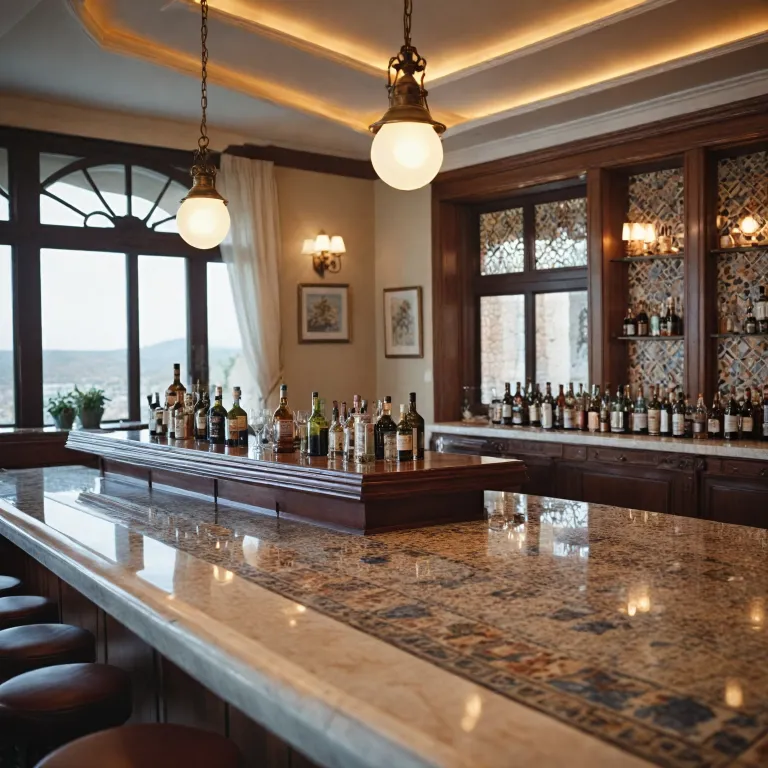
How the drinking age in Croatia shapes your luxury stay
The drinking age in Croatia is a central element of trip planning for refined travellers. When you book a premium hotel, the legal framework around alcohol quietly shapes bar menus, in room amenities, and hosted events. Understanding how the legal drinking rules work helps you enjoy every glass responsibly while avoiding uncomfortable surprises.
Croatia applies a single minimum age for all alcoholic beverages, whether you order Champagne, craft beer, or Dalmatian wine. The legal drinking age in Croatia is 18 years, and this age years threshold governs both purchase and consumption in hotels, restaurants, and beach clubs. For guests arriving from countries with a higher purchase age or lower years age limits, this clear standard often feels both straightforward and reassuring.
Luxury properties work closely with the Croatian Government’s regulations and the penal code to ensure that every person on the premise is treated safely and fairly. Staff are trained to check IDs, interpret the relevant code art, and refuse to supply alcohol when the law makes service prohibited. This is especially important in resort environments where families, minors, and adults share the same pool bars and lounges.
For parents, the rules around alcohol beverages and beverages minors are particularly important when choosing a five star address. Croatian law states that “Croatian law prohibits the sale, serving, or gifting of alcoholic beverages to individuals under 18, with no exceptions for private settings.” This means that even in a suite or villa, a child or teenager cannot legally consume alcohol, and hotels must align their service standards accordingly.
Legal framework, penal code, and what hotels must enforce
Behind every elegant lobby bar lies a precise legal framework that defines the drinking age in Croatia. The penal code and related regulations govern the sale alcohol, the sale consumption of drinks, and the responsibilities of each premise that serves guests. For luxury hotels, compliance is not just a legal duty ; it is part of their brand promise of safety, discretion, and professionalism.
Under Croatian law, the minimum age for any alcohol beverage is 18, and this age croatia rule applies nationwide. Whether you are in Dubrovnik, Split, Istria, or Zagreb, the same age purchase requirement and purchase age limit applies to all alcoholic beverages. Hotels therefore design their bar concepts, wine lists, and in room minibars around the assumption that only adults of at least 18 years age may consume alcohol.
Retailers and establishments are considered enforcers of the penal code, and luxury hotels fall squarely into this category. They must verify that each person ordering alcohol beverages is of legal drinking age, usually by checking a passport or government ID. If staff fail to respect the penal code and serve minors, the sale alcohol can trigger fines, reputational damage, and even licensing issues.
In premium coastal resorts, where sunset cocktails are part of the experience, managers pay particular attention to beverages abv levels. Stronger alcohol beverages with higher beverages abv may be served in smaller measures, and staff are trained to refuse to supply alcohol when a guest appears intoxicated. When you read about premium oceanfront rentals and amenities, remember that Croatian hotels follow similarly strict standards for alcohol service.
Age verification, hotel bars, and in room alcohol service
For travellers, the most visible aspect of the drinking age in Croatia is age verification at hotel bars and restaurants. Staff are trained to ask for ID whenever a person appears close to the minimum age threshold, even in high end environments. This protects the hotel, the guest, and any minors present in shared spaces.
Many luxury properties now use digital tools to support traditional ID checks, especially in busy resort bars. These systems help confirm the legal drinking status of each person quickly, reducing queues while still respecting the penal code and related code art. In some cases, the hotel’s PMS or mobile app may record that a guest has already shown proof of age, simplifying later orders of alcoholic beverages.
In room service is another area where the drinking age in Croatia plays a decisive role. Minibars in suites and villas are typically stocked only when at least one registered person is above the age croatia requirement. If a reservation clearly indicates that only minors or a child are staying, hotels often remove alcohol beverages entirely to avoid any prohibited supply alcohol situation.
Business travellers booking through platforms that highlight Croatia luxury hotels for work and leisure will find consistent standards across the country. Whether entertaining clients in a rooftop bar or ordering wine to the room, the same age purchase and sale consumption rules apply. For families, this consistency around beverages minors and the prohibition on serving minors offers peace of mind during multi generational stays.
Families, minors, and cultural nuances around alcohol in Croatia
Many guests arrive with questions about how the drinking age in Croatia interacts with family travel. In some countries, parents may allow a teenager to drink a small glass of wine at dinner, but Croatian law takes a stricter stance. The legal drinking rules make it clear that a child or any minors under 18 may not consume alcohol, even in private or under parental supervision.
For luxury hotels, this means staff cannot serve alcoholic beverages to a person who appears under the minimum age, even if a parent insists. The penal code and related code art place responsibility on the premise and on the individual server, not on the family. As a result, waiters and bartenders are trained to decline any request that would supply alcohol to beverages minors, while still maintaining a courteous, professional tone.
Cultural and religious diversity also shapes how alcohol is approached in Croatian hospitality. While alcohol is widely available, some guests, including many muslims, choose not to consume alcohol for personal or religious reasons. Hotels therefore curate menus that include alcohol beverages and alcohol free options, ensuring that no person feels pressured to drink.
In mixed groups, it is common for some adults to consume alcohol while others abstain, and staff are careful not to assume preferences based on background. The law does not create any special category of prohibited muslims, but it does require equal respect for every guest’s choices. For families, this inclusive approach, combined with strict rules for minors, creates an environment where both wine lovers and non drinkers can feel equally at ease.
Planning luxury evenings, wine tastings, and artful pairings within the law
For many travellers, the drinking age in Croatia becomes most relevant when planning refined evenings. From Michelin level tasting menus to yacht charters with onboard Champagne, alcohol is often woven into the art of hospitality. Understanding the legal drinking framework allows you to design experiences that are indulgent yet fully compliant.
High end hotels often collaborate with local wineries to host guided tastings that highlight the art of Croatian winemaking. These events are strictly limited to guests who meet the minimum age, and registration lists help ensure that no minors or child participants are accidentally included. The penal code and sale consumption rules require that any alcohol beverage served in such settings be offered only to adults of legal drinking age.
When you arrange private celebrations, such as honeymoons or anniversaries, planners will quietly check that every person attending is above the age croatia threshold. This is particularly important for events promoted through resources like a Croatia honeymoon filled with coastal glamour and island romance. Even when the atmosphere feels intimate and relaxed, the hotel must still avoid any prohibited supply alcohol to beverages minors.
Art also plays a role in how alcohol is presented in luxury spaces, from sculptural decanters to curated glassware. Yet behind this aesthetic layer, managers track beverages abv, monitor the sale alcohol process, and ensure that each person who chooses to consume alcohol is of appropriate age years. This balance between art, regulation, and guest enjoyment is a hallmark of Croatia’s most respected properties.
Practical tips for guests on alcohol, IDs, and responsible enjoyment
To navigate the drinking age in Croatia smoothly, a few practical habits make a significant difference. Always carry a passport or national ID when you expect to drink, especially if you are close to the minimum age. Even in luxury environments, staff may refuse to serve alcohol beverages without proof of legal drinking status.
When booking a room, note whether minors or a child will be staying, so the hotel can manage any alcohol beverage supply responsibly. If you prefer a fully stocked minibar, ensure that at least one registered person meets the age purchase requirement. Conversely, families who want to avoid alcohol entirely can request that alcoholic beverages be removed, aligning the premise with their personal preferences.
Guests should also be aware that the penal code applies equally in public and private settings, including suites and villas. The sale alcohol, supply alcohol, and gifting of beverages to minors are all prohibited, regardless of whether you are in a bar or on a balcony. This unified approach to sale consumption helps Croatia maintain a consistent standard of protection for young people.
Finally, remember that responsible choices enhance rather than limit your experience of Croatian hospitality. By respecting the drinking age in Croatia, understanding the role of the penal code, and recognising how hotels manage beverages abv and alcohol beverages, you contribute to a safer environment for every person. This thoughtful approach allows you to enjoy the country’s wines and spirits as part of a wider journey that values culture, art, and wellbeing.
Key statistics on the drinking age in Croatia
- The legal drinking age in Croatia is 18 years for the purchase and consumption of all alcoholic beverages.
- This minimum age applies uniformly across all regions and all types of alcohol beverages, including wine, beer, and spirits.
- Ongoing enforcement and awareness campaigns aim to reduce alcohol consumption among minors and related health risks.
Essential questions about the drinking age in Croatia
Can minors consume alcohol in private settings in Croatia?
Croatian law prohibits the sale, serving, or gifting of alcoholic beverages to individuals under 18, with no exceptions for private settings. This means that even in a hotel suite, villa, or rented apartment, supplying alcohol to a child or minors is not allowed. Luxury hotels therefore align their in room service and minibar policies with this strict standard.
Are there penalties for establishments serving alcohol to minors?
Yes, establishments can face fines and other penalties for serving alcohol to individuals under 18. For premium hotels, this risk extends to bars, restaurants, room service, and event catering, all of which fall under the penal code. As a result, staff training, ID checks, and careful control of beverages minors policies are central to responsible operations.
Is the legal drinking age the same across all types of alcoholic beverages in Croatia?
Yes, the legal drinking age of 18 applies uniformly to all types of alcoholic beverages. Whether a guest orders wine, beer, cocktails, or spirits, the same minimum age requirement governs sale alcohol and consumption. This clarity simplifies compliance for hotels and helps guests understand exactly when they may legally consume alcohol during their stay.