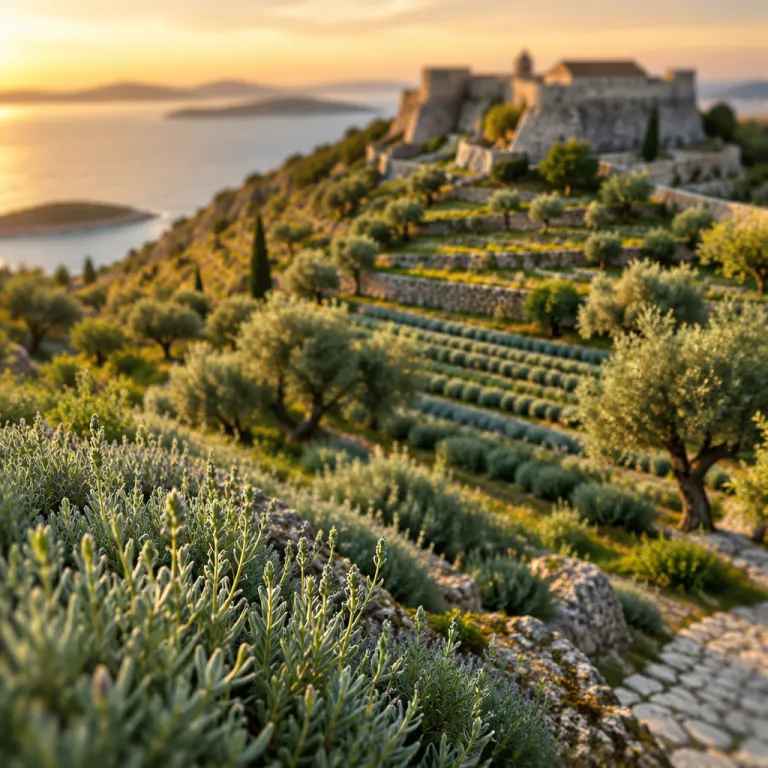
Arriving in Hvar town and planning your first day
Most luxury travellers reach Hvar Island by high speed catamaran from Split, gliding past Brač and Šolta before the harbour opens like a stage. This Split–Hvar route is the most convenient way to start exploring the many refined things to do in Hvar Island Croatia, especially if you plan to continue your journey to other Dalmatian islands. Your first day should balance time in Hvar town with a gentle orientation tour that helps you understand the island beyond its famous party reputation.
The old stone streets of Hvar town rise in narrow steps behind the waterfront, where polished yachts line up in front of Venetian façades. As you walk through Hvar, notice how every square, loggia, and church tells a story of maritime trade, noble families, and the strategic importance of this island in Croatia. These layers of history make even simple things like a morning coffee on the main square feel like part of a wider cultural tapestry.
Luxury hotels in Hvar town often arrange private transfers from Split, so you can step directly from the catamaran into a waiting car or boat. A private speedboat transfer from Split to Hvar usually takes around one hour, while the regular catamaran service takes about 65 to 90 minutes depending on the route. This seamless arrival sets the tone for the best things to come, from curated wine tasting experiences to tailored boat tour itineraries that avoid the busiest times of day. Ask your concierge for a personalised list of things Hvar can offer that match your pace, whether you prefer a quiet beach or a sophisticated evening party.
Heritage towns beyond the harbour scene: Stari Grad and Jelsa
Leaving Hvar town for a day trip reveals a different character, especially when you head towards Stari Grad on the northern side of the island. Stari Grad, literally the “old town”, is one of the oldest settlements in Croatia and feels worlds away from the waterfront party energy. Here, the pace of time slows, stone houses lean over narrow lanes, and the waterfront promenade invites long, reflective walks.
Many luxury travellers pair a visit to Stari Grad with an excursion to Jelsa, a smaller coastal town framed by pine forests and vineyards. These towns on Hvar Island are ideal bases for wine tasting and olive oil experiences, often hosted in centuries old family estates that still work the same fields today. If you appreciate heritage hotels, you may also enjoy reading about historic stays in Korčula’s old stone buildings, which share a similar Adriatic charm.
From Stari Grad, it is easy to arrange a private tour of the Stari Grad Plain, a UNESCO listed agricultural landscape laid out by Greek colonists. Walking or cycling through these fields, you pass dry stone walls, tiny chapels, and lavender fields that perfume the air in early summer. This quieter side of Hvar Island offers some of the best things for travellers who value authenticity, gentle scenery, and evenings that end with gelato or ice cream on a lantern lit promenade rather than a late night party.
Fortresses, viewpoints, and refined evenings in Hvar town
One of the essential things to do in Hvar Island Croatia is to walk up to the Spanish fortress above Hvar town. The climb from the main square takes around twenty minutes at a relaxed pace, and every turn reveals a wider view over the harbour, the Pakleni Islands, and the open Adriatic. Arrive in good time before sunset to secure a quiet corner of the walls and watch the light soften over the stone town.
The Spanish fortress, sometimes called Fortica, dates back to the sixteenth century and was built to protect Hvar from Ottoman attacks. Today, its role is more peaceful, offering one of the top panoramic viewpoints on any Croatian island and a refined alternative to the daytime beach bar scene. Many luxury hotels can arrange a private guided tour of the fortress, combining history with a glass of local wine as you look down over the tiled roofs of Hvar town.
Evenings in Hvar town can be as calm or as lively as you wish, and the best things often happen slightly away from the main party strip. If you have outgrown the busiest harbour venues, consider staying in one of the elevated properties described in this guide to staying in Hvar beyond the harbour scene. From there, you can stroll down for a late ice cream, enjoy a sophisticated cocktail at a waterfront lounge, and then retreat to a quiet terrace where the only sound is the sea.
Beaches, beach bars, and the Pakleni islands archipelago
For many guests, the most memorable things Hvar offers involve the sea, from hidden coves to stylish beach bars. The coastline of Hvar Island is rocky rather than sandy, which helps keep the water exceptionally clear and creates countless small inlets for swimming. Some of the best beaches Hvar can offer sit a short boat ride away, scattered across the Pakleni Islands opposite Hvar town.
Booking a private boat tour to the Pakleni Islands allows you to choose your own rhythm for the day. You might start with a quiet swim in a sheltered bay such as Mlini, continue to a refined beach bar on Palmižana for a long lunch, and then move to another beach for late afternoon sun. Many captains know exactly which Pakleni coves are calmest at any given time, so tell them whether you prefer a relaxed atmosphere or a more upbeat party soundtrack.
Closer to Hvar town, you will find several organised beach clubs where loungers, cabanas, and attentive service create a resort style experience. Popular options include Hula Hula Beach Bar for sunset drinks and Bonj ‘les bains’ for a more classic, white cabana setting. These venues are ideal for guests who want the best beaches with easy access to chilled drinks, light lunches, and sunset DJ sets that feel more curated than chaotic. If you plan your day carefully, you can swim in three or four different beaches Hvar is known for, enjoy ice cream on the promenade, and still be back at your luxury hotel in time to dress for dinner.
Blue Cave, wine tasting, and lavender fields: curated island experiences
Beyond Hvar Island itself, many travellers consider a boat tour to the Blue Cave on Biševo one of the top regional experiences. Luxury operators often combine the Blue Cave with stops in Vis town, hidden coves, and a late afternoon return past the Pakleni Islands, turning a simple excursion into a full day Adriatic journey. When planning things to do in Hvar Island Croatia, ask your concierge to secure early time slots, as the cave is busiest in the middle of the day.
Back on Hvar Island, wine tasting is a highlight that connects you directly with the island’s terroir and traditions. Vineyards near Jelsa, Vrboska, and Stari Grad produce respected Plavac Mali reds and crisp whites, and many estates offer guided tastings paired with local cheeses and olive oils. A private wine tasting tour can be tailored to your schedule, allowing you to visit Hvar vineyards in the cooler parts of the day and return to Hvar town by evening.
Inland, the famous lavender fields of Hvar bloom in early summer, painting the hillsides in soft purple and filling the air with fragrance. Visiting these fields is one of the best things for photographers and guests seeking a quieter, rural side of Croatia, especially when combined with a stop in Jelsa or a traditional konoba for lunch. Many luxury hotels can arrange a combined lavender, wine, and heritage tour, ensuring that your time on the island balances coastal glamour with authentic countryside charm.
From Hvar to other Adriatic gems: crafting a luxury island itinerary
Hvar Island fits naturally into a wider Dalmatian itinerary, especially for travellers who enjoy staying in luxury and premium hotels across several islands. Many guests arrive via Split, spend several days in Hvar town, then continue by boat towards Korčula, Vis, or Dubrovnik. Planning your route carefully allows you to experience different styles of town life, from the quieter streets of Stari Grad to the walled old town of Dubrovnik.
If you are considering extending your journey beyond Hvar, you may find inspiration in this guide to a refined coastal escape from Hvar to Dubrovnik. This type of itinerary lets you compare the atmosphere of Hvar town with other historic towns, noticing how each harbour, fortress, and promenade expresses a different chapter of Adriatic history. Along the way, you can repeat favourite experiences such as wine tasting, heritage tours, and evenings spent in elegant waterfront lounges.
When choosing hotels, consider how you like to spend each part of the day, from quiet mornings to late night party options. Some guests prefer to stay near a lively beach bar, while others choose hilltop properties with wide sea views and easy access to cultural sites like the Spanish fortress. Whatever your style, the most rewarding things to do in Hvar Island Croatia come from matching the character of each town and island to the way you personally like to travel.
Key statistics about Hvar and luxury travel in Croatia
- The island of Hvar receives more than 2,700 hours of sunshine per year, making it one of the sunniest destinations in Croatia according to the Croatian Meteorological and Hydrological Service (DHMZ), which supports its reputation for reliable beach and boating weather.
- Hvar town has a permanent population of roughly 4,000 residents based on recent Croatian census data, yet hosts hundreds of thousands of overnight stays each season, illustrating why early booking is essential for luxury and premium hotels with limited room inventories.
- The Stari Grad Plain covers about 6 square kilometres and is a UNESCO World Heritage agricultural landscape, offering one of the most extensive preserved examples of ancient Greek field division in the Mediterranean according to UNESCO’s official listing.
- The Pakleni Islands archipelago stretches for approximately 10 kilometres in front of Hvar town, providing dozens of accessible coves and beaches that can be reached within 15 to 30 minutes by private boat tour depending on sea conditions.
- Croatia welcomed more than 18 million international tourist arrivals in a recent year according to the Croatian National Tourist Board, with Dalmatian islands such as Hvar among the most requested destinations for high end travellers seeking sea views and heritage towns.
FAQ about Hvar island for luxury and premium travellers
How many days should I spend on Hvar island for a luxury stay ?
For a balanced luxury stay, plan at least four to five days on Hvar Island. This gives you enough time to enjoy Hvar town, visit Stari Grad and Jelsa, and take a full day boat tour to the Pakleni Islands or the Blue Cave. With a week, you can add wine tasting, lavender fields, and more relaxed beach days without feeling rushed.
Is Hvar only suitable for party focused travellers ?
Hvar town certainly has a lively party scene in peak season, especially around some waterfront bars and clubs. However, many areas of the island, including Stari Grad, Jelsa, and inland villages, offer a much quieter atmosphere. Luxury hotels often sit slightly away from the busiest streets, allowing guests to enjoy calm surroundings while still having easy access to evening entertainment.
What is the best way to travel from Split to Hvar for premium guests ?
The most comfortable option from Split to Hvar for premium guests is a private speedboat transfer, which usually takes around one hour depending on sea conditions. High speed catamarans operated by regular ferry companies are also efficient and can be combined with a private car or boat transfer on arrival in Hvar town. Many luxury hotels will coordinate these services so your journey feels seamless from the mainland to the island.
Are there sandy beaches on Hvar island or mainly rocky coves ?
Most beaches on Hvar Island are pebble or rocky, which helps keep the water very clear and ideal for swimming. There are a few small sandy or fine pebble spots, especially in bays near Jelsa and on some Pakleni Islands, but they are limited in size. Luxury travellers often focus less on sand and more on the overall setting, service level, and ease of access provided by curated beach clubs and private coves.
When is the best time to visit Hvar for fewer crowds and comfortable weather ?
The best time to visit Hvar with fewer crowds and pleasant temperatures is usually late spring and early autumn. During these periods, the sea is warm enough for swimming, but the island is quieter than in the peak summer weeks. This timing suits luxury guests who value attentive service, easier restaurant reservations, and a more relaxed atmosphere in Hvar town and surrounding villages.