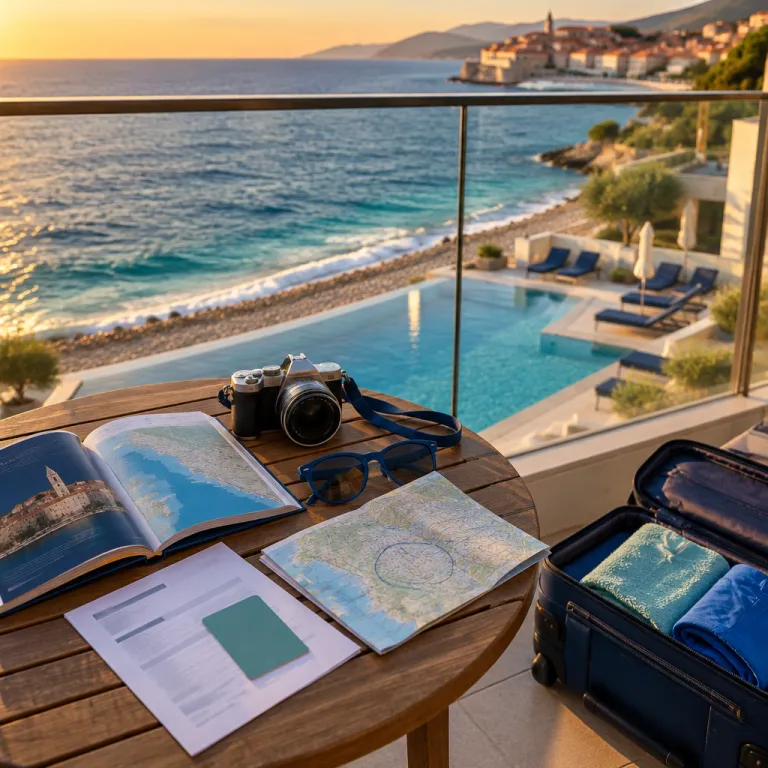
Training your eye: what Croatian hotel photos really say
Learning how to choose luxury hotel Croatia starts with the photos. When you scroll through hotels in Croatia, focus less on the sunset hero shot and more on the unglamorous details that quietly reveal how the hotel treats its guests. A truly luxury hotel in Croatia will show standard luxury rooms, corridors, the breakfast room and the indoor pool with the same care as the rooftop bar.
Look closely at every hotel photo that includes a bed, because luxury rooms should show generous bedside tables, proper reading lights and visible power sockets rather than tangled extension cables. When a property in Dubrovnik Croatia or Split hides its smallest category, you can safely assume that this is where compromises on space and noise begin, especially in a busy town center. For coastal escapes on an island such as Hvar or Brač, check whether the sea view is framed by a car park or a garden, because many hotels Croatia use tight crops to disguise awkward surroundings.
Pay attention to bathrooms, since a genuine luxury hotel will usually feature walk in showers with even tiling and solid glass rather than flimsy curtains. As a simple comparison, if one resort shows a bright, evenly lit shower with a single glass pane and level floor, while another only offers close ups of a shower curtain and cropped tiles, assume the first has invested more in guest comfort. If you are considering a stay at Villa Dubrovnik, Maslina Resort or Grand Park in Rovinj, compare how consistently they photograph their entry level rooms versus suites, as this consistency is a strong signal of overall resort honesty. The same logic applies to Hotel Dubrovnik, Hotel Capital or Hotel Zagreb in the capital city of Zagreb, where a superb photo of a lobby means little if the standard rooms look tired or the only images of the indoor pool are strangely dark.
Location literacy: decoding Dubrovnik, Split, Hvar and beyond
Understanding location language is central to how to choose luxury hotel Croatia for a coastal escape. When a hotel in Dubrovnik claims an Old Town address, zoom out on the map and check whether it actually sits outside the walls, because a fifteen minute uphill walk in summer heat feels very different from a two minute stroll. The same applies in Split, where many hotels describe themselves as central while actually being closer to a shopping mall than to Diocletian’s Palace.
For island stays, read the small print on transfers before you complete your booking, since a remote luxury resort can quietly add both cost and time to your arrival. On Hvar, for example, Maslina Resort sits in a tranquil bay rather than in Hvar Town, which is superb if you want privacy but less ideal if you plan late nights in bars. Typical boat transfers from Split to Hvar Town take around one to two hours depending on the service, so an extra twenty minute taxi or boat ride to a secluded bay can change how spontaneous your evenings feel. In Rovinj, Grand Park and Hotel Rovinj overlook the marina and old town, while some other hotels Croatia that mention Rovinj in their name are actually several kilometres inland near a park or a highway.
Coastal language also matters when you compare hotels in Dubrovnik Croatia that use phrases like sea view, seafront or beachfront, because each term signals a different relationship to the water. A seafront luxury hotel usually sits directly on the promenade, while a sea view room might simply face the water from behind another building or car park. If you are planning a refined coastal escape in southern Croatia, use a specialist guide to southern Croatia beaches for a refined coastal escape to cross check how honest each resort is about its setting.
Reading reviews and ratings like an insider
Online reviews can either clarify how to choose luxury hotel Croatia or drown you in noise. Start by filtering for guests who stayed in the same room type and season as you plan, because a winter corporate stay at a park hotel in Zagreb tells a different story from a peak summer holiday in Dubrovnik. Pay special attention to service consistency, since repeated mentions of slow responses or chaotic breakfast at a hotel usually matter more than a single angry review about a lost suitcase.
When you evaluate luxury hotels such as Villa Dubrovnik, Maslina Resort, Grand Park or Hotel Lemongarden, look for detailed praise rather than vague adjectives, because specific compliments about staff names, restaurant dishes or spa treatments signal genuine experiences. A useful pattern might be several guests noting that “the team remembered our coffee order every morning” or that “turn down service was never missed, even when we returned late.” If several guests mention that the indoor pool is crowded or that luxury rooms facing the town are noisy, treat this as reliable pattern recognition rather than isolated grumbling. In Zagreb, compare feedback on Hotel Capital, Hotel Zagreb and any hotel premier style property to see which one maintains service standards during full occupancy, not just on quiet weekdays.
Be wary of rankings that look like clickbait or that repeat the same sponsored language across multiple hotels Croatia, since these often prioritise marketing over honest assessment. Independent platforms that clearly label sponsored content are safer than anonymous lists that call every hotel superb without context. When planning coastal hops or even sailing in style from Dubrovnik to Bari by ferry for refined coastal escapes, use reviews to understand how each resort handles early departures, packed breakfasts and late check outs rather than just focusing on pool photos.
Independents, brands and the quiet signals of real luxury
Not every property that uses the word luxury in Croatia delivers the same experience. Large international hotels in Dubrovnik, Split or Zagreb often guarantee predictable bedding, strong Wi Fi and a certain restaurant standard, but they can feel interchangeable from one city to the next. Independent coastal hotels Croatia, by contrast, may offer more character, but you need to read their websites carefully to separate thoughtful individuality from simple lack of investment.
When you assess a resort such as Maslina Resort on Hvar or Grand Park in Rovinj, look for a clear narrative about place, materials and partnerships with local producers, because this shows that the hotel is rooted in its landscape rather than just importing a template. Villa Dubrovnik, Hotel Lemongarden on Brač and some refined properties in Split often highlight collaborations with nearby wineries, olive oil estates or a national park, which suggests a deeper engagement with Croatia beyond the lobby. In Zagreb, Hotel Capital and Hotel Zagreb demonstrate their sense of city by referencing local architecture and art, while a generic hotel premier style tower might rely only on room size and an indoor pool to justify its rates.
True luxury hotels rarely shout about discounts, so treat aggressive hotel offers with caution unless they are clearly tied to off season dates or longer stays. When a coastal hotel in Dubrovnik Croatia or Rovinj leads with endless banners about last minute booking deals, ask yourself what problem they are trying to solve. If you want a quieter, more grounded experience inland, consider basing yourself near Istrian hill towns during truffle season and use a trusted guide to where to base yourself in inland Istria to pair a characterful hotel with superb local food.
Asking the right questions before you click book
The final step in how to choose luxury hotel Croatia happens before you ever enter your card details. A short, precise email to the reservations team will reveal more about a hotel than another hour of scrolling through photos. Pay attention not only to what they answer, but how quickly and personally they respond, because this tone usually mirrors how they will treat you as guests on arrival.
Ask for the exact size and layout of the luxury rooms you are considering, including whether the bathroom has a door, how much wardrobe space there is and whether any rooms face a car park or service yard. As a benchmark, many comfortable double rooms in Croatian city hotels start around 20 to 24 square metres, while true suites often begin at 35 square metres or more, so use these figures to interpret the descriptions you receive. Clarify whether the indoor pool is adults only at certain times, whether spa access is included and whether the restaurant can accommodate late arrivals from Split, Dubrovnik or Zagreb flights. If you are booking coastal properties such as Villa Dubrovnik, Grand Park, Hotel Rovinj or Hotel Lemongarden, request precise walking times to the old town, nearest beach and any nearby national park or marina.
For city stays at Hotel Dubrovnik, Hotel Capital, Hotel Zagreb or a central park hotel, ask about noise insulation, weekend events and whether any hotel offers include early check in or late check out for your dates. On islands like Hvar or in towns such as Rovinj, confirm the last ferry times, private transfer options and whether the resort can arrange luggage handling from the port to the hotel. A property that replies with clear paragraphs, transparent pricing and tailored suggestions has already shown you that its service culture matches its polished images.
FAQ
How do I choose between Dubrovnik, Split and Zagreb for a first stay ?
Dubrovnik suits travellers who prioritise dramatic coastal scenery, city walls and proximity to islands, while Split works better if you want nightlife, ferries to Hvar and more local energy. Zagreb is ideal for guests who prefer museums, cafés and day trips to places like Plitvice Lakes National Park. For a longer trip, combine Zagreb with either Dubrovnik Croatia or Split to balance city and sea.
What makes a Croatian hotel genuinely luxurious rather than just expensive ?
Genuine luxury hotels in Croatia offer consistent service, thoughtful design and a strong sense of place rather than just marble and high prices. Look for specific details in reviews about staff, sleep quality and restaurant experiences, not just mentions of a superb view or large pool. Properties such as Villa Dubrovnik, Maslina Resort, Grand Park or Hotel Lemongarden often stand out because they invest in both hardware and hospitality.
How can I tell if a sea view room is worth the premium ?
Check photos taken from inside the actual room category, not just from the hotel terrace, and look for any mention of partial views or obstructions. In towns like Rovinj, Split or Dubrovnik, a higher floor facing the water usually justifies the supplement, especially if you plan to spend time on the balcony. If the view seems angled over a car park or busy road, consider a cheaper category and invest the difference in better dining or experiences.
Is it better to stay in a resort or in a town centre hotel ?
A resort suits travellers who want privacy, on site facilities and easy access to the sea, while a town centre hotel works better for guests who value restaurants, nightlife and spontaneous wandering. On islands such as Hvar or in Rovinj, you can split your stay between a quiet resort and a central hotel to experience both sides of Croatia. In cities like Zagreb, a central property such as Hotel Dubrovnik or Hotel Capital usually offers the best balance of convenience and atmosphere.
How far in advance should I book a luxury hotel in Croatia ?
For peak summer dates in Dubrovnik, Hvar, Split or Rovinj, aim to secure your booking several months ahead, especially for smaller luxury hotels with limited inventory. Shoulder seasons often offer more flexible hotel offers and better value, particularly in Zagreb or inland Istria. If your dates are fixed and you want specific luxury rooms, contact the hotel directly to check availability before relying on third party sites.