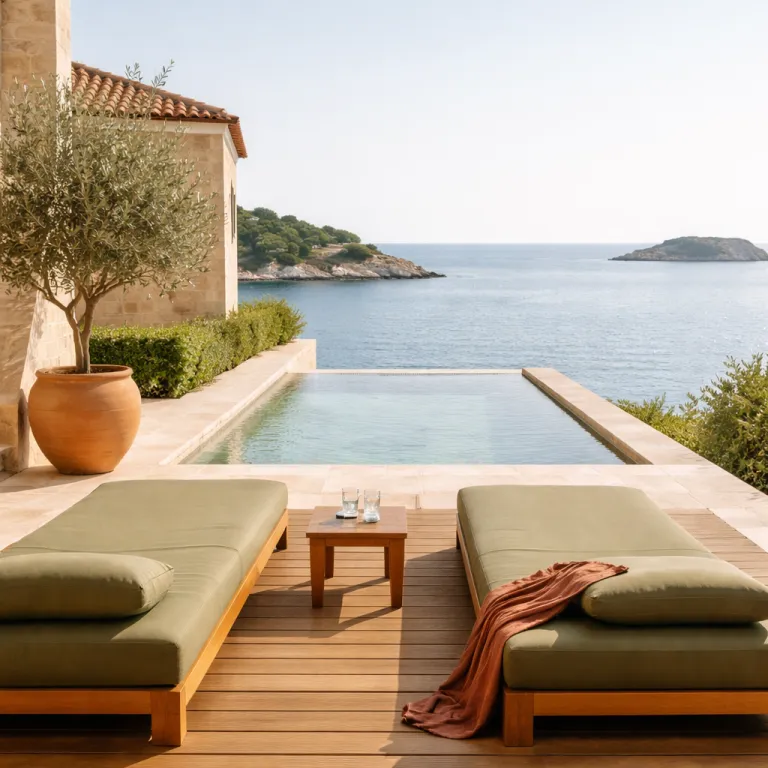
Istria and Kvarner: design led coastal escapes for families
Luxury hotels in Croatia start to feel different as you cross into Istria. This peninsula leans into design led escapes, where a five star hotel stay is as much about pine scented paths and vineyard views as it is about marble lobbies and oversized rooms. For a premium family holiday, this region quietly outperforms many better known Mediterranean coastal destinations.
Rovinj is the clearest example of how luxury hotels Croatia can balance style and substance. Grand Park Hotel Rovinj, a member of Leading Hotels of the World, sits slightly elevated above the sea and faces the old town, so every room feels connected to the harbour and the islands. The property is located beside a waterfront promenade, and a ten minute walk brings you to the heart of Rovinj town for gelato, galleries and a sunset over the Adriatic Sea.
Families who prefer a larger resort environment should watch Pical Resort, Valamar Collection in Poreč, which is the largest single hotel investment in Istria. This new generation of Croatian hotels and resorts is built around modern architecture, strong integration with local culture and serious spa hotel credentials, which matters when you want a proper spa for parents and a pool complex for children. An investment of around 200 million euros, reported by regional meetings industry sources in 2023, signals how seriously Croatia now takes the upper tier hotel segment.
Further east in Kvarner Bay, Hilton Rijeka Costabella Beach Resort & Spa offers a different angle on luxury hotels Croatia, with a mix of classic hotel rooms and serviced apartments that work well for multi generational trips. The property is located directly on the Adriatic Sea, so a two minute walk from most rooms brings you to the beach, while the spa hotel wing gives you a full Croatian spa circuit with saunas and sea view relaxation areas. This stretch of coast is also a practical base if you want to book day trips to the islands or to a national park such as Plitvice Lakes.
Not every hotel in this region earns a place on a selective list of luxury hotels in Croatia. Some older five star hotel properties trade on their sea view alone, with dated rooms and a restaurant that feels like a conference venue rather than a Croatian dining room. When you book, look for hotels that mention contemporary amenities, culinary excellence and integration with local surroundings, because these signals usually align with the new wave of Croatian luxury.
Central Dalmatia: Split, islands and the new design wave
Central Dalmatia is where luxury hotels Croatia meet real life Croatian town energy. Split, Hvar and the nearby islands give you a mix of Roman history, island coves and a restaurant scene that now includes Michelin starred kitchens inside serious hotels. For a premium family stay, the key is choosing a property that balances access to the old town with enough space and calm for children.
In Split, Hotel Ambasador stands on the waterfront near the Riva promenade, offering a contemporary five star hotel option with generous rooms and a short walk into Diocletian’s Palace. This property is located close enough that a five minute walk brings you to the old town, yet far enough that evenings stay relatively quiet for families. Croatia’s coastal luxury is entering a new era here, with modern architecture and authentic design replacing the anonymous resort style hotels of the past.
The 2026 wave matters in Split as well, with Hotel Venturo joining the Design Hotels portfolio and bringing Croatia’s first fully design focused property to the city. For readers comparing luxury hotels Croatia, this is the opening to watch if you care about architecture, local art and a restaurant that feels plugged into the city rather than the cruise ship schedule. You can follow our detailed take in our dedicated piece on Split’s new design forward hotel scene, which explains why this property is likely to become a reference point for urban stays.
From Split, many families look to Hvar for a softer island stay, and this is where names like Maslina Resort, Adriana Hvar and Palace Elisabeth come into play. Maslina Resort, near Stari Grad, positions itself as a mindful luxury hotel, with low rise architecture, a serious spa and rooms that open towards the sea and pine forest rather than the party strip. In Hvar town itself, Adriana Hvar and Palace Elisabeth offer a more classic grand hotel experience, with Hvar spa facilities, rooftop pools and a front row position on the harbour.
When you compare these Hvar hotels, think about how you want to use the island. Palace Elisabeth suits travellers who want to walk straight into town for dinner, with most rooms a two minute walk from the main square and the harbour. Maslina Resort, by contrast, works better for families who value space, a quieter bay and the ability to book a longer stay without feeling trapped in a party focused destination.
South Dalmatia: Dubrovnik and the art of the view
South Dalmatia is where the phrase luxury hotels Croatia usually leads travellers first, and Dubrovnik Croatia still dominates the conversation. The city’s stone walls, island speckled horizon and cinematic light create a natural stage for high end hotels. Yet not every five star address here is worth the premium, especially for families who need more than a balcony and a crowded pool.
On the eastern side of Dubrovnik town, Hotel Excelsior remains one of the most reliable luxury hotels in Croatia, with a direct sea access platform, a refined spa and rooms that frame the old walls across the bay. Excelsior Dubrovnik, often simply called Hotel Excelsior, offers a rare combination of heritage and contemporary comfort, and a ten minute walk along the coast brings you to the Ploče Gate. For families, the indoor pool and sheltered sea access make this property a strong choice outside peak summer as well.
Villa Dubrovnik, perched further along the coast, feels more like a private villa than a classic city hotel, with terraced rooms stepping down towards the Adriatic Sea. This property is located in a quieter residential area, so you rely on the hotel’s boat shuttle or a fifteen minute walk for access to the old town, but the payoff is space, privacy and a calm sea facing spa. For couples or families with older children, Villa Dubrovnik can be one of the most rewarding hotels in Dubrovnik Croatia.
Hilton Imperial Dubrovnik, on the western side of the walls, offers a different take on luxury hotels Croatia, with a grand façade, high ceilinged rooms and a location that is literally a two minute walk from the Pile Gate. This hotel works well for families who want to dip in and out of the old town without committing to a full resort stay, and the indoor pool and spa hotel facilities provide a welcome retreat on hot afternoons. Croatia’s membership in global brands like Hilton and Leading Hotels gives you loyalty benefits, but the real value here is the balance between heritage architecture and functional family friendly rooms.
If you prefer a smaller scale property, our guide to intimate hotels in Dubrovnik explains which addresses deliver character without sacrificing comfort. Some Dubrovnik resort hotels still coast on their view alone, with tired interiors and a restaurant that feels like a banquet hall, so be selective when you book. Croatia’s coastal luxury is evolving fast, and the best properties now pair sea views with Croatian led kitchens, thoughtful spa design and staff who can arrange a private boat within a minute when the weather turns perfect.
Island character: Hvar, Korčula and the quiet luxury of space
Once you move beyond Dubrovnik and Split, luxury hotels Croatia start to feel more intimate and more rooted in local stories. Hvar and Korčula are the two islands where this shift is most visible, especially for travellers who care about food, wine and a slower rhythm. For a premium family stay, these islands offer room to breathe and a sense of place that big city hotels cannot match.
On Hvar, the trio of Maslina Resort, Adriana Hvar and Palace Elisabeth covers most luxury needs, from spa focused retreats to harbour front glamour. Maslina Resort, near Stari Grad, spreads across a gentle hillside above the sea, with suites and villas that work well for families who want separate bedrooms and private pools. The resort’s Hvar spa is one of the most serious on the island, with treatments built around Croatian botanicals and a design that keeps you connected to the landscape.
In Hvar town, Adriana Hvar offers a contemporary hotel experience with a rooftop pool, a glass fronted spa and rooms that look over the harbour and Pakleni Islands. Palace Elisabeth, by contrast, leans into heritage, with high ceilings, ornate details and a restaurant terrace that feels like the town’s living room. Both hotels are a short minute walk from the main square, so you can step out for a gelato or a late dinner and be back in your room within five minutes.
Korčula brings a different flavour to luxury hotels Croatia, with properties like Lešić Dimitri Palace anchoring the town’s small but serious high end scene. Lešić Dimitri, sometimes written as Lesic Dimitri, occupies a cluster of restored stone houses along the old town walls, with suites that feel more like private apartments than standard hotel rooms. The restaurant here is one of the reasons Croatia now counts 13 Michelin starred restaurants, according to the 2024 Michelin Guide, and it is a strong argument for planning at least one stay on Korčula rather than treating it as a day trip.
Families who prefer more space can look to villas and smaller hotels around Korčula town, using the old town and Lešić Dimitri Palace as their culinary and cultural anchor. A ten minute walk from most coastal properties brings you to a swimming platform or a small beach, and the sea here tends to be calmer than around Hvar, which suits younger children well. When you book island stays, remember that off peak seasons outside May–June and September offer 20–40% lower hotel rates, which can make a longer stay in a five star hotel more realistic.
Istrian hinterland and agriturismo style luxury
Luxury hotels Croatia are not only about the sea, and the Istrian hinterland proves it with stone villages, truffle rich forests and olive groves that run to the horizon. For families who have already done a week by the Adriatic Sea, this inland region offers a quieter second chapter. The rhythm shifts from beach clubs to vineyards, and the best properties feel like elevated farmhouses rather than urban hotels.
San Canzian Village & Hotel, near Buje, is the reference point here, even if it sits slightly outside the classic coastal circuit. This property is located among vineyards and olive trees, with rooms and suites spread across restored stone buildings that keep the original character while adding contemporary comfort. The restaurant leans heavily on local produce, and a short walk through the grounds at sunset reminds you why Croatia’s inland destinations deserve as much attention as its islands.
Families who split their stay between Rovinj and the Istrian countryside often comment on how well the two halves complement each other. A few nights at Grand Park Hotel Rovinj or another sea facing hotel give you the Adriatic fix, while a later stay at San Canzian or similar properties brings cooler evenings, quieter pools and a different kind of Croatian hospitality. This pattern works particularly well if you want to book a longer trip without spending every minute in a busy town.
Food is the main reason many travellers head inland, and it is here that Croatia’s hotel restaurants often outperform standalone venues. Our guide to what Croatian konobas get right explains how traditional taverns shape the country’s culinary identity, and the best hotels now bring that spirit into their own dining rooms. When you evaluate luxury hotels Croatia in this region, pay close attention to the restaurant, because a serious kitchen can turn a good property into a destination in its own right.
Not every inland hotel reaches this level, and some star hotel labels hide fairly generic experiences. Look for signs of integration with local culture, such as on site olive oil production, partnerships with nearby wineries or guided walks through surrounding villages. Croatia’s most interesting luxury properties now act as small cultural hubs, not just places to sleep between drives to the coast.
How to book luxury hotels in Croatia wisely for 2026
By 2026, Croatia’s coast is entering a new era of luxury, with more than 420 high end hotels spread across the country. For travellers searching luxury hotels Croatia, this abundance can feel overwhelming, especially when every property claims sea views, a spa and a fine dining restaurant. A selective approach, grounded in geography and real family needs, makes the booking process far easier.
Start by deciding whether your primary destination is Dubrovnik, Split, Hvar, Rovinj or an island like Korčula, because each town shapes your stay differently. Dubrovnik Croatia offers drama and density, with hotels like Hotel Excelsior, Villa Dubrovnik and Hilton Imperial Dubrovnik placing you within a short walk of the walls, while Split and Hvar give you more flexibility for island hopping. Rovinj and the Istrian coast, supported by properties such as Grand Park Hotel Rovinj and the upcoming Pical Resort, suit families who want a softer, more walkable town with easy sea access.
When you compare hotels, look beyond the star hotel rating and focus on room size, connecting options and how the property is located relative to the old town or the beach. A ten minute walk might sound minor, but in the heat with children it can define how often you actually use the town. For spa hotel fans, check whether the Croatian spa facilities include an indoor pool, because this matters in shoulder seasons when the sea is cooler.
Brand affiliations help decode quality, but they are not everything. Leading Hotels of the World membership, for example, signals a certain level of service and individuality, which you see at Grand Park Hotel Rovinj and other Croatian members, while global chains like Hilton bring loyalty benefits and predictable standards in Dubrovnik and Rijeka. Preferred Hotels & Resorts and Design Hotels, as with Hotel Venturo in Split, often indicate a stronger design narrative and a restaurant that aims higher than the average hotel dining room.
Timing your booking is just as important as choosing the right property. Off peak seasons outside May–June and September offer 20–40% lower hotel rates, and this price drop can make a longer stay in a top tier hotel or resort feasible. As one industry summary puts it, “Croatia's flagship 5-star hotels concentrate in Dubrovnik, Split, and Zagreb.” and “Off-peak seasons outside May–June and September offer 20–40% lower hotel rates.”, which aligns with what we see on the ground when we track rates for our own itineraries.
| Area & example hotel | Typical room types | Family suitability | Beach / sea access | Indicative price band* |
|---|---|---|---|---|
| Rovinj – Grand Park Hotel Rovinj | Rooms, suites | Strong: connecting options, pools | Promenade & nearby beaches | Upper luxury |
| Poreč – Pical Resort (Valamar Collection) | Rooms, family suites | Excellent: resort style facilities | Direct seaside setting | Upper mid to luxury |
| Split – Hotel Ambasador | Spacious rooms, some suites | Good for older children | Urban waterfront, no classic beach | Upper mid |
| Hvar – Maslina Resort | Suites, villas | High: multi bedroom layouts | Quiet bay, platforms and beach | Top tier |
| Dubrovnik – Hotel Excelsior | Rooms, suites | Good: indoor pool, sheltered sea | Direct sea access platform | Top tier |
| Korčula – Lešić Dimitri Palace | Apartment style suites | Best for couples / older families | Short walk to swimming spots | Upper luxury |
*Price bands are indicative only and vary by season and room category.
Openings to watch and what we do not recommend
The story of luxury hotels Croatia in 2026 is not only about established names, but also about a new generation of properties reshaping expectations. Pical Resort in Poreč, backed by Valamar Collection, stands out as the largest single hotel investment in Istria and a signal that the region is serious about high end family friendly resorts. At the same time, existing properties like Grand Park Hotel Rovinj, Hilton Imperial Dubrovnik and Hilton Rijeka Costabella Beach Resort & Spa continue to refine their offer with better spas, upgraded rooms and stronger culinary programs.
Looking slightly ahead, openings such as Hotel Katarina on Pelješac and the full launch of Pical Resort will expand the map of luxury hotels in Croatia beyond the classic Dubrovnik and Split axis. These new resorts promise modern architecture, authentic design and integration with local culture, which is exactly where Croatian luxury is heading. For travellers planning a stay in 2026 with an eye to returning later, it can be worth visiting these destinations now to understand the landscape before rates climb.
Not every highly marketed property makes our selective list, and that is deliberate. Some coastal hotels rely on a single asset, usually a sea view or proximity to a famous town, while offering cramped rooms, a tired spa and a restaurant that feels like an afterthought. Others trade on the word luxury without investing in service, which becomes obvious the minute you ask for a simple adjustment to your stay or try to book a last minute boat trip.
Our filter for luxury hotels Croatia is simple but strict. A property must offer rooms that work for real travellers, not just for photo shoots, a restaurant that can stand on its own in a competitive Croatian dining scene, and a location that makes sense for how families actually move through a town or along the sea. When those elements align, whether in Dubrovnik, Hvar, Rovinj or the Istrian countryside, the result is a stay that justifies the rate and earns a place on a list like this.
As Croatia’s coast continues to evolve, the most interesting properties will be those that combine character, atmosphere and quality of service rather than chasing trends. Design led escapes, authentic luxury experiences and integration with local surroundings are no longer marketing phrases, but practical criteria you can use when you book. For discerning families, this is very good news, because it means more hotels that genuinely understand what a modern Adriatic stay should feel like.
Key figures on luxury hotels in Croatia
- Croatia counts around 420 luxury level hotels across the country, with a significant concentration along the Adriatic coast, according to industry data from IMPT Hotels published in 2023.
- The Pical Resort project in Poreč represents an investment of approximately 200 million euros, making it the largest single hotel investment in Istria as reported by regional meetings industry media in late 2023.
- New luxury openings such as Pical Resort, Hotel Venturo in Split and ongoing upgrades at Grand Park Hotel Rovinj and Hilton properties reflect a broader push to enhance Croatia’s tourism appeal and attract more discerning travellers year round.
- Croatia now has 13 Michelin starred restaurants, many of them embedded within or closely linked to high end hotels, according to the 2024 Michelin Guide, which significantly raises the culinary expectations for luxury properties.
- Off peak seasons outside May–June and September typically offer 20–40% lower hotel rates on the Adriatic coast, a pattern confirmed by national tourism board statistics and hotel pricing data, which can make extended stays in five star hotels more accessible for families.
FAQ about luxury hotels in Croatia
What is the most luxurious hotel in Croatia ?
Croatia's flagship 5-star hotels concentrate in Dubrovnik, Split, and Zagreb. Within this group, properties such as Hotel Excelsior and Villa Dubrovnik in Dubrovnik, Grand Park Hotel Rovinj in Istria and Maslina Resort on Hvar are often cited as top tier options, each excelling in different aspects from views to spa facilities and culinary programs.
When is the cheapest time to stay in Croatian luxury hotels ?
Off peak seasons outside May–June and September offer 20–40% lower hotel rates compared with the busiest summer weeks. For many families, late April, early May and October provide a good balance of milder weather, fewer crowds and more accessible prices at leading hotels and resorts along the Adriatic Sea.
How far in advance should I book luxury hotels in Dubrovnik and Hvar ?
For peak summer stays in Dubrovnik Croatia and on Hvar, it is wise to book at least six to nine months ahead, especially for sea facing rooms and family suites. Shoulder season stays can sometimes be secured closer to the date, but the most sought after properties such as Hotel Excelsior, Villa Dubrovnik, Maslina Resort and Palace Elisabeth still benefit from early booking.
Are Croatian luxury hotels suitable for families with children ?
Many of the best luxury hotels in Croatia are explicitly family friendly, offering connecting rooms, kids’ pools and flexible restaurant options. Resorts such as Pical Resort in Istria, Hilton Rijeka Costabella Beach Resort & Spa and Maslina Resort on Hvar are particularly well suited to families, while city hotels in Dubrovnik and Split require more careful room selection.
Do luxury hotels in Croatia offer good access to national parks ?
Several coastal destinations work well as bases for visiting a national park, especially if you are willing to book organised day trips. From Split and Šibenik, you can reach Krka National Park relatively easily, while from Zadar and inland Istria you can plan visits to Paklenica or Plitvice Lakes, returning in the evening to a comfortable spa hotel by the sea.