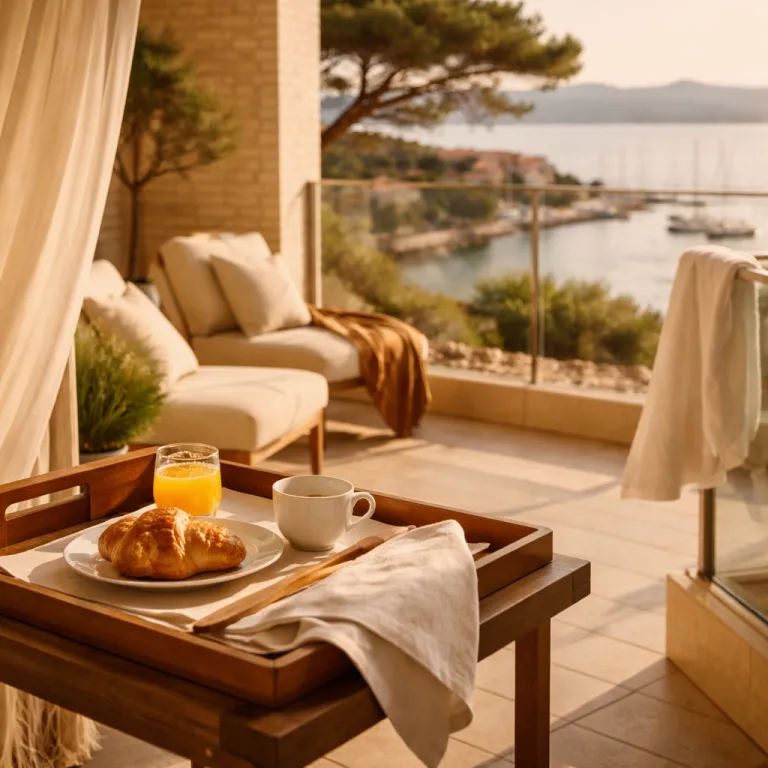
Top hotels in the Kvarner region: where to stay in Opatija and beyond
The Kvarner region at a glance: is it the right choice for you?
Stone promenades, dark green hills and a sea that shifts from steel blue to turquoise within minutes. The Kvarner region is not the loudest part of the Adriatic coast, but it is one of the most nuanced. If you are choosing between Croatia’s hotspots, this is where you come for a gentler rhythm, a sense of tradition and a more discreet kind of luxury, with elegant seafront hotels rather than big resorts.
Stretching between the Opatija Riviera, the islands of Krk and Cres and the forested slopes of Gorski kotar, Kvarner offers a rare mix of coastal elegance and outdoor wilderness. You can wake up to a calm sea view, spend the afternoon under beech trees at around 1,000 metres and be back at the hotel terrace before sunset. That contrast is the region’s real signature and shapes how you choose between grand Opatija hotels, quieter island retreats and simple mountain lodges.
For travellers deciding where to book, Kvarner suits those who value atmosphere over spectacle. The air feels cooler than in Dalmatia in high summer, the beaches are often smaller but more intimate, and the hotels lean toward classic comfort with strong wellness facilities rather than flashy design statements. If you want a Mediterranean stay that still feels rooted in local life, this region is a strong contender, especially if you like combining city-style promenades with boutique hotel calm.
Opatija Riviera: grand hotels, promenades and Adriatic poise
Palms along the Lungomare promenade, villas from the Habsburg era and a line of hotels facing the bay. Opatija is the historic heart of the Kvarner region and still its most polished base. The town runs along the coast rather than clustering around a single square, so many properties sit almost directly above the sea, separated only by the promenade and small bathing terraces, which makes it easy to compare Opatija hotels by how close they are to the water.
Staying here means leaning into a certain ritual. Morning coffee on a shaded balcony, a slow walk past the Maiden with the Seagull statue, a swim from one of the rocky platforms instead of a wide sandy beach. The atmosphere is more Central European spa town than typical Mediterranean resort, with manicured parks and a clear sense of tradition in the architecture and service style, especially in the older seafront hotels that still keep a grand-hotel rhythm.
Hotels in Opatija tend to emphasise wellness and a pleasant atmosphere as much as the view. Expect indoor pools, classic spa circuits and treatments that draw on the sea and local herbs. This part of the Adriatic coast works particularly well for couples and older families who enjoy dressing up a little for dinner, attending cultural events in the evening and having easy access to day trips along the Opatija Riviera without needing to drive long distances. If you prefer smaller, design-led Kvarner boutique hotels, look at neighbouring towns such as Ičići, Ika or Lovran, where properties are often more intimate.
Staying by the sea: beaches, promenades and coastal character
Concrete bathing platforms, small pebbled coves, a few carefully arranged loungers right at the water’s edge. The Kvarner coast is not about endless sandy beaches, and that is precisely its charm. You are never far from the sea, even when the shoreline is narrow, and the water quality along this stretch of the Adriatic is generally excellent, which is one reason many seafront hotels highlight direct access to the bay in their descriptions.
In Opatija itself, the Lungomare runs for roughly 10 km, linking different neighbourhoods and allowing you to walk from one hotel cluster to another without ever leaving the sea. Further along the region, on the islands and smaller coastal towns, you will find more classic pebble beaches framed by pine trees, with a softer, more obviously Mediterranean feel. The choice is between urban elegance with easy access to cafés, or quieter coves where you mostly hear waves and cicadas, often reached from smaller Kvarner beach hotels and family-run guesthouses.
For travellers who prioritise swimming and sunbathing, it is worth checking how directly a property connects to the water. Some hotels sit right above the promenade with private or semi-private access to the sea, while others are set slightly back, trading immediate beach access for larger gardens or a more secluded pool area. Decide whether you want to step from lift to sea in minutes, or whether a short stroll in the sea air is part of the pleasure, and read room descriptions carefully to see whether “sea side” really means a full sea view or just a partial glimpse of the Adriatic.
Wellness, air and the appeal of Gorski kotar
Salt on your skin in the morning, forest air in the afternoon. One of Kvarner’s quiet luxuries is how easily you can combine coastal wellness with the cooler climate of Gorski kotar, the mountainous hinterland that rises just behind the bay. Within about an hour’s drive from Opatija, the landscape shifts to dense forest, hiking trails and fresh, resin-scented air, making it simple to pair a spa hotel by the sea with a short stay in a mountain inn.
Many higher-end hotels along the Opatija Riviera build their identity around wellness. Indoor pools, saunas and treatment rooms are standard, with some properties offering full Kvarner wellness programmes that pair sea-based therapies with outdoor activities. The focus is less on flashy spa design and more on steady, restorative routines that suit longer stays and off-season visits, when the promenades are quieter and hotel spa facilities become the main attraction.
If you are sensitive to heat or simply enjoy active holidays, consider splitting your time between the coast and Gorski kotar. The region’s forested plateau is ideal for hiking, cycling and simple outdoor pleasures like long lunches in mountain huts. The trade-off is clear: the sea is further away, but the air feels lighter, the nights cooler and the overall pace even slower. For many, that balance defines the best Kvarner offers, especially when you can end a day in the mountains back in an Opatija hotel lounge with a view of the bay.
Who the Kvarner region suits best
Couples who enjoy quiet elegance, families who prefer calm seas to big waves and travellers who like to explore rather than stay by the pool all day. These are the guests who tend to feel most at home in the Kvarner region. The coastline is generally sheltered, which makes swimming with children easier, and the towns are compact enough to navigate on foot, with many hotels within a short walk of the waterfront.
Opatija and its neighbours work particularly well for those who appreciate history and a sense of continuity. The architecture, the promenades and even the way locals use the sea throughout the year all speak to a long tradition of hospitality. If you enjoy attending concerts, exhibitions or seasonal events rather than nightlife, this area aligns with that rhythm, and you will find that many Opatija hotels build their calendars around cultural programmes rather than late-night bars.
Travellers seeking a more rugged, outdoor-focused stay will find their place either on the larger islands or in Gorski kotar. Here, the emphasis shifts from formal hotel service to time spent hiking, cycling or simply driving scenic roads above the Adriatic. In short: Kvarner is not the obvious choice for party-focused groups, but it is an excellent region for those who value beauty, calm and the ability to enjoy both sea and mountains in a single trip, with accommodation that ranges from historic grand hotels to small Kvarner boutique hotels tucked into quieter bays.
How to choose your base and what to check before booking
Street names matter here. A hotel on Pava Tomašića in Opatija, for example, sits right along the main seafront axis, with the Lungomare promenade at its doorstep and the town centre a short walk away. A property a few streets uphill may offer a wider view of the bay and a quieter setting, but you will trade immediate sea access for steps or short taxi rides, so check the exact address and distance to the waterfront when comparing Opatija hotels.
Before you book, decide what you want to see from your room. Direct sea view usually means a lower, more frontal perspective over the Adriatic, often with the sound of waves and promenade life. Rooms set higher or slightly inland can frame the bay and the islands in a broader panorama, sometimes with more privacy and less street noise. Both have their appeal; it depends whether you prefer to feel part of the waterfront or slightly above it, and whether you value sunrise light, sunset colours or a quieter courtyard outlook.
It is also worth checking how a hotel balances wellness facilities, outdoor space and proximity to local life. Some properties focus on extensive spa areas and indoor pools, ideal for shoulder seasons when the weather is changeable. Others lean into gardens, terraces and open-air lounges where you can enjoy the mild Mediterranean climate late into the evening. Look at how easy it is to walk to restaurants, how the hotel connects to the beach or bathing areas, and whether the overall atmosphere matches the kind of stay you have in mind: sociable and central, or quietly self-contained, more like a Kvarner boutique retreat.
Is the Kvarner region a good alternative to Dalmatia or Istria?
For travellers who prefer a calmer, more traditional atmosphere, the Kvarner region is an excellent alternative to both Dalmatia and Istria. You trade some of Dalmatia’s dramatic stone towns and Istria’s vineyard landscapes for a mix of elegant coastal promenades, sheltered bays and easy access to forested mountains. The result is a region that feels less crowded at peak times, with strong wellness offerings and a distinctive blend of Central European and Mediterranean influences, plus a long-established choice of Opatija hotels and smaller Kvarner boutique hotels.
What is special about staying in Opatija?
Staying in Opatija means immersing yourself in a historic Adriatic resort town where grand villas, formal parks and a long seafront promenade set the tone. Many hotels line the coast, so sea views and direct access to the Lungomare are common, and the town’s compact layout makes it easy to walk between cafés, bathing spots and cultural venues. The atmosphere is refined and slightly nostalgic, ideal for travellers who enjoy slow walks, spa rituals and evenings spent by the water rather than nightlife, and who appreciate the character of traditional Opatija hotels with their high ceilings and bay-facing terraces.
Is the Kvarner region suitable for families?
The Kvarner region works well for families who value calm seas, walkable towns and a mix of beach time and light outdoor activities. Coastal areas such as Opatija offer sheltered swimming spots and easy access to promenades, while nearby mountains and islands provide options for day trips and simple hikes. It is not a region of large theme parks or loud entertainment, but rather a place for relaxed, low-key family holidays, with many seafront hotels offering family rooms, small pools and easy access to child-friendly bathing areas.
When is the best time to visit the Kvarner region?
The most comfortable periods for a stay in the Kvarner region are late spring and early autumn, when the sea is warm enough for swimming and the air is pleasantly mild. Summer brings the warmest water and the fullest programme of local events, but also more visitors along the coast. Winter and early spring can be appealing for wellness-focused stays in Opatija, when spa facilities come into their own and the promenades are quieter, and when many Opatija hotels offer attractive packages that combine indoor pools, saunas and sea-view rooms.
How many rooms does the historic seafront hotel in Opatija have?
The historic seafront hotel on Pava Tomašića in Opatija, often cited as one of the town’s oldest properties, is a mid-sized establishment with several dozen rooms. This relatively contained scale allows it to host both individual guests and events while maintaining a classic grand-hotel atmosphere on the Adriatic coast, with a traditional lobby, formal dining room and direct access to the Lungomare promenade.