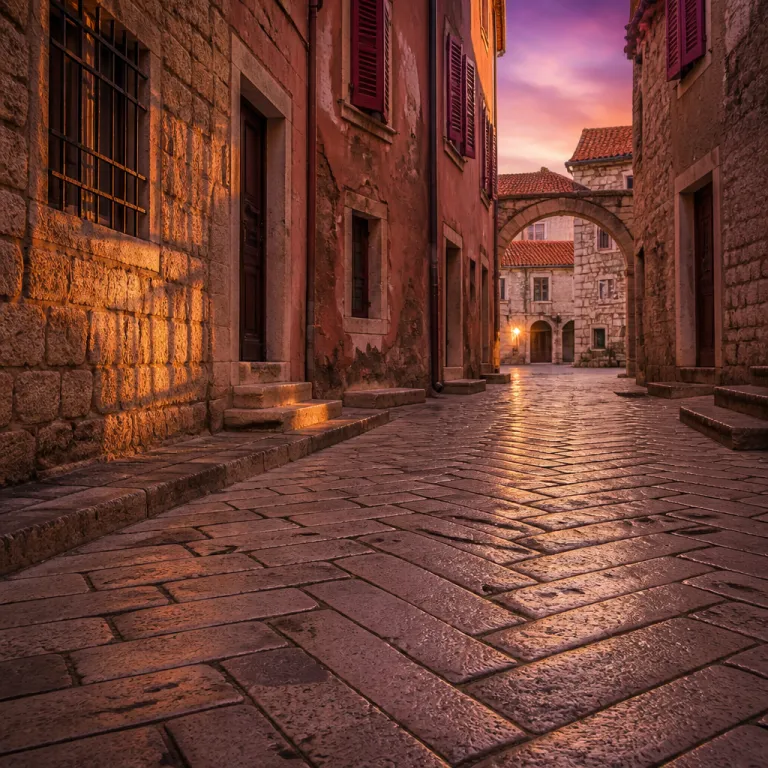
The summer rhythm of Croatia’s old towns
Peak season along the Dalmatian coast looks intense by day. In Dubrovnik, Split, Trogir and Korčula, cruise passengers and day trips from resorts arrive in a tight 9.00 to 17.00 window, turning every stone lane into a moving queue. Local life contracts into the side streets until the last tender boat leaves and the city exhales again.
For solo travelers planning to travel Croatia in July or August, the trick is not to avoid these cities but to time them, because the same old town that feels overrun at noon can feel almost private by 7.30 in the evening. Crowd monitoring tools used by local authorities now confirm what residents have always known ; “Before 9 AM: Streets are almost empty.” and “10 AM - 4 PM: Peak tourist hours.” and “After 4 PM: Crowds diminish.”. When you build a heritage focused trip around these hours, even the busiest UNESCO sites in Croatia start to feel human again.
Think of your day as a tide chart for traveling Croatia rather than a fixed schedule. Early mornings and post sunset walks become your premium time for culture, while the hottest hours shift to shaded terraces, sea swims or a cool hotel suite. This rhythm also helps you manage the average 30 °C summer temperatures in Dubrovnik and other coastal cities, which can otherwise make every city wall or national monument feel like a full day endurance test.
Choosing where to stay for quiet hours
When you travel Croatia for heritage, your hotel location matters more than your room size. In Dubrovnik, a stay just outside Pile Gate or near Ploče lets you step into the Old Town for a late evening walk, then retreat when the last bar empties. In Split, a characterful hotel in the pedestrian zone around Diocletian Palace means you can slip into the courtyards at dawn, then be back at breakfast before the first split day tour groups arrive.
Solo travelers often ask whether to base in a coastal city or a quieter town for a week long trip. My rule for Croatia travel in peak season is simple ; sleep within a 10 minute walk of the old stone core, but not on its loudest bar street, so you can use the 7.00 to 9.00 and 19.00 to 23.00 windows without worrying about late night noise. This is where a detailed hotel review on a specialist site like mycroatiastay.com becomes more valuable than a generic star rating, because it tells you whether that sea view terrace also doubles as a DJ platform until 2.00.
For a first solo trip, pairing Dubrovnik with Split or Šibenik gives you two very different readings of the coast in one full week. You can then add a day trip to nearby islands or to Plitvice Lakes National Park, using your city base as an anchor rather than changing hotels every day. Always check cancellation terms and consider flexible rates, especially if you rely on travel insurance to protect a higher end booking.
Dubrovnik’s quiet hours: walls, Stradun and late dinners
Dubrovnik is where most people start when they travel Croatia for the first time. The Old Town, framed by its famous city walls, absorbs more than 4 000 cruise visitors on a busy day, which is why the Stradun can feel like an airport corridor at noon. Yet between 7.00 and 9.00 in the morning, or again from 19.00 onwards, the same marble street belongs mostly to locals walking their dogs and to travelers who set an early alarm.
For the best experience, book your wall walk for the final entry slot of the day, then let sunset carry you along the battlements as the last ships pull away. From the Minceta side you see the full city roofscape, while the seaward stretch looks across to Lokrum and the wider Dalmatian coast, with the light soft enough for photographs without harsh shadows. If you prefer mornings, enter as soon as the ticket office opens, then reward yourself with a coffee in a side street café by 9.30, when the first day trips from nearby resorts begin to queue at Pile Gate.
Evenings are when Dubrovnik’s Old Town feels like a real town again, not just a set piece for Croatia travel marketing. Aim for an aperitif on a quiet bar terrace above the Stradun, then dine after 21.00, when restaurant tables turn over and the pace slows. This is also the right time to walk the back lanes towards the old port, where you will hear more Croatian than English and see how local families reclaim the city once the full day cruise excursions end.
Using Dubrovnik as a solo base
For a solo traveler, Dubrovnik works best as a three night base at the start or end of a longer trip. You can spend one full day on the Old Town and walls, another on a sea kayaking circuit or a boat to the Elafiti islands, and keep a flexible half day for weather dependent plans. If you are combining Dubrovnik and Hvar Croatia on the same itinerary, consider the catamaran connection rather than a long road transfer, so you arrive directly into each historic port.
From Dubrovnik, ambitious travelers sometimes add a day trip to Bosnia and Herzegovina, especially the classic trip to Mostar with its Ottoman bridge and old town bazaar. This can be a rewarding contrast if you are interested in the wider region, but it does mean sacrificing one of your quiet evening windows in Dubrovnik itself. My advice for a first time solo trip mostar excursion is to keep it to a single full day, then return in time for a late swim and a simple dinner in a harbour konoba, the kind of traditional tavern we unpack in detail in our guide to what Croatian konobas get right and why most travelers miss it at this in depth konoba article.
Whatever you choose, build in a Croatia check of practicalities before you arrive ; confirm your hotel’s luggage storage, check whether your travel insurance covers missed ferries or weather disruptions, and note that summer temperatures around 30 °C make midday sightseeing on the walls feel far longer than the posted route suggests. With that preparation, Dubrovnik becomes less of a theme park and more of a lived in city that you can read at your own pace.
Split, Trogir and Šibenik: Roman stones after dark
Split is the opposite of a museum city ; Diocletian Palace is not just a ruin but a living quarter where washing lines hang between Roman columns. During the day, the palace cellars fill with tour groups and souvenir stalls, and every split day excursion from nearby resorts seems to funnel through the same narrow alleys. Stay past 22.00, though, and you will see how the local rhythm takes over, with residents leaning on stone thresholds and small bars reclaiming the courtyards.
For solo travelers who travel Croatia with a taste for atmosphere, this is one of the best places to stay right inside the historic fabric. Choose a discreet hotel within the palace walls or just beyond the Peristyle, and you can walk the arcades at 7.30 in the morning almost alone, then retreat for breakfast before the first cruise buses arrive. Late at night, the underground halls cool down and the city’s soundscape shifts from tour guides to jazz trios and the clink of glasses, turning a full day of sightseeing into a layered, almost cinematic experience.
Nearby Trogir and Šibenik follow a similar pattern, but on a smaller scale that suits a solo explorer. Trogir’s island old town is a classic stop for day trips along the coast, yet by 18.00 the quayside empties and the alleys behind the cathedral become a quiet maze of stone and laundry. Šibenik, with its UNESCO listed St. James’ Cathedral, feels more local from the start, and its stepped streets reward those who climb up after sunset, when the heat has dropped and the city lights reflect off the bay.
Island links and Hvar’s softer side
From Split, ferries fan out across the central Adriatic, making it easy to combine city heritage with island calm on a single trip. The Dubrovnik Hvar and Split Hvar routes are particularly useful for solo travelers, allowing you to move between major cities and Hvar Croatia without backtracking through bus stations. When you plan to travel Croatia this way, always check the latest ferry timetables and leave buffer time in case of summer delays.
Hvar town has a reputation for nightlife, but its quietest hours are again the most rewarding for culture minded travelers. Climb to the fortress just after sunrise or in the golden hour before dinner, when the view over the Pakleni islands and the wider Dalmatian coast feels almost private. If you prefer a slower, more design led stay, look at properties near Stari Grad or on the island’s north shore, including the kind of low key luxury we profile in our review of Maslina Resort Hvar at this detailed Maslina Resort Hvar article.
As always when traveling Croatia in peak season, think about logistics as carefully as you think about views. Book your hotels before your ferries, use travel insurance that covers missed connections, and avoid scheduling a full day island excursion immediately before an international flight. A simple Croatia check of ferry times, hotel reception hours and luggage storage options can save you from sprinting across a hot quay with your suitcase while the last catamaran pulls away.
Plitvice, Zagreb and a solo heritage week
Not every quiet moment in Croatia happens by the sea ; inland, Plitvice Lakes National Park and Zagreb offer a different rhythm that pairs well with coastal days. Plitvice, with its terraced turquoise lakes and wooden walkways, is one of the most visited lakes national reserves in Europe, and in peak season the central loops can feel crowded from mid morning. Arrive for the first entry slot or stay nearby and walk the lower lakes in the late afternoon, when the day trip buses from the coast have already left.
For a solo traveler who wants to travel Croatia beyond the postcards, a two night stay near Plitvice Lakes allows you to experience both the upper and lower sections without rushing. You can then continue to Zagreb Croatia by bus or private transfer, swapping waterfalls for café culture and Austro Hungarian façades. In Zagreb, the Upper Town and Dolac market are at their most atmospheric early in the day, while the café terraces along Tkalčićeva Street and the Lenuci Horseshoe fill with locals after work, giving you a softer, more residential reading of the city.
A classic one week heritage itinerary might look like this for a solo traveler. Start with three nights in Dubrovnik, then take a ferry to Hvar or Split for two nights, followed by a full day and night near Plitvice and a final night in Zagreb, using efficient intercity buses or private transfers to connect each city. Along the way, you can weave in a carefully chosen day trip mostar excursion or a quiet afternoon in an olive grove, such as those we explore in our guide to Šolta’s family estates and slow travel at this Šolta olive oil country feature.
Practical checks, travel tips and staying insured
Peak season travel in Croatia rewards those who prepare like locals, not like cruise passengers. Before you lock in a non refundable hotel, check the fine print on your travel insurance, especially for missed connections, medical cover and cancellations linked to extreme heat. Many policies now treat a full day of delays differently from a short disruption, so read the conditions carefully and keep digital copies of every booking confirmation.
On the ground, simple travel tips make a big difference to how you experience each town and city. Carry a refillable water bottle, plan your steepest walks for early morning or after 19.00, and use real time crowd apps or local tourism board updates to time your visits to major sites. When in doubt, ask a local hotel concierge or a trusted guide to review your plan for the day ; they know exactly when the buses from the coast or from Bosnia and Herzegovina tend to arrive, and can often suggest a quieter route through the same historic quarter.
Finally, remember that even the best planned trip will include some queues and hot pavements in July and August. The goal is not to eliminate every crowd, but to stack the odds in your favour so that your lasting memories of Croatia are of cool stone underfoot at dawn, not of waiting in line at a city gate. If you time your walks, choose your hotels with care and keep a flexible, insured itinerary, you can travel Croatia in peak season and still feel that the old towns belong to you for a few precious hours each day.
FAQ: quiet hours and peak season in Croatia’s old towns
What are the best times to visit Dubrovnik’s Old Town in summer ?
The most comfortable and least crowded windows in Dubrovnik’s Old Town are early morning before 9.00 and late afternoon after 16.00. These hours avoid both the strongest heat and the peak influx of cruise passengers and organized day trips. Plan your city walls walk or Stradun stroll for these times, and use midday for shaded cafés or a break at your hotel.
How can I avoid crowds in Croatian old towns without skipping peak season ?
The key is to adjust your daily rhythm rather than your travel dates. Visit major sites such as Diocletian Palace, Trogir’s cathedral or Šibenik’s old town either at opening time or in the evening, and use real time crowd information from local tourism boards when available. Combine this with strategic hotel choices close to the historic centres, so you can walk in and out during the quietest hours.
Are there guided tours available during quieter hours ?
Many local tour operators in Dubrovnik, Split and other cities now offer early morning or late afternoon tours specifically designed to avoid the midday rush. These can include small group walks of the city walls, Diocletian Palace or coastal fortresses, often with more time for questions and photography. Booking one of these tours is a practical way to experience Croatia’s heritage with expert context and fewer distractions.
Is it worth visiting Plitvice Lakes National Park in peak summer ?
Plitvice Lakes National Park remains impressive in peak season, but timing is crucial to enjoy it. Aim for the first entry slot of the day or a late afternoon arrival, and consider staying nearby so you are not tied to a long day trip from the coast. This approach lets you walk the main lakes circuits with fewer crowds and more time to appreciate the landscape.
Do I really need travel insurance for a summer trip to Croatia ?
Comprehensive travel insurance is strongly recommended for any peak season trip to Croatia, especially if you are booking higher end hotels or multiple ferries and transfers. A good policy can cover medical care, lost luggage, cancellations and delays, which are more likely when airports and ports are operating at full capacity. Always check the specific terms for heat related disruptions, missed connections and adventure activities before you buy.