Pelješac Peninsula: the quiet highlight of a refined Croatia itinerary
Why Pelješac belongs on every refined travel Croatia itinerary
Most people who travel Croatia race along the highway from Split to Dubrovnik and never pause on the Pelješac Peninsula. Yet this quiet stretch of coast in southern Dalmatia offers some of the best wine, shellfish, and sea views in the country, rewarding any couple who values slow luxury over spectacle. When you plan your Croatia travel with intention, Pelješac becomes the coastal escape that quietly outshines a rushed day in a crowded city.
The new Pelješac Bridge has transformed traveling Croatia by car, cutting travel time and removing the border crossing through Bosnia and Herzegovina. Opened to traffic in July 2022, it connects Komarna on the mainland with Brijesta on the peninsula in just a few minutes, so a full day on Pelješac now feels effortless, whether you start your trip in Split Croatia, Dubrovnik, or even Zagreb after a night in a grand hotel. Many itineraries still focus on Plitvice Lakes National Park, the Game of Thrones filming locations in Dubrovnik, or a day trip to Hvar, but Pelješac now deserves equal billing on any serious travel guide to the Dalmatian coast.
Pelješac runs for roughly 70 kilometres, with the coast curling around quiet bays and vineyards climbing steep hills above the Adriatic. Travelers, local residents, and tour operators all describe it as a place where time stretches, a contrast to the full day sightseeing pace in a larger city. When you design a trip that includes both Plitvice Lakes and the lakes national parks inland, plus a few day trips along the coast, Pelješac becomes the restorative pause between Roman ruins in Split and the stone drama of Dubrovnik.
A slow driving route from the Pelješac Bridge to Orebić
Once you cross the Pelješac Bridge, resist the urge to treat the peninsula as a transit corridor on the way to Dubrovnik or a ferry to Hvar. This is the moment to slow your Croatia itinerary’s rhythm, because the road from the bridge to Orebić is one of the best coastal drives in the country. Plan a full day here rather than a rushed transfer, and you turn a simple trip into a sequence of quietly luxurious stops.
Begin your drive toward Ston, the fortified town that anchors the base of the peninsula and signals that this is more than another anonymous stretch of the Dalmatian coast. Ston and neighbouring Mali Ston are known for oysters and salt pans, and they sit in a channel that has supplied seafood to Croatia since Roman times. One local answer to the question “What is Pelješac Peninsula known for?” is simple and precise: “Renowned for its wines, beaches, and seafood.”
From Ston, continue along the coast, where the road alternates between sea level and elevated viewpoints that look back toward the mainland and Bosnia and Herzegovina. Pairs who usually book a design hotel in Split or chase nightlife in Dubrovnik or Hvar quickly realise that Pelješac is the anti Hvar, a place where the soundtrack is wind in the pines rather than a DJ. If you enjoy curated properties, note that the same level of hospitality detail you might expect from a waterfront stay in Bol is now appearing here too, a trend mirrored by openings such as the refined address highlighted in this review of new luxury on the Brač waterfront.
Ston and Mali Ston: oysters, walls, and a different kind of luxury
Ston is where Pelješac first announces its character, a place where history, food, and landscape intersect in a way that feels distinctly Croatian. The city walls that climb the hill behind town are often compared to a miniature Great Wall, and walking a section in the soft light of the day is one of the best low key experiences in Croatia travel. From the top, you see salt pans, the channel toward Mali Ston, and the wider coast that frames your trip.
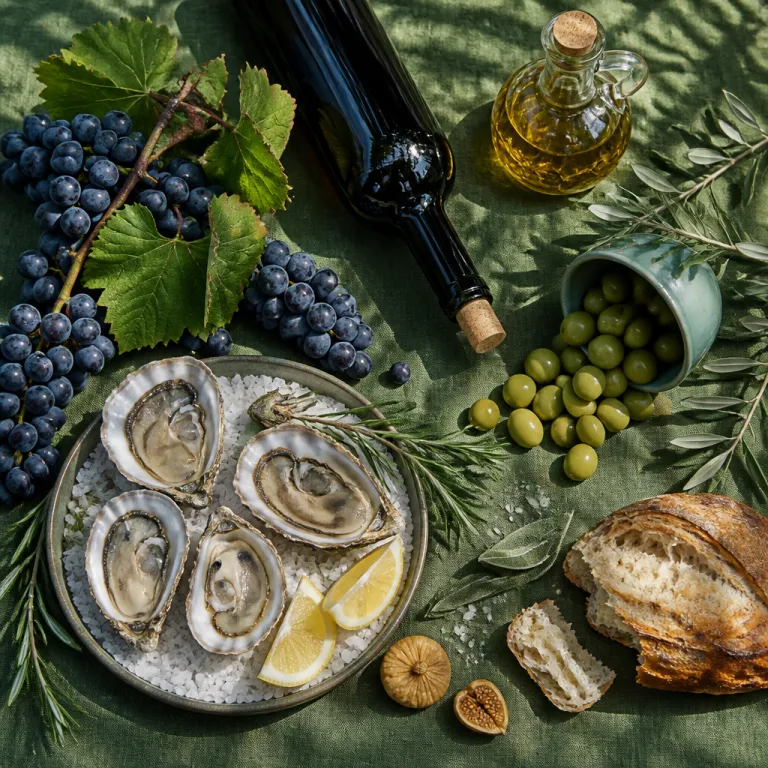
For many couples exploring Croatia, the real draw here is the shellfish, especially oysters pulled from the water that morning in Mali Ston. Several family run restaurants line the small harbour, and the most rewarding tables are the ones where the menu changes with the catch and the wine list leans heavily on Pelješac producers. Picture a late lunch at a simple wooden table by the water, a plate of just opened oysters glistening beside a chilled carafe of local white, while fishing boats nudge against the quay a few metres away. This is where a full day trip becomes a lesson in how to experience Croatia through taste rather than through a checklist of national parks and Game of Thrones locations.
After lunch, you can either continue toward the vineyards or linger with a glass of crisp Pošip, watching small boats move between the lakes like inlets and the open sea. Travelers who usually prioritise a spa hotel near Plitvice Lakes or a design stay in Split Croatia often tell us that this quiet hour in Mali Ston was the most memorable time of their trip. If you enjoy wellness focused stays, you can later balance this coastal indulgence with a night at one of the spa centric retreats featured in our coast by coast spa hotel guide for Croatia.
Dingač, Postup, and how to taste Pelješac wine properly
Beyond Ston, the road begins to climb, and the landscape shifts from salt and shellfish to vines and stone terraces. This is the heart of Dingač and Postup, two appellations that produce some of the best Plavac Mali in Croatia, grown on steep south facing slopes that plunge toward the sea. Any serious travel guide for couples planning a Croatia road trip should treat a structured tasting here as essential, not optional.
Several wineries between Potomje and Orebić welcome visitors for tastings, and the most rewarding experiences feel closer to a private salon than a crowded bar in Split or Dubrovnik. Well known names such as Matuško, Saints Hills, and Miloš typically offer prebooked visits, while smaller cellars may arrange tastings on request. Book ahead for a full day of visits, and ask specifically to taste Dingač and Postup side by side, because the difference between these two expressions of Plavac Mali tells you more about the peninsula than any brochure. When you are traveling Croatia with a focus on wine, this stretch of coast rivals more famous European regions, yet remains far quieter than Hvar or the busier corners of the Dalmatian coast.
To taste Dingač properly, arrive unhurried, ideally after a light lunch rather than a heavy hotel buffet. Start with younger vintages to understand the grape’s structure, then move to older bottles where the tannins soften and the sea influenced minerality becomes clear. Travelers who usually plan a day trip to Mostar in Bosnia and Herzegovina from Dubrovnik often find that trading one of those day trips for a slow afternoon in these vineyards gives their trip a more coherent sense of place.
Orebić, Korčula views, and where Pelješac meets island life
Orebić sits near the tip of the peninsula, a former captains’ town that now feels like a low key resort with serious views toward Korčula. The waterfront promenade is lined with palm trees and old stone houses, and the atmosphere is more refined than flashy, ideal for couples who prefer a quiet glass of wine to a nightclub. When you travel Croatia with romance in mind, this balance between sea, history, and calm is hard to beat.
From Orebić, small boats cross to Korčula town, giving you the option of a relaxed day trip without the intensity of a full day in Dubrovnik or Split. The ferry crossing usually takes around 15 minutes, and services run frequently in season, so you can spend the morning on a sheltered beach near your hotel, then take an afternoon boat to wander Korčula’s alleys, which echo some of the charm of Diocletian’s Palace in Split but on a more intimate scale. Many travelers who have already visited the Roman ruins and national parks inland say this combination of coast and island is the moment their Croatia travel finally clicks into focus.
Back on Pelješac, the peninsula’s southern end is now home to a Relais & Châteaux property, the boutique wine hotel Korta Katarina in Orebić, bringing a new level of service to a region that has long excelled in wine but lagged in luxury accommodation. For couples planning to continue toward Hvar or to link Dubrovnik and Hvar in a single itinerary, a night or two here creates a natural pause between more intense city stays. If you are mapping out where to stay in Hvar for an elegant island escape, our detailed Hvar hotel and neighbourhood guide pairs perfectly with a Pelješac road segment.
How Pelješac reshapes a classic Croatia itinerary for couples
Most first time itineraries in Croatia follow a familiar pattern, moving from Zagreb to Plitvice Lakes, then down to Split and finally Dubrovnik. That route certainly covers many highlights, from lakes national parks to Roman ruins and Game of Thrones filming sites, but it can feel like a sequence of crowded day trips rather than a coherent journey. Adding Pelješac by road changes the rhythm, giving you space between each city and turning your travel Croatia plan into something more textured.
One elegant approach is to start in Zagreb, spend a night near Plitvice Lakes National Park, then continue to Split Croatia for Diocletian’s Palace and a taste of urban life on the Dalmatian coast. From there, instead of rushing straight to Dubrovnik or stacking too many day trips such as a trip to Mostar in Bosnia and Herzegovina, drive south and cross the Pelješac Bridge. The distance from Split to the bridge is roughly 180 kilometres, usually around two and a half hours by car, and from there it is about 60 kilometres and just over an hour of scenic driving to Orebić, so you gain a full day of sea views, wine, and oysters, and you arrive in Dubrovnik with your shoulders already lowered.
For couples who value thoughtful planning, a few practical travel tips make this peninsula even more rewarding. Rent a car for flexibility, use digital maps but always cross check with local recommendations, and consider visiting outside the peak of summer when the coast is quieter and the vineyards less crowded. When you look back on your trip, you may find that the time spent driving Pelješac, rather than another night in a famous city hotel, was the chapter that defined your experience of traveling Croatia.
FAQ
How do I reach the Pelješac Peninsula when I travel Croatia by car ?
The Pelješac Peninsula is easily reached by road from Dubrovnik, Split, or even Zagreb, thanks to the Pelješac Bridge that connects it directly to the mainland. From Dubrovnik, the drive typically takes around one hour to the bridge and a further 45 minutes to Orebić, depending on traffic and stops along the coast. Many travelers include Pelješac as part of a longer Croatia travel route that also features Plitvice Lakes and other national parks.
Is Pelješac worth a full day, or just a short stop on the way to Dubrovnik ?
Pelješac rewards at least a full day, especially for couples interested in wine, seafood, and quiet coastal scenery. A simple stop in Ston for oysters gives only a partial view of the peninsula, while a longer day allows time for vineyards, small beaches, and Orebić. Travelers who are used to fast day trips from Split or Dubrovnik often find that slowing down here becomes a highlight of their trip.
Can I visit Pelješac as a day trip from Dubrovnik or Split Croatia ?
From Dubrovnik, Pelješac works well as a day trip, particularly if you focus on Ston, Mali Ston, and one or two nearby wineries. From Split Croatia, the distance makes a same day return more rushed, so it is better to include an overnight stay in a local hotel. Many couples combine Pelješac with onward travel to Korčula or Hvar rather than returning directly to the original city.
What is the best time of year to explore Pelješac by road ?
Pelješac is accessible year round, with spring and autumn offering mild weather, fewer crowds, and excellent conditions for driving and wine tasting. Summer brings warmer sea temperatures and livelier coastal villages, but also more traffic on the main road. Winter is quieter and can suit travelers who prioritise calm landscapes over beach time.
Are there enough services and accommodations on Pelješac for a multi day stay ?
The peninsula offers a range of accommodations, from small family run hotels to higher end properties, including a Relais & Châteaux address near its southern end. You will also find restaurants, wineries, and basic services in towns such as Ston, Trpanj, and Orebić. This makes Pelješac suitable not only for a single day trip but also for a longer coastal escape within a broader traveling Croatia itinerary.