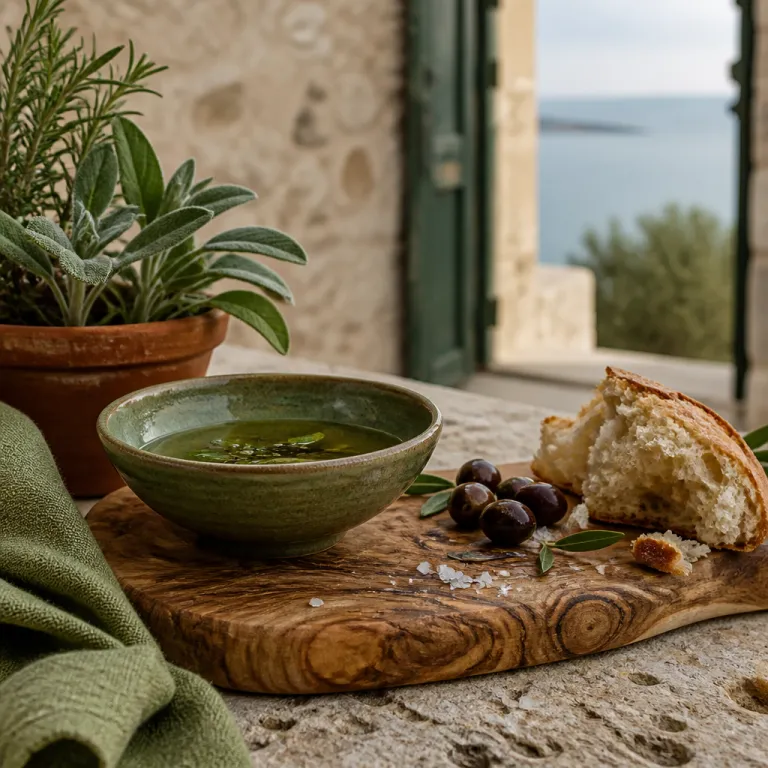
From tourist menus to ingredient led kitchens
Croatia has quietly shifted from volume driven tourist menus to kitchens that treat every plate as a story. Across the country, the conversation about croatia best restaurants 2026 now revolves around which restaurant best expresses its coastline, islands, and inland farms through focused, seasonal food. For travelers planning a trip, this means fewer laminated pages and more curated options that feel personal and precise.
Gault&Millau’s latest Croatia guide, which now lists over 400 restaurants, confirms that the best restaurants are moving away from endless choices toward short menus built around local seafood, vegetables, and heritage breeds. Inspectors rely on anonymous restaurant visits and a strict scoring system, so when they highlight a restaurant for good food and traditional cuisine, it signals real depth rather than trend chasing. This shift matters for luxury travelers who want croatia best experiences that feel rooted in place, not designed for passing cruise crowds.
On the coast, you will still find a restaurant in every town promising the best grilled fish and italian pasta, but the most interesting restaurants now edit fiercely. Instead of generic street food and frozen ice cream, they focus on a few seafood dishes, a handful of vegetarian options, and desserts that echo Croatia traditional recipes. When you browse local restaurants through a premium booking platform, look for short menus, a strong wine bar list, and staff who talk about producers by name, because those are reliable recommendations Croatia wide.
Why small towns now lead Croatia’s fine dining map
The most telling story behind croatia best restaurants 2026 is geographical, not just culinary. Instead of concentrating only in Zagreb or Dubrovnik Croatia, top restaurants are emerging in small town settings where chefs can work directly with fishermen, farmers, and winemakers. This decentralization means your next great restaurant experience may sit view a quiet bay rather than a famous Old Town square.
Konoba Zijavica in Mošćenička Draga, led by Stiven Vunić, is the clearest example of this new era. Named Chef of the Year 2026 by Gault&Millau, he champions local producers and traditional Kvarner cuisine, proving that a restaurant in a modest coastal town can rank among Croatia best addresses for fine dining. His cooking shows how traditional Balkan flavors, Adriatic seafood, and modern technique can coexist without losing the soul of a fishing village.
Further inland, Bistro Beška in Čakovec, where Ines Jurišić was named Great Chef of Tomorrow, underlines how local restaurants outside major cities now shape recommendations Croatia travelers should trust. These kitchens treat traditional cuisine as a living language, not a museum piece, and they often pair tasting menus with a serious wine bar program. To understand why konobas matter so much in this landscape, read our in depth guide on what Croatian konobas get right, then plan a trip that balances headline restaurants with family run dining rooms.
How Gault&Millau reshapes luxury hotel dining choices
For couples booking luxury hotels, the Gault&Millau guide has become a practical tool rather than just a trophy list. When you filter croatia best restaurants 2026 against your hotel shortlist, you start to see which properties treat food as a core part of the stay, not an afterthought. A hotel that collaborates with a nearby top restaurant or hosts a chef recognized by Gault&Millau usually delivers a more coherent gastronomic trip.
In Zagreb, NAV shares the top national score with Restaurant 360° in Dubrovnik, and both illustrate how fine dining can anchor an entire itinerary. Staying at a premium hotel near NAV lets you explore the capital’s coffee culture by day, then walk to a restaurant where every course reflects Croatian terroir through precise, modern cuisine. Down south, pairing a sea facing hotel in Dubrovnik Croatia with a reservation at 360° turns a good food evening into a complete experience, from aperitif at a wine bar to a late night bar with a terrace restaurants view over the walls.
Gault&Millau’s focus on service also matters for discerning travelers who value quiet professionalism. The Best Service Award for Robi Rojnić at Viking Restaurant shows how a restaurant can elevate a simple seafood plate into something memorable through timing, temperature, and an intuitive sense of when you want another glass of wine. When browsing local restaurants near your hotel, pay attention to service mentions in the guide, because they often predict whether a bar split, lobby lounge, or hotel restaurant will feel truly premium.
What to order now: from traditional Balkan roots to modern plates
Understanding croatia best restaurants 2026 also means knowing what to order once you sit down. Menus across the country are shrinking, but the remaining dishes tell a richer story about Croatia traditional cooking and its modern evolution. Chefs are moving from long tourist lists toward a handful of plates that balance seafood, meat, and vegetarian options with clarity.
Along the Adriatic, start with raw or lightly cured seafood, then move to grilled fish or shellfish cooked over wood, because this is where many top restaurants quietly excel. In Kvarner and Istria, traditional cuisine leans into scampi, wild herbs, and olive oil, while inland kitchens highlight traditional Balkan comfort dishes like slow cooked meats, stuffed vegetables, and rich stews. A good restaurant will also offer at least one thoughtful vegetarian main, not just a token salad, and pair it with a serious glass from a local wine bar list.
Desserts are simplifying too, moving away from generic ice cream toward refined takes on classics such as rožata, walnut cakes, or seasonal fruit tarts. You may still find a place named Taj Mahal in some towns, often referencing regional or fusion influences, but the most interesting restaurants use such names as a playful nod rather than a theme. When you read a guide or browse recommendations Croatia wide, look for menus that mention specific producers, short cooking descriptions, and a balance between comfort and precision, because those signals usually lead to the best restaurants for a romantic evening.
Planning a food focused Croatian trip with quiet luxury in mind
Designing a trip around croatia best restaurants 2026 works best when you align hotel choices, restaurant reservations, and slow days by the sea. Start by choosing two or three regions, such as Split Croatia and its islands, Kvarner, and the Dubrovnik area, then map one top restaurant and two or three local restaurants in each. This rhythm lets you enjoy fine dining without losing the pleasure of simple street food, morning coffee, and a casual bar at sunset.
In Split, stay within walking distance of the historic town so you can move easily between a wine bar, a relaxed bar split on the Riva, and a restaurant with a quiet sit view over the harbor. Use Gault&Millau scores as a filter, then read recent guest feedback on our platform to understand whether a place still offers consistently good food and service. When you need a break from the city, pair your stay with a night in a coastal town where a restaurant overlooking the water serves seafood straight from the morning boats.
For travelers who value wellness as much as cuisine, consider combining a gastronomic itinerary with a stay at one of the country’s refined spa properties. Our guide to the best spa hotels Croatia offers for luxury and wellness helps you match thermal pools and massages with nearby top restaurants. As you plan, remember this dataset insight from the Gault&Millau team : "How many restaurants are listed in the Gault&Millau Croatia 2026 guide?" and "Over 400 restaurants." — a reminder that the country’s gastronomic map is now broad enough to support repeat visits focused on different regions and styles.
FAQ
How should I use the Gault&Millau guide when booking hotels in Croatia ?
Use the guide as a compass rather than a checklist, focusing on which restaurants sit within a short walk or taxi ride of your chosen hotel. Cross reference those names with our platform’s guest reviews to confirm that service, atmosphere, and food quality still match the score.
Are Croatia’s best restaurants only in Zagreb and Dubrovnik ?
No, many of the most exciting kitchens now operate in smaller towns such as Mošćenička Draga and Čakovec, as well as wine regions like Baranja. Planning a trip that includes these areas often leads to more intimate dining and better value than staying only in major cities.
Do top Croatian restaurants cater well to vegetarians ?
Yes, the shift toward shorter, ingredient driven menus has encouraged chefs to create thoughtful vegetarian options rather than token dishes. Always mention your preferences when booking, as many kitchens can adapt tasting menus with advance notice.
How far in advance should I reserve fine dining restaurants in Croatia ?
For top restaurants highlighted by Gault&Millau, reserve several weeks ahead during peak coastal season, especially in Split and Dubrovnik. In smaller towns, a few days’ notice is often enough, but weekend evenings still fill quickly.
Is street food in Croatia worth planning around for a luxury trip ?
Yes, selective street food stops can complement fine dining by showing how local flavors translate into everyday snacks. Look for vendors using seasonal ingredients and traditional recipes, then balance these casual meals with more formal dinners at highly rated restaurants.