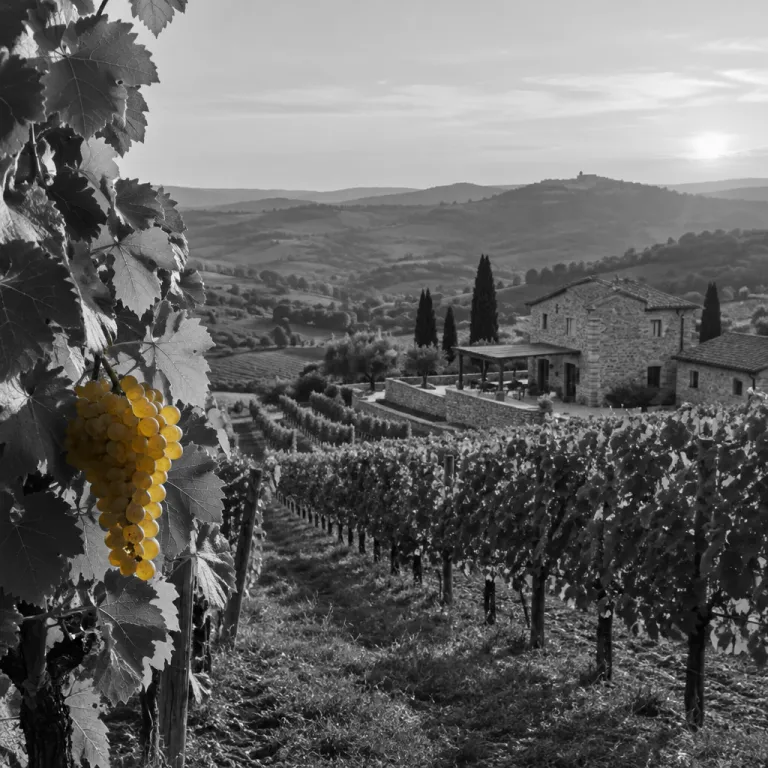
Why Istria’s wine country feels like a secret countryside retreat
Drive twenty minutes inland from the Adriatic and Istria changes mood. The coast falls away, and the heart of Istria opens into rolling hills, medieval hill towns and vineyards that feel closer to Tuscany than to mass market wine tours in Croatia. This is where an Istrian winery stay or small wine estate hotel makes sense, because the countryside rhythm matches the slower hours you need for wine tastings, truffle lunches and long walks through olive groves.
The landscape is shaped by terra rossa, the famous red soil that gives structure to Malvazija Istarska and depth to local cabernet sauvignon, and you see it in every freshly turned row between the vineyards. Many estates now frame their Istrian wine story around this soil, explaining how different plots in Istria will produce leaner white wines on limestone and fuller wines on deeper clay. Stay on site and you can taste Istria wine from specific parcels in side by side tastings, rather than rushing through anonymous flights in a crowded bar, and you start to understand why critics sometimes call this region “the Tuscany of Croatia”.
For a solo explorer, the countryside offers beautiful freedom during the day, because you can move between winery visit options, truffle hunting outings and olive oil mills without ever feeling part of a bus convoy. One morning might mean a guided wine tasting focused on Malvazija Istarska and other white wines at a place like Kabola or Kozlović, while the afternoon becomes a slow walk through vineyards above Rovinj with a glass in hand. By evening, Istrian wine hotels and vineyard retreats turn quiet, and the silence around the olive groves and vines is part of the luxury, especially if you have spent previous nights in busier corners of Croatia.
What a true winery stay offers that a regular hotel cannot
Not every property with a long wine list qualifies as a serious wine hotel in Istria. The difference shows the moment you arrive and someone from the winery team walks you through the cellar, the stainless steel tanks and the barrel rooms before you even see your suite. A proper estate stay in Istria will build your day around the winery, with tastings, vineyard walks and time to sit with the winemaker rather than squeezing wine into a generic activities schedule, and you feel more like a temporary local than a passing guest.
Look for places where wine tastings are led by people who actually work with the wines, not seasonal staff reading from a laminated post shared by marketing. When the person pouring your Malvazija Istarska can point to the exact slope in the heart of Istria where the grapes grew, and explain how terra rossa soil differs from the paler marl under their cabernet sauvignon, you feel the depth of these experiences. Some winery visit formats even include comparative tastings Istria style, where you try Malvazija from stainless steel, from large neutral casks and from amphora, learning how each vessel shapes texture and aromatics, and why some bottles age gracefully for a decade or more.
Estate stays also reframe time, because hours are measured in cellar appointments and golden light over the vineyards rather than in spa slots. You might spend one day joining a small group for structured tastings, then the next day cycling between nearby winery visit options and pausing for an unplanned wine tasting when a gate stands open. If you are building a longer Croatian itinerary that also includes slow travel in the eastern plains, pairing Istria with a stay in Slavonia’s wine country makes sense, and guides to Slavonia’s slow vineyards help you understand how different regions in Croatia treat wine and hospitality, from Graševina in the east to Malvazija on the peninsula.
Sleeping among Malvazija: how to taste Istria in the glass and on the plate
Malvazija Istarska is the grape that anchors most Istrian winery stays, and it behaves differently here than in any other part of Croatia. In its classic form, this Istrian white is fermented in stainless steel to keep citrus, almond and herbal notes bright, making it a natural partner for Adriatic seafood and local cheeses. Some wineries in Istria will also experiment with skin contact or partial oak, but the best estate stays let you compare these styles calmly over several tastings, not in a rushed bar setting, and you begin to notice how vintages with cooler summers feel leaner and more saline.
Food matters as much as the wines, because to taste Istria properly you need both the glass and the plate. Many winery restaurants build menus around truffle season, pairing fresh truffles shaved over homemade pasta with vertical flights of Malvazija and other white wines, then moving to cabernet sauvignon or other reds with slow cooked meats. A thoughtful wine resort in Istria will also highlight olive oil from its own olive groves or from neighbours, often serving guided olive oil tastings alongside wine tastings so you can map flavours across the same soil and understand why Istrian extra virgin regularly wins international awards.
Breakfast on an estate can be as instructive as a formal wine tasting, especially when the table holds local honey, charcuterie, seasonal fruit and a small glass of young Malvazija to start the day. During the afternoon, you might join informal tastings Istria style under a pergola, where the winemaker opens older bottles of Istrian wine and explains how certain vintages reflect cooler or warmer seasons. For deeper context on how Croatian producers frame their olive oil and rural hospitality, it is worth reading about family run olive oil estates, then applying that lens when you visit Istria and its countryside retreats, noticing how many families combine vines, olives and a few guest rooms.
Pairing winery stays with truffle hunting and coastal detours
One of the quiet luxuries of an Istrian wine country trip is how easily you can fold in truffle hunting without losing the calm of the countryside. The forests around Motovun and Buzet are famous for both black and white truffles, and many estates now partner with local families who have worked these woods for generations. A typical day might start with a few hours in the forest following dogs through the undergrowth, then move straight into a lunch where every course features truffles and carefully chosen wines, often including several expressions of Malvazija Istarska.
These truffle experiences are not staged shows; they are working days in the life of rural Istria, and the best winery visit partners treat them as such. After the hunt, you return to the vineyards for afternoon tastings, perhaps focusing on how Malvazija Istarska handles dishes rich with truffles compared with more aromatic white wines. Some estates also pour structured flights of cabernet sauvignon and other reds, showing how the same terra rossa soil that shapes their white wines can give surprising freshness to darker styles, especially in cooler years when harvest dates fall later.
If you crave a change of scene after several days inland, the coast is close enough for a spontaneous detour without breaking the spell. Many guests split their stay between a winery in the heart of Istria and a design forward address near Rovinj, using the town as a base for boat trips while keeping one foot in wine country. For a broader sense of how Croatian coastal stays can complement rural wine experiences, look at guides to elegant island stays on Hvar, then decide how much of your Croatia itinerary you want to dedicate to vineyards versus the sea and how many nights you want to spend in each place.
How to choose the right Istrian winery stay for your style of travel
Selecting the right wine hotel or vineyard retreat in Istria is less about star ratings and more about how deeply you want to engage with wine. Some estates in Istria will suit guests who prefer polished rooms, pools and a clear separation between hospitality and production, while others feel more like staying on a working farm where tractors pass your window at dawn. Read each post from trusted reviewers carefully, paying attention to how they describe the rhythm of the day, the proximity of vineyards and the seriousness of the tastings, and whether names like Meneghetti or Roxanich appear in the same breath as food and design.
As a solo explorer, you may value properties that offer small group wine tastings and shared tables at dinner, because these settings make it easier to meet fellow travellers without sacrificing privacy. Look for mentions of flexible tastings Istria style, where you can join a scheduled wine tasting or arrange a one to one session focused on specific wines such as Malvazija Istarska or older vintages of Istrian wine. Pay attention to how the estate talks about its vineyards and soil; when a winery explains the role of terra rossa, stainless steel versus oak and the nuances between different plots, it usually signals a more serious approach and a team that enjoys teaching as much as pouring.
Location also shapes your experiences, because staying in the heart of Istria gives quick access to both truffle hunting forests and coastal towns like Rovinj, while more remote estates trade convenience for deeper quiet. Think about how many hours you want to spend driving each day, and whether you prefer to visit Istria in shoulder seasons when the light is softer and the vineyards are less crowded. Above all, choose a place where wines Istria produces are not just a backdrop but the main story, because that is what turns a simple night in the countryside into a stay that anchors your whole trip to Croatia and keeps drawing you back.
Building a Croatia itinerary around Istrian wine and countryside retreats
Designing a Croatia journey around Istrian winery stays means accepting that wine, food and landscape will set the pace. Start with at least three nights on an estate in the heart of Istria, which gives you enough days for winery visits, truffle hunting and slow afternoons among the vineyards without feeling rushed. From there, you can add coastal time near Rovinj or extend inland toward other wine regions, always keeping one or two nights anchored to a working winery so that tastings remain part of your daily rhythm.
Think of each day as a sequence of sensory experiences rather than a checklist of sights. Morning might bring a quiet walk through olive groves while the mist lifts off the vines, followed by a focused wine tasting that explores how Malvazija Istarska behaves in stainless steel versus barrel. After lunch, you could join curated tours that link several winery visit options, each offering different expressions of Istrian wine, from crisp white wines to structured cabernet sauvignon grown on deeper terra rossa, and perhaps a rosé or sparkling wine for contrast.
For many travellers, the most memorable post trip reflections are not about specific labels but about how it felt to taste Istria in situ. When you visit Istria and sleep among the vines, wines Istria produces stop being abstract names on a list and become part of a lived landscape of soil, weather and human hands. That is the quiet power of these countryside retreats in Croatia; they turn wine tastings from a side activity into the organising principle of a journey that lingers long after the last bottle is opened at home and shared with friends.
FAQ
What is special about staying at a winery in Istria compared with the coast ?
Staying at a winery in Istria places you directly among vineyards, olive groves and working cellars, so wine becomes part of your daily rhythm rather than a one off excursion. You gain easy access to guided wine tastings, truffle hunting and estate restaurants that pair Malvazija Istarska and other wines with local dishes. Coastal hotels in Croatia can offer sea views and beach access, but they rarely provide the same immersion in Istrian wine culture and countryside life, where you might watch harvest begin at dawn from your terrace.
How many nights should I plan for an istria wine hotel oenotourism stay ?
Three nights is usually the minimum to appreciate an Istrian wine country experience without rushing. This allows one full day for winery visits and tastings, another day for truffle hunting or olive oil experiences, and a more flexible day for exploring nearby towns like Rovinj. If you are building a longer Croatia itinerary, adding a fourth or fifth night lets you slow the pace and revisit favourite estates, especially if you want to include both inland hills and a short coastal stay.
Do I need a car to enjoy winery stays in the heart of Istria ?
A car gives you the most freedom to move between vineyards, hill towns and the coast, especially if you want to visit Istria beyond a single estate. Some wineries offer transfers or can arrange drivers for tastings Istria style, which is useful if you prefer not to drive after wine tasting. For solo travellers, combining a rental car with occasional organised tours can balance independence with safety, and typical drives between estates and Rovinj rarely exceed an hour.
When is the best time of year to combine wine tastings and truffle hunting in Istria ?
The most rewarding period for pairing wine tastings with truffle hunting is the cooler part of the year, when both black and white truffles are in season and the vineyards are either lush or turning colour. During these months, estates often build special menus around truffles and pour Malvazija Istarska, white wines and cabernet sauvignon chosen to match each course. Shoulder seasons also mean fewer crowds, more time with winemakers and a calmer atmosphere in the countryside, with room rates often lower than in peak summer.
How can I tell if a property is a serious winery stay or just a hotel with wine ?
Look for signs that wine is central to the property’s identity, such as on site vineyards, a working cellar, detailed information about soil and grape varieties, and tastings led by winemakers or cellar staff. Serious Istrian wine hotels usually offer structured wine tastings, vineyard tours and menus built around their own wines, rather than simply listing many labels. Reading detailed reviews and each post from trusted sources will help you distinguish between marketing language and genuine wine focused experiences, and a quick glance at the wine list will often reveal whether local producers dominate or feel like an afterthought.