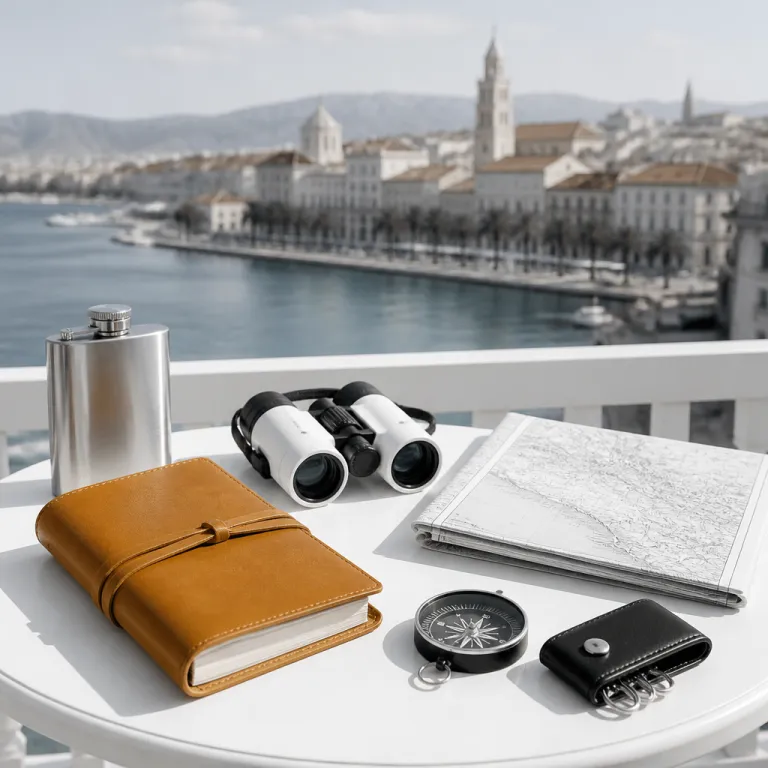
What to visit in Split for a perfectly paced first day
Arriving in Split Croatia, many luxury travelers wonder how to shape their first elegant day. The answer begins inside the ancient stone walls of Diocletian Palace, where Roman architecture, polished marble and discreet five star concierges now coexist. This compact city core lets you feel the rhythm of the town within minutes.
Begin your morning in the Peristyle, the palace courtyard where columns frame the sky and the Cathedral of Saint Domnius rises with its slender bell tower. From here, every step through Split old town reveals new layers of history, from Jupiter's Temple to narrow lanes lined with wine bars. This is where many of the best things to see in the city sit within a few hundred metres.
Climb the cathedral bell tower early, when the light is soft and the air over the city is still. The view stretches from the palace roofs to the harbour, where a boat waits to take you on later day trips to each nearby island. Looking down, you understand why Split Croatia has become a refined base for any longer trip along the Dalmatian coast. The bell tower usually opens around 7:00–8:00 in summer (check the latest hours with your hotel or the cathedral office), which makes it ideal as a first stop before the streets fill.
After descending, walk through the Golden Gate, the most dramatic entrance to Diocletian Palace and a key landmark for any tour Split itinerary. Outside the gate, the statue of Grgur Ninski marks the transition from imperial stone to lively modern town. Locals still rub his big toe for luck; if you arrive before 9:00, you can usually enjoy the square almost alone. This is an ideal moment to pause, decide what to see next in Split and let your hotel concierge confirm or book tour options for the afternoon.
Return towards the sea and stroll the Riva promenade, where palm trees, yachts and polished terraces define the coastal side of Split town. Here you can enjoy a slow coffee, watch the boat traffic and decide which experiences in Split match your style, from private wine tasting to curated city walks. For a quiet first espresso, slip one block inland to a small café on Bosanska ulica, where the atmosphere feels more local than on the main waterfront. Many premium hotels sit just behind the Riva, making it effortless to step from suite to sea within minutes.
Historic Split for luxury travelers who value quiet hours
Those who look beyond the obvious sights soon realise that timing is everything. The same palace stones feel different at dawn, when the city is almost silent and the only sounds are footsteps on marble. Late spring to early autumn offers pleasant weather, so use the long day to your advantage and schedule your most detailed sightseeing for the cooler hours.
If you enjoy heritage without crowds, plan an early private tour Split experience focused on Diocletian Palace and its hidden courtyards. Local guides now use augmented reality apps to show how the palace looked under Emperor Diocletian, which adds depth to every arch and column. This kind of tailored tour works especially well for guests staying in high end hotels inside the old town walls, where a guide can meet you directly in the lobby.
For a deeper sense of place, walk from the palace towards the Split City Museum, housed in the Renaissance-era Papalić Palace that traces the town's evolution. Exhibits explain how the Roman palace slowly became a living city, which helps you understand what makes Split Croatia different from other coastal towns. The museum typically opens from mid-morning to early evening, and an hour here makes even a simple day trip through the streets feel richer.
When planning what to visit in Split during peak season, consider exploring the old streets at off peak times. A helpful resource on walking Croatia's old towns at their quietest hours is this guide to experiencing historic centres without the crowds. Apply the same strategy in Split town by scheduling your main tour Split activities early morning or late evening, then using the middle of the day for long lunches or pool time.
Families and multi generational groups often ask whether the city suits all ages, especially when planning a longer trip through Croatia. The local tourist board answers clearly: "Is Split suitable for family vacations? Yes, Split offers activities and attractions for all ages." With that reassurance, you can confidently combine cultural highlights with relaxed beach time and gentle walks. Many central hotels now provide interconnecting rooms and child-friendly breakfast hours, which makes it easier to keep everyone rested.
Marjan hill, beaches and coastal elegance around Split
Once you have explored the palace core, the next question becomes what to visit in Split for sea views and nature. The answer lies on Marjan hill, the forested headland that rises just west of the old town. From luxury hotels along the waterfront, it is usually a short walk or taxi ride to the main trailheads, with the most popular starting point near the stairs above the Varoš neighbourhood.
Climb Marjan hill in the late afternoon, when the sun softens and the city glows below. Stone steps lead first to the Vidilica viewpoint and café, where you can see every island scattered across the Adriatic, from Brač to Hvar, and the full curve of Split town. This is one of the best things to do for guests who want a sense of the wider landscape without leaving the city, and the walk from the Riva to Vidilica usually takes about 20–30 minutes at a relaxed pace.
Many premium properties now offer curated hikes or private fitness sessions on Marjan, combining wellness with panoramic travel experiences. After your walk, descend to one of the small coves on the hill's southern side, such as Kašjuni or Ježinac, which feel like a hidden gem compared with the busier central beaches. These spots are ideal for a quiet swim before returning to your hotel spa or a sunset drink on the terrace.
Closer to the centre, Bačvice Beach offers shallow sand and lively cafés, making it popular for a relaxed day by the sea. Luxury travelers often pair a morning at this beach with an afternoon boat excursion, turning a simple day trip into a full coastal experience. If you prefer more privacy, your concierge can arrange a yacht or speedboat to reach quieter bays on nearby islands; the crossing to Brač, for example, can take as little as 30–40 minutes by fast boat.
Many visitors combine Split with Dubrovnik, another historic city framed by famous town walls and luxury stays. For planning that part of your trip, this guide on where to stay in Dubrovnik beyond the old town walls helps balance both destinations. Together, these two cities create a refined Croatian itinerary that blends beaches, heritage and high end hospitality.
Day trips from Split for refined coastal and inland adventures
Once you have answered what to visit in Split itself, attention naturally turns to day trips. The city is a perfect base for exploring both islands and inland landscapes without changing hotels. This is especially appealing for luxury travelers who value unpacking once and letting curated experiences come to them.
From the main harbour, a private boat can take you on a day trip to Hvar, Brač or Šolta, each island offering a different mood. Hvar town suits those who enjoy yachting culture and wine tasting, while Brač is known for Zlatni Rat Beach and quieter stone villages. Šolta feels more like a hidden gem, ideal for a long lunch and a swim in clear coves. Most of these islands lie within one to two hours by boat from Split, depending on the vessel.
Inland, Krka National Park lies within comfortable driving distance for a full day trip from Split Croatia. Here, wooden walkways cross emerald pools and waterfalls, creating a strong contrast with the stone of Diocletian Palace. Many high end operators offer small group or private day trips that include wine tasting at nearby estates on the return journey, with total travel time usually around 60–90 minutes each way.
Adventure inclined guests often ask what to visit in Split's hinterland for more active things. The Cetina River canyon near Omiš offers rafting, canyoning and zipline experiences, which can be arranged as tailored day trips with private transfers. After a day on the Cetina River, returning to a calm spa and fine dining restaurant in Split town feels especially rewarding, and the drive back to most central hotels takes roughly 30–45 minutes.
To keep logistics simple, use your hotel concierge or a trusted platform to book tour options that match your style. A curated selection of refined coastal escapes and premium stays across Croatia can be found through specialised all inclusive and luxury hotel collections. This approach lets you focus on the best things to see and do, while professionals handle timing, transfers and reservations.
Klis fortress, Game of Thrones sites and cinematic Split
For many guests, what to visit in Split includes locations linked to film and television. Klis Fortress, perched above the city, has become famous as a Game of Thrones filming site while still retaining its authentic medieval character. The drive from Split town takes less than half an hour in normal traffic, making it an easy half day excursion.
From the ramparts of Klis Fortress, you see the full sweep of Split Croatia, the islands and the mountains that frame the region. Guides here explain both the real history of the fortress and its role in Game of Thrones, which adds a playful layer to your cultural tour. This mix of fact and fiction appeals to families and couples alike, especially when combined with a relaxed lunch in a nearby village konoba.
Back in the city, several corners of Diocletian Palace also appeared in the series, especially the substructures beneath the Peristyle. A themed tour Split experience can connect these filming locations with the broader story of the palace and its Roman origins. Even if you are not a fan, the atmospheric stone halls and arches are worth your time, and they offer a cool retreat during the hottest hours of the day.
When planning what to visit in Split for an evening, consider a private walking tour that ends with wine tasting in a historic cellar. Many sommeliers now pair Croatian wine with stories about the city, from Diocletian's era to modern times. This creates a refined way to experience both the palace and the contemporary wine scene, and it works particularly well on your first or last night in town.
Luxury hotels often work with specialist operators to book tour packages that combine Klis Fortress, Game of Thrones locations and fine dining. These curated experiences ensure comfortable transfers, flexible timing and access to quieter viewpoints away from the main crowds. For guests who value both narrative and comfort, this cinematic angle becomes one of the best things to add to a Split itinerary.
Wine, gastronomy and where luxury travelers stay in Split
After deciding what to visit in Split during the day, attention naturally turns to evenings. The city has developed a sophisticated food and wine scene that pairs well with its historic setting. Many luxury and premium hotels now design their own tasting menus around local ingredients, often in collaboration with nearby vineyards and olive groves.
Wine tasting in Split Croatia often focuses on Dalmatian varieties such as Plavac Mali and Pošip, served in intimate bars within Diocletian Palace. Some venues offer guided flights that explain how the climate, island vineyards and traditional methods shape each glass. For travelers who enjoy both culture and gastronomy, this is one of the best things to schedule after sunset, especially on evenings when cruise crowds have departed.
High end restaurants along the Riva and in the old town reinterpret classic Dalmatian dishes with contemporary techniques. Expect fresh Adriatic fish, olive oil from nearby island groves and seasonal vegetables from the hinterland, all plated with quiet precision. Many hotel concierges maintain close relationships with these dining rooms, securing preferred tables for their guests and advising on the best nights for tasting menus.
When choosing where to stay, consider whether you prefer to sleep inside the old town walls or along the waterfront. Properties within the palace area place you steps from the main attractions in Split, from the bell tower to the Peristyle, while seafront hotels provide easier access to boat tours and beaches. Both options work well for a multi day trip, especially if you plan several day trips to islands or inland sites.
For travelers who value privacy, some luxury hotels and villas sit on the slopes of Marjan hill, offering views over Split town and the harbour. These locations make it easy to balance quiet mornings with quick transfers into the city for a tour Split experience or a refined dinner. Wherever you stay, the key is to align your hotel choice with the way you like to travel, whether that means late night wine bars, early hikes or long afternoons by the beach.
Practical tips for planning a luxury stay in Split
Knowing what to visit in Split is only part of planning a refined stay; timing and logistics matter just as much. Late spring and early autumn usually offer warm weather, fewer crowds and comfortable sea temperatures. During these periods, you can enjoy both city walks and beach time in a single day without feeling rushed.
Wear comfortable shoes for exploring Diocletian Palace and Marjan hill, as many streets are paved with polished stone. Stay hydrated, use sunscreen during the hottest hours and check opening times for sites such as the cathedral bell tower or Split City Museum. These simple steps help you make the most of each day trip or city tour, especially if you are travelling with children or older relatives.
When arranging excursions, decide early which national park, island or inland area matters most to you. Krka National Park, the Cetina River canyon and nearby islands all compete for time, so a clear plan avoids rushed days. Your hotel concierge or a specialist travel advisor can help you book tour options that match your pace and interests, from slow food lunches to high-adrenaline adventures.
Digital tools now enhance the way visitors experience Split Croatia, especially for those who value context. Mobile apps and augmented reality guides bring Diocletian Palace to life, while online platforms simplify reservations for wine tasting, boat charters and private guides. Use these tools, but balance them with unstructured time to wander the town and find your own hidden gem corners, whether that is a shaded square or a quiet stretch of promenade.
Finally, remember that Split town rewards both first time visitors and those returning for a longer trip through Croatia. Each visit can focus on a different angle, from heritage and Game of Thrones sites to wellness, gastronomy or sailing. With thoughtful planning and the right hotel base, you will always find new things Split offers that feel tailored to your style.
Key figures for planning your stay in Split
- Split welcomes around 1,000,000 tourists per year, according to the Croatian National Tourist Board, which means booking premium hotels and private tours well in advance is wise during peak months.
- The average summer temperature in Split reaches about 30 °C, based on data from the Croatian Meteorological and Hydrological Service, so scheduling palace walks and Marjan hill hikes for early morning or late afternoon improves comfort.
- Guided tours operate year round in the city, with Diocletian's Palace, the cathedral and Klis Fortress typically open daily, giving flexibility to design multi day itineraries around weather and personal energy levels.
- Bačvice Beach and other central beaches are most popular in the warmest months, so guests seeking quieter swimming spots often choose boat based day trips to nearby island coves.
FAQ about what to visit in Split
What is the best time to visit Split for a luxury stay?
Late spring to early autumn offers pleasant weather, warm seas and long days, which suits guests who want to combine city sightseeing, beach time and boat excursions. During these months, you can comfortably explore Diocletian Palace in the morning, relax by the beach in the afternoon and enjoy wine tasting in the evening. Shoulder seasons also bring fewer crowds, which enhances the experience in historic streets and on Marjan hill.
Are there guided tours available for Diocletian Palace and the old town?
Yes, various guided tours are offered by local operators, ranging from small group walks to fully private experiences with hotel pick up. Many focus on Diocletian Palace, the cathedral bell tower and the Golden Gate, while others add Game of Thrones filming locations or wine tasting. High end hotels often work with trusted guides and can book tour options that match your interests and preferred pace.
Is Split suitable for family vacations with children and teenagers?
Is Split suitable for family vacations? Yes, Split offers activities and attractions for all ages. Children usually enjoy the beach, boat trips and the climb up the cathedral bell tower, while teenagers often appreciate Game of Thrones sites and adventure activities on the Cetina River. Many luxury hotels provide family suites, pools and concierge services that help coordinate day trips suitable for different ages.
Which day trips from Split are most popular among luxury travelers?
Popular day trips from Split include private boat excursions to Hvar, Brač and Šolta, as well as inland journeys to Krka National Park and the Cetina River canyon. Guests who enjoy history often add Klis Fortress to their itinerary, combining panoramic views with a visit to a Game of Thrones filming location. These experiences can be arranged as tailored day trips with comfortable transfers, fine dining stops and flexible timing.
How many days should I plan in Split for a premium experience?
A stay of three to five days usually allows enough time to explore Diocletian Palace, Marjan hill, central beaches and at least one or two day trips. Shorter visits work if you focus on the city itself, while longer stays suit travelers who want to include multiple islands and a national park. With a well located luxury hotel and good planning, each additional day adds new layers to what you can visit in Split.