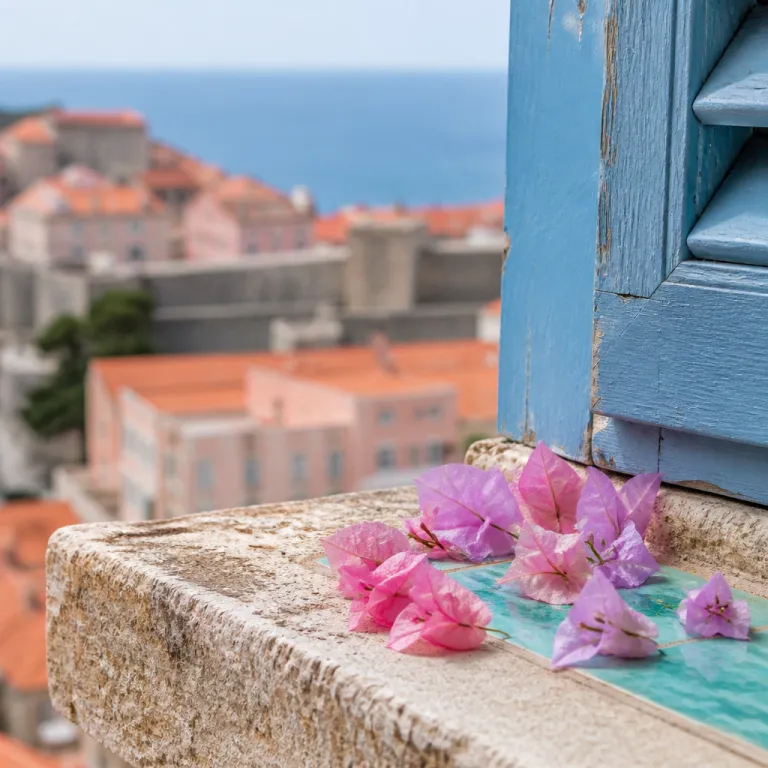
Why the best cities in Croatia define a luxury coastal escape
The best cities in Croatia combine heritage, sea views, and refined hospitality. In each coastal city or inland town, luxury hotels sit beside palaces, museums, and parks that shape an unforgettable trip. For discerning guests, these Croatian destinations offer beautiful places to stay where every day feels curated.
Across the country, each city reveals a different facet of Croatia, from medieval city walls to Austro-Hungarian boulevards and island marinas. When you plan where to visit, think in terms of experiences rather than just a list of cities Croatia offers, then match each experience with the right neighbourhood and hotel style. This approach turns a simple road trip into a tailored travel journey, with national parks, islands, and historic towns woven between your stays.
Luxury travellers often start with a travel guide focused on the best places in Dalmatia, then add inland highlights such as Plitvice Lakes National Park or Zagreb’s cultural quarter. That mix of coastal cities, national parks, and small-town charm is what makes a visit to Croatia so rewarding for guests who value both comfort and authenticity. With careful planning, every day trip, every city-center stroll, and every sunset view from your suite feels intentional.
Dubrovnik old town: city walls, sea views, and elevated stays
Dubrovnik is the Croatian city most closely associated with luxury, and with good reason. Enclosed by nearly 2 kilometres of stone city walls, the old town offers a rare combination of medieval architecture, Adriatic views, and high-end hotels. Annual tourists visiting Dubrovnik reached about 1.5 million overnight stays in 2022, according to the Croatian National Tourist Board (accessed 2024), which makes advance booking essential for premium rooms with a sea view.
Inside the city center, many historic palaces have been converted into refined accommodation, placing guests steps from Stradun, museums, and the harbour. For travellers comparing the best places to stay, a detailed travel guide to the best hotels in Dubrovnik old town for an exceptional stay helps narrow options by style, amenities, and proximity to the main gates. Staying within the walls suits guests who want to walk everywhere, while luxury resorts just outside the city offer quieter pools and private access to the sea.
Dubrovnik also works beautifully as a base for a day trip to nearby islands, including Lokrum or the Elafiti archipelago. Many visitors combine a stay here with Split–Dubrovnik itineraries, using private transfers or yachts to link both cities in comfort. If you plan to visit Croatia in peak season, consider at least one extra day to enjoy the city without rushing between tours, especially if you want to explore the walls at sunrise or sail at sunset.
Split and Šibenik: Diocletian’s Palace, island gateways, and coastal culture
Split is a vibrant coastal city where Roman heritage meets a lively waterfront promenade. Diocletian’s Palace, more than 1,700 years old, forms the living heart of the city center, with hotels, cafés, and apartments woven into its stone alleys. For luxury travellers, this creates a rare setting where a suite can overlook both ancient courtyards and the modern marina.
Many guests pair Split with nearby Šibenik, a smaller Croatian town known for its cathedral, fortresses, and access to Krka National Park. This combination of cities Croatia offers is ideal for travellers who want both urban energy and quieter coastal charm during the same trip. When planning a Zagreb–Split or Split–Dubrovnik route, Šibenik often becomes a refined midpoint, especially for guests interested in national parks and coastal dining.
From Split, private boats and scheduled ferries connect you to some of the most beautiful islands in Croatia, including Hvar town and Brač. These islands offer beautiful places to swim, dine, and relax, while still allowing a return to the city by evening if you prefer a mainland base. For those focused on where to stay in Dubrovnik for the best areas, hotels, and views, a separate guide to the best areas, hotels, and views in Dubrovnik helps you coordinate a multi-city itinerary that balances Split’s energy with Dubrovnik’s drama.
Zagreb and inland Croatia: art, parks, and refined urban stays
Zagreb, the capital city of Croatia, offers a sophisticated urban counterpoint to the coast. With around 800,000 people recorded in the 2021 census by the Croatian Bureau of Statistics (accessed 2024), it feels substantial yet walkable, especially around the historic upper town and the elegant lower town grid. For luxury travellers, this city center concentrates five-star hotels, theatres, and museums within a compact area.
The best cities in Croatia for culture-focused stays often start with Zagreb, then extend to inland highlights such as Plitvice Lakes National Park. Many guests plan a road trip that links Zagreb, Plitvice Lakes, and the coastal cities, creating a loop that showcases both national parks and Adriatic towns. Because lakes national landscapes can be crowded during the day, staying in a nearby town allows early access to trails and more tranquil views.
Zagreb is also an excellent base for sports-themed stays and events, especially during major football tournaments. If you are planning to visit Croatia when the national team plays, a dedicated guide to where to watch Croatia play in Zagreb helps you choose hotels near lively viewing spots. Zagreb offers family-friendly attractions and parks, which makes it a strong choice for multi-generational trips that combine culture, green spaces, and comfortable city hotels.
Island elegance: Hvar town, Rovinj, and coastal Croatian cities
Among the best cities in Croatia for island-style luxury, Hvar town stands out. This harbour town on Hvar island blends Venetian architecture, yacht-filled marinas, and hillside hotels with panoramic sea views. For travellers seeking both nightlife and tranquillity, choosing a hotel slightly above the city center often provides quieter evenings and sweeping vistas.
On the Istrian peninsula, Rovinj offers a different expression of Croatian coastal charm, with a romantic old town rising from the sea. The city is known for its art galleries, with around 20 galleries recorded by the local tourist board in recent years (accessed 2024), which pairs beautifully with refined dining and waterfront hotels. Many guests consider Rovinj one of the most beautiful places in Croatia, and it often features on curated travel guide lists of best places for couples.
Luxury itineraries frequently combine these coastal cities with nearby islands and national parks, using private transfers or yacht charters. A typical trip might start in Zagreb, continue through Plitvice Lakes, then move to Split and Hvar town before ending in Dubrovnik. When you visit Croatia with this structure, each city, town, and island plays a distinct role, from cultural immersion to seaside relaxation.
Historic city walls, national parks, and curated day trips
For many guests, the best cities in Croatia are defined by how easily they connect to nature. Dubrovnik’s city walls, Split’s waterfront, and Šibenik’s fortresses all sit within reach of national parks and coastal islands. This proximity allows you to design day trips that start in a refined city center and end in a quiet cove or forest trail.
Plitvice Lakes National Park and Krka National Park are the two most famous lakes national landscapes in the country. Plitvice Lakes offers wooden walkways over turquoise water, while Krka National Park combines waterfalls with historic monasteries and viewpoints. Because these beautiful places attract many visitors, luxury travellers often arrange private guides and early entry to enjoy a more serene view of the cascades.
From Split and Šibenik, boat excursions reach islands where you can swim, dine, and return to your hotel by evening. Walking tours, boat trips, and museum visits are the most effective methods to experience both the cultural and natural sides of these Croatian cities. Wear comfortable shoes, stay hydrated, and plan visits during off-peak hours to make each day trip feel relaxed rather than rushed.
How to choose luxury hotels in the best cities in Croatia
Selecting the right hotel in each city or town shapes the character of your trip. In Dubrovnik, staying within or just outside the city walls changes how you experience the old streets, crowds, and sea views. Spring and early autumn offer pleasant weather and fewer crowds, which is especially valuable if you want to enjoy rooftop terraces and pool decks in comfort.
In Split, consider whether you prefer a hotel embedded in Diocletian’s Palace or a contemporary property along the waterfront. Are there guided tours available in Split? Yes, numerous guided tours are available, focusing on history and culture, and staying near the palace gates makes early departures effortless. In Zagreb, guests often choose between grand hotels on main squares and quieter properties near parks, depending on whether nightlife or calm evenings matter more.
Across Croatia, digital travel guide tools, local guides, and curated tour packages help you match hotels with experiences. Growth in eco-friendly travel and the rise of digital tourism guides mean you can now align sustainability preferences with luxury standards in many Croatian cities. Respect local customs, learn basic Croatian phrases, and coordinate transfers between cities Croatia offers, so that every movement between places Croatia includes in your itinerary feels seamless.
Key figures that shape luxury travel in Croatian cities
- Annual tourists visiting Dubrovnik reached about 1.5 million overnight stays in 2022, according to the Croatian National Tourist Board (accessed 2024), which underlines the need for early luxury hotel bookings in peak months.
- The length of Dubrovnik’s city walls is approximately 1.94 kilometres, based on UNESCO World Heritage documentation (accessed 2024), giving guests ample space for scenic walks above the Adriatic.
- The age of Diocletian’s Palace in Split is estimated at around 1,700 years, as recorded by UNESCO (accessed 2024), making it one of the most historically significant urban complexes where travellers can actually stay overnight.
- The population of Zagreb is close to 800,000 people, according to the 2021 census from the Croatian Bureau of Statistics (accessed 2024), which supports a rich cultural scene of theatres, museums, and parks for visitors.
- The number of art galleries in Rovinj is around 20, based on figures from the Rovinj Tourist Board in recent years (accessed 2024), reinforcing its reputation as a refined coastal city for art-focused trips.
FAQ about the best cities in Croatia for luxury stays
What is the best time to visit Dubrovnik for a luxury holiday ?
Spring and early autumn offer pleasant weather and fewer crowds. During these periods, premium hotels often provide better availability, and the city walls feel more tranquil. This timing also suits guests who plan private yacht charters or day trips to nearby islands.
Are there guided cultural tours available in Split and nearby cities ?
Yes, numerous guided tours are available, focusing on history and culture in Split, Šibenik, and surrounding areas. Many luxury hotels can arrange private guides for Diocletian’s Palace, local markets, and coastal viewpoints. Combining these tours with boat excursions creates a balanced itinerary between city exploration and time on the water.
Is Zagreb suitable for family travel with a focus on comfort ?
Absolutely, Zagreb offers family-friendly attractions and parks, along with spacious hotel options. The compact city center makes it easy to walk between museums, green spaces, and cafés. Families often use Zagreb as a starting point for a road trip to Plitvice Lakes and the coast.
How can I reach Rovinj from Zagreb when planning a premium itinerary ?
You can travel from Zagreb to Rovinj by bus, private car, or a combination of car and ferry via Pula. Many luxury travellers choose a chauffeured transfer to enjoy the scenery without driving. This route fits naturally into a wider circuit that includes other coastal Croatian cities such as Rijeka and Pula.
What is Rijeka known for, and does it suit luxury travellers ?
Rijeka is known for its port, industrial heritage, and vibrant cultural scene. While it feels more urban and less resort-focused than some coastal towns, it offers characterful hotels and easy access to nearby islands and beaches. For travellers interested in contemporary culture and local life, Rijeka can be a compelling addition to a Croatian city itinerary.