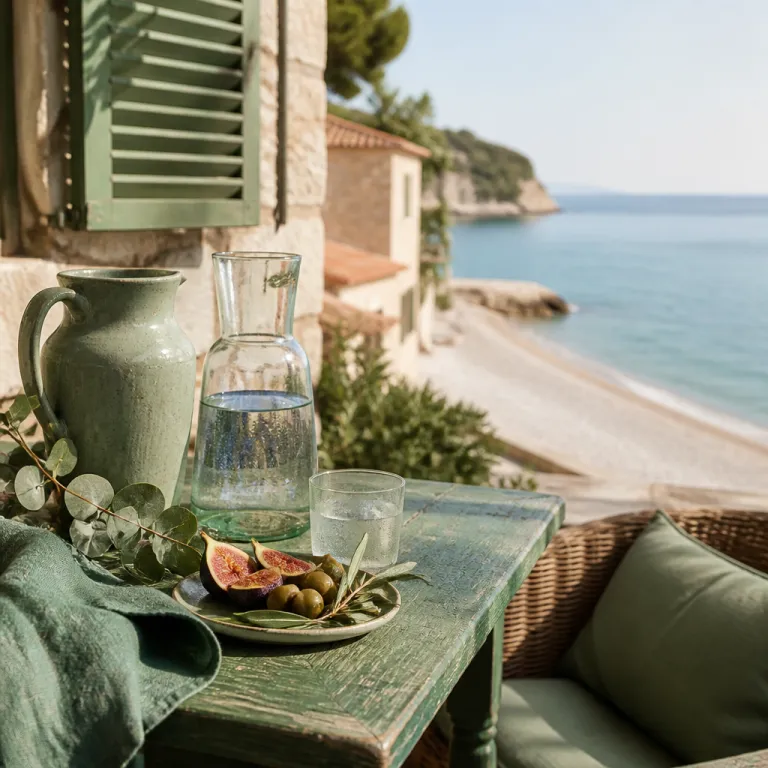
The September advantage for luxury accommodation in Croatia
September on the Adriatic is when luxury accommodation in Croatia finally breathes. Sea temperatures hover around 24 °C, terraces empty out, and high end hotel teams quietly roll out their most thoughtful service touches. For a business traveler turning a conference into a coastal vacation, this is the month when Croatia feels both polished and personal.
Across the coast, many hotels remain open in September, offering full services, while average rates often drop by around 30 percent compared with peak summer. That shift changes how you choose your accommodation in Croatia, because suddenly suites with a panoramic view, late breakfast, and flexible check out become attainable rather than aspirational. When you add dates into your search carefully, you will often find special offers that reward longer stays and midweek arrivals.
The Adriatic in September offers warm seas, fewer crowds, and lower prices, which is exactly what seasoned travelers look for when planning a holiday that balances work and rest. Online booking platforms and curated sites such as mycroatiastay.com make it easy to compare apartments, villas, and hotel rentals, while still keeping an eye on each property’s policy terms and privacy policy. Is September a good time to visit the Adriatic coast? Yes, September offers warm seas, fewer crowds, and lower prices.
For executives used to tight schedules, the quieter rhythm is a genuine luxury experience. You can schedule morning calls from a shaded terrace, then swim before lunch without fighting for a lounger or listening to loud sports broadcasts at the pool bar. Many properties are offering accommodation packages that bundle breakfast, airport transfers, and spa access into one clear offer, which simplifies both expense reports and personal planning.
Families also benefit from this shoulder season, because school aged children in the United States often have more flexible dates in early September than in peak August. Parents can find family friendly apartments with separate bedrooms and generous living areas, rather than squeezing into a single hotel room. When you check the latest travel news from Croatia Luxury Hotels or The Balkan Guide, you will see a consistent message about this month’s balance of value and comfort.
Where the coast peaks in September: Istria, Dalmatia and the islands
Istria is the region where September quietly outshines summer for many luxury travelers. The first white truffles appear in the forests around Motovun, and coastal towns like Rovinj and Poreč feel calmer yet still lively enough for an extended holiday. If you are planning accommodation in Croatia around a business meeting in Zagreb, a three hour drive to Istria turns a work trip into a long weekend with serious culinary credentials.
Along the Dalmatian coast, Pelješac comes into its own as the grape harvest begins, and the peninsula’s small hotel properties feel more intimate once the August crowds thin. This is the moment to book sea view rooms in stone built houses, or upscale apartments above family run konobe, where the evening meal is as much part of the experience as the room itself. When you add dates that fall just after local harvest festivals, you often unlock special offers that include tastings, vineyard tours, or late check out on departure day.
Dubrovnik is transformed once cruise ship numbers drop, and the Old Town’s polished hotels finally match their architecture with a calmer pace of life. Many executives schedule meetings in the city, then extend their stay by a few nights in nearby coastal rentals, using the quieter streets to explore without the summer crush. For those curious about how the Adriatic feels beyond peak season, this guide to the temperature in Croatia in December for a luxury coastal escape shows how the sea and air evolve as the year progresses.
Farther out, the islands reward those who plan their accommodation in Croatia with a little more care. On Lastovo, for example, a handful of small hotels and apartments sit above coves where you might share the water with only a few locals, and this detailed look at the island Croatia keeps to itself explains why it suits travelers who value privacy over nightlife. Ferry schedules are slightly reduced compared with high summer, so you must check dates and policy terms carefully, but the payoff is a quieter, more reflective version of the Adriatic.
Sports focused guests also find September ideal, because sea kayaking, cycling in Istria, and light hiking on Brač or Hvar are more comfortable once the fiercest heat has passed. Many properties are offering accommodation packages that include guided activities, equipment rentals, and healthy breakfast options tailored to active days. When you review each hotel’s privacy policy and booking conditions, pay attention to how they handle last minute changes, because some island services may close earlier if the season is unusually quiet.
Hotel styles that shine after peak summer
Some of the most desirable accommodation in Croatia feels almost too intense in July, when every terrace table is taken and every pool lounger is reserved by breakfast. In September, those same hotels finally match their architecture and service levels with the relaxed pace that luxury travelers expect. You notice the difference at check in, when staff have time to talk through local restaurants, wine lists, and the best coves for a late afternoon swim.
Smaller coastal hotels and design forward apartments benefit most from this shoulder season, because their compact public spaces feel generous once the crowds thin. Island properties on Hvar, Korčula, and Vis, which can feel overrun in high summer, become ideal for a quiet vacation built around long lunches and unhurried swims. When you add dates for mid or late September into your search, you often find special offers that include complimentary breakfast, spa credits, or room upgrades that were impossible to secure earlier in the year.
Country estates in Istria and the Dalmatian hinterland also come into their own as menus shift toward autumn ingredients. These hotels are offering accommodation that blends vineyard views, olive groves, and refined dining, which suits executives who want to decompress after a demanding year of travel. Many of these properties structure their policy terms to encourage longer stays, with tiered offers that reward four or five night bookings with better nightly rates.
For travelers who prefer all inclusive comfort, refined coastal escapes in Croatia feel more relaxed once the school holiday rush is over. This curated guide to all inclusive refined coastal escapes in Croatia highlights properties where premium drinks, à la carte dining, and thoughtful service replace the mass market feel that some guests associate with the format. When you compare these hotels, pay close attention to their privacy policy and how they handle guest data, because high end travelers increasingly expect transparency alongside good design.
September also suits families who want space without chaos, because many resorts quietly reorient their activity programs once the peak summer sports schedule winds down. Children’s clubs become calmer, pool areas less crowded, and breakfast buffets feel more civilized, which matters when you are combining remote work with family time. If you plan your accommodation in Croatia with flexible dates add options, you can often find apartments or interconnecting rooms that give everyone privacy without sacrificing service.
How to turn a business trip into a September coastal escape
For the business leisure traveler, the real art lies in turning a necessary meeting into a memorable holiday. Zagreb and Dubrovnik are the main entry points, and both connect efficiently to coastal regions where luxury accommodation in Croatia is at its best in September. The key is to plan your flights and hotel dates so that work commitments sit at the front of the trip, leaving the Adriatic as a reward rather than a distraction.
From Zagreb, Istria is the most logical extension, with highway access to Rovinj, Pula, and the inland hill towns that define the region’s food culture. You can schedule two days of meetings in the capital, then drive to a coastal hotel where breakfast on the terrace and a sea view suite reset your internal clock. When you add dates that include a weekend, you often unlock special offers that combine accommodation, spa treatments, and late checkout, which suits executives who need a soft landing before returning to the office.
Dubrovnik lends itself to a different rhythm, because many conferences already take place in seafront hotels with strong leisure facilities. In that case, the smartest move is to shift from a large conference property to a smaller coastal hotel or serviced apartments nearby, where the atmosphere feels less corporate once the event ends. Always review the policy terms carefully, because flexible cancellation and clear privacy policy language matter when your schedule depends on shifting corporate meetings or last minute news.
When choosing between hotels, apartments, and villa rentals, think about how you actually work on the road. If you need quiet mornings for calls with the United States, prioritize accommodation in Croatia with strong Wi Fi, generous desks, and room service breakfast, rather than relying on busy lobbies. Sports facilities, such as lap pools or nearby running routes, can also shape your choice, because a short swim in a 24 °C sea before your first email changes how the whole day feels.
September does have tradeoffs, and honest planning makes them work in your favor rather than against you. Days are shorter than in peak summer, some seasonal restaurants close earlier in the month, and ferry schedules on smaller islands may be reduced, so you must check dates add options and transport timetables before locking in non refundable offers. Are hotels open in September along the Adriatic? Many hotels remain open in September, offering full services, and that is why this month has become a quiet favorite for travelers who value space, service, and a more thoughtful pace of life.
FAQ
Is September a good time to visit the Adriatic coast for a luxury stay?
September is one of the best months for a luxury holiday on the Adriatic, because sea temperatures remain warm while crowds and prices drop. You benefit from quieter hotels, more attentive service, and a wider choice of premium rooms and apartments. Many properties in Croatia structure special offers specifically around this shoulder season.
How much cheaper are hotels in September compared with August?
Data from Croatian luxury travel specialists indicates that average hotel rates can fall by around 30 percent between August and September. The exact reduction depends on region, property category, and specific dates add into your search. High end accommodation in Croatia often becomes significantly better value without any drop in service quality.
Are most coastal hotels and rentals still open in September?
Along the main stretches of the Adriatic coast in Croatia, most hotels, apartments, and villa rentals remain open throughout September. Services such as restaurants, spas, and sports facilities usually operate normally, especially in larger destinations like Dubrovnik, Split, and Istria’s main towns. On smaller islands, some seasonal venues may close earlier, so always check policy terms and opening dates before booking.
What is the weather and sea temperature like in September?
Weather along the Croatian coast in September is generally warm, with comfortable daytime temperatures and cooler evenings. The sea typically sits around 24 °C, which is ideal for swimming, sailing, and water sports without the intense heat of peak summer. This combination makes September particularly attractive for travelers who value both comfort and active experiences.
How far in advance should I book luxury accommodation in Croatia for September?
For top tier hotels and standout apartments in prime locations, booking three to six months ahead is sensible, especially for early September dates. Last minute special offers do appear, but they are less predictable for the most sought after properties with limited inventory. If you have fixed business commitments or specific family needs, secure your accommodation early and choose flexible policy terms where possible.