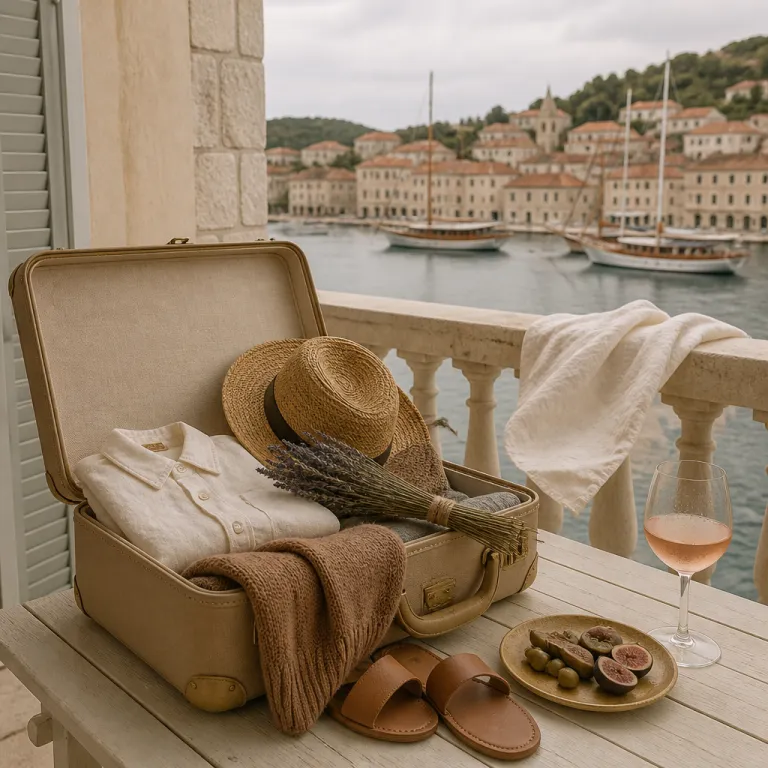
What to do in Hvar, Croatia on your first day in town
Arriving in Hvar Croatia after the ferry from Split feels instantly cinematic. The harbour curves around Hvar town like an amphitheatre, with polished stone palaces, a lively main square, and yachts moored just metres from elegant cafés. For travellers focused on what to do in Hvar Croatia on a first day, the priority is to slow down, orient yourself, and ease into the rhythm of the island.
Start in the heart of Hvar town at St Stephen Square, often called Stephen Square, which functions as the main square and social stage of the island. Order a coffee or a glass of local white wine, then simply watch the choreography of locals, hospitality staff, and tourists as the day unfolds across the polished flagstones. This is also where many guided walking tours begin, making it a practical base for your first exploration of Hvar island.
From the main square, stroll towards the waterfront promenade of town Hvar and follow it west, passing small boats and the occasional beach bar tucked between stone piers. The light is particularly flattering in late afternoon, when the limestone facades glow and you start to understand why so many people rate this as one of the best towns in Croatia. If you are planning to stay Hvar for several nights, this walk helps you identify the best hotels, refined bars, and relaxed ice cream stands you will return to later.
Those wondering about the best time to arrive in Hvar town should aim for mid afternoon, which allows enough daylight for a first orientation walk and a sunset drink. Ferries on the Split–Hvar route are most frequently operated by Jadrolinija and Kapetan Luka, with typical crossing times of one to two hours depending on the vessel. On a typical summer day, you can expect several departures between 9:00 and 19:00, with one-way adult tickets usually starting around €8–€25 depending on speed and class. Luxury travellers often arrange private transfers from Split with concierge teams, but independent visitors can just as easily combine the ferry with a pre booked car service or a licensed taxi waiting at the port. Either way, your first day on Hvar island should be gentle, unhurried, and focused on absorbing the atmosphere rather than ticking off too many things Hvar has to offer at once.
Historic Hvar town: fortresses, monasteries, and refined evenings
Once you have settled into your chosen address among the best hotels, the question of what to do in Hvar Croatia naturally turns towards history and architecture. Hvar town is compact yet layered, with Venetian palaces, stone alleys, and defensive walls rising above the harbour. A structured walking tour with local guides is one of the best things you can book on your first full day.
Begin by climbing towards the Spanish fortress, also known locally as Fortica or Španjola, which crowns the hill above town Hvar and dates back to the period of Venetian rule. The path starts near the main square and winds through terraced gardens scented with pine and rosemary, taking around twenty minutes at a relaxed pace. From the ramparts of the fortress, you enjoy a sweeping view of Hvar island, the harbour, and the Pakleni islands scattered like stepping stones across the Adriatic.
Many visitors ask local tourism offices the same question: "What are the must-see attractions in Hvar?" and the official answer is clear: "Fortica Fortress, St. Stephen's Cathedral, and the Pakleni Islands." After descending from the Spanish fortress, step into the cool interior of St Stephen Cathedral on Stephen Square, where stone carvings and quiet chapels offer a contrast to the lively cafés outside. A short walk along the waterfront brings you to the Franciscan monastery, whose cloister, small museum, and cypress shaded garden provide another calm interlude in the middle of the day.
Entrance fees for the main cultural sights are modest by European standards and are usually paid in cash or by card at the gate; opening hours tend to follow a late-morning and late-afternoon pattern, with extended times in July and August. For travellers interested in slow luxury, reading about the island’s more secluded retreats can enrich your planning, and an in depth review such as the one on Maslina Resort on Hvar illustrates how high end properties are reinterpreting Adriatic hospitality. In the evening, return to the main square of Hvar town for an aperitif before dinner, when the façades are softly lit and the atmosphere feels particularly elegant. This is the perfect time to reflect on the layers of history you have just walked through and to plan which cultural things Hvar you will explore next.
Beaches, beach bars, and coastal day trips around Hvar island
For many guests, the essence of what to do in Hvar Croatia revolves around the sea, and the island offers a wide range of beaches for different moods. Close to Hvar town, you will find small pebble coves and lively stretches of coast where a stylish beach bar sets the tone with loungers, cocktails, and soft music. Families often prefer quieter bays, while couples may choose more secluded spots reached by water taxi or a short car ride.
Hula Hula beach bar, just a short walk west of town Hvar, is one of the top addresses for sunset, with a front row view of the horizon and the silhouettes of the Pakleni islands. Arrive in late afternoon to secure a good position, order a chilled drink, and watch as the sky shifts through shades of gold and rose. If you prefer a more laid back atmosphere, Falko bar further along the coast offers hammocks, pine shade, and a slower tempo that suits guests who want to read, swim, and linger between dips in the sea.
Taxi boats from the harbour typically charge a modest per-person fare for short hops to nearby bays, with higher prices for private transfers or late-evening returns, so it is worth confirming the last departure time before you settle in. Those who are combining several islands on one trip sometimes compare Hvar island with nearby Brač, where new openings such as the waterfront property featured in the article about The Bristol Bol on Brač show how the region’s premium hotel scene is evolving. On Hvar itself, many of the best hotels offer direct access to a private or semi private beach, which is a strong advantage in peak season when public coves can feel crowded. Whether you choose a lively beach with a bar and music or a quiet bay reached by boat, plan at least one full day dedicated purely to the sea.
When you are ready to explore further, consider renting a car for a day to reach more remote beaches on the southern coast of Hvar island, where vineyards and cliffs meet the water. Some travellers prefer to use platforms such as Discover Cars to compare rental options and typical daily rates, while others rely on hotel concierges to arrange a vehicle that suits their itinerary. Either way, having a car for at least one day gives you the freedom to chase the best beach conditions and to experience the island’s varied coastline beyond Hvar town.
Pakleni islands by boat: the essential Hvar day on the water
Any serious list of what to do in Hvar Croatia must include a day on the Pakleni islands, the low lying archipelago that faces Hvar town across a narrow channel. These wooded islets are a playground of coves, beach clubs, and walking paths, and they are easily reached by taxi boat or private charter. For many visitors, a Pakleni islands tour becomes the highlight of their stay Hvar.
You can choose between a shared boat tour that visits several bays or a private vessel that allows you to set your own pace and linger where the water looks most inviting. The best things about a flexible Pakleni islands itinerary are the ability to swim in quieter coves before the midday rush and to enjoy lunch at a waterfront restaurant where the catch of the day is grilled over open coals. Ask your skipper or local guides for their personal top recommendations, as conditions and crowds vary from day to day.
Some travellers prefer to rent a small motorboat without a skipper, which is possible for certain engine sizes and allows you to explore the Pakleni islands independently. If you take this route, pay close attention to safety briefings, navigation rules, and weather forecasts, because the channel between Hvar island and the islets can become busy in high season. For those who are less comfortable at the helm, a curated tour with a professional captain is usually the best option.
Between swims, you can walk short trails through pine woods, enjoy an ice cream at a simple kiosk, or settle into a refined beach bar for a long, late lunch. Many luxury travellers choose to align their Pakleni islands day with spa appointments or sunset drinks back at their best hotels in Hvar town, creating a balanced rhythm between sea and comfort. When you return to the harbour in the late afternoon, the view of the Spanish fortress above town Hvar feels even more impressive after a full day on the water.
Stari Grad, olive oil roads, and the quieter side of Hvar island
While Hvar town draws much of the attention, anyone asking what to do in Hvar Croatia should reserve at least one day for Stari Grad and the island’s interior. Stari Grad, whose name literally means "old town", is one of the oldest settlements in Croatia and offers a gentler, more residential atmosphere than the lively harbour of Hvar town. The waterfront promenade here is lined with stone houses, small cafés, and moored fishing boats that speak to a different rhythm of life.
To reach Stari Grad from Hvar town, you can drive across the island by car in around thirty minutes, passing lavender fields, vineyards, and dry stone terraces that form part of the UNESCO listed Stari Grad Plain. Many visitors choose to rent a vehicle through services such as Discover Cars, especially if they plan to combine Stari Grad with inland villages and viewpoints in a single day. Cycling routes also cross this fertile central valley, offering an eco friendly way to experience the landscape if you are comfortable with moderate distances and summer temperatures.
One of the most rewarding things Hvar offers beyond its beaches is the chance to taste local olive oil directly at family run estates, where groves have often been tended for generations. A guided olive oil tasting typically includes several varieties, explanations of production methods, and pairings with bread, cheese, and sometimes local wine. These experiences connect you to the agricultural heritage of Hvar island and support the local economy in a tangible way.
After exploring Stari Grad and the surrounding countryside, return to Hvar town in time for an evening stroll along the harbour and perhaps a final drink at Falko bar or another favourite spot. This combination of historic town, rural landscape, and coastal relaxation illustrates why Hvar Croatia appeals to travellers who want more than a simple beach holiday. It also shows how a well planned itinerary can balance the best things about both Hvar town and Stari Grad without feeling rushed.
Planning your stay in Hvar: where to sleep, eat, and linger
Choosing where to stay Hvar is a central part of planning what to do in Hvar Croatia, especially for guests seeking luxury or premium comfort. Hvar town concentrates many of the best hotels, ranging from heritage properties in restored palaces to contemporary seafront resorts with pools and private jetties. When comparing options, pay attention to walking distance from the main square, direct sea access, and the level of concierge support you expect.
High season on Hvar island coincides with warm temperatures that regularly reach around 30 °C, and the Croatian Meteorological and Hydrological Service (CMHS, 2022 climate summary) notes that these conditions define the classic Adriatic summer. Because of this, booking early is essential if you want specific room categories or suites with sea views, especially in the most sought after addresses of town Hvar. Hospitality staff in these properties are accustomed to arranging private tours, restaurant reservations, and transfers, which can significantly enhance your experience.
Dining in Hvar Croatia ranges from simple konobas serving grilled fish to refined restaurants that reinterpret Dalmatian cuisine with a modern touch. Look for menus that highlight local olive oil, seasonal vegetables, and fresh seafood, and do not hesitate to ask for recommendations from hotel concierges or local guides. For dessert, a stroll around the harbour with an ice cream in hand is almost a ritual, especially on warm evenings when the promenade is full of life.
When planning the logistics of your trip, consider how you will connect Hvar with Split and other destinations along the Dalmatian coast, and resources such as the cultural calendar for Split on this in depth guide can help you align travel dates with events. Many travellers choose to rent a car for only part of their stay, using services like Discover Cars for flexible pick up and drop off arrangements that suit ferry schedules. Whether you arrive as a couple, a family, or a group of friends, a carefully planned stay Hvar allows you to enjoy the best things the island offers without feeling constrained by logistics.
Seasonality, practical tips, and how long to stay on Hvar island
Understanding the rhythm of the seasons is crucial when deciding what to do in Hvar Croatia and how long to stay. Tourism authorities estimate that around 200 000 annual tourists visit Hvar island, with the majority arriving in the warmest months when the sea is most inviting. This concentration of visitors shapes everything from restaurant reservations to the availability of the best hotels in Hvar town.
Spring and autumn are widely regarded as the best time to visit for travellers who prioritise comfort, space, and a more relaxed pace. Official guidance from local tourism boards answers the question "What is the best time to visit Hvar?" with a clear recommendation: "Spring and autumn offer pleasant weather and fewer crowds." During these shoulder seasons, walking tours of Hvar town, excursions to the Pakleni islands, and day trips to Stari Grad feel more spacious, while sea temperatures remain comfortable for swimming well into early autumn.
Summer remains the top choice for those who want a lively atmosphere, extended opening hours, and a full programme of events across Hvar Croatia. The average summer temperature of around 30 °C, reported by the Croatian Meteorological and Hydrological Service (CMHS, 2022), means that beach days, late dinners, and evening drinks at a beach bar or at Hula Hula are almost guaranteed. If you travel in this period, book accommodation, restaurant tables, and popular tours such as the Spanish fortress walk or Pakleni islands boat trips well in advance.
As a rule of thumb, plan at least three full days on Hvar island if you want to experience Hvar town, a Pakleni islands tour, and a visit to Stari Grad without rushing. Guests who are particularly interested in wellness, gastronomy, or slow travel often extend their stay Hvar to five or seven days, using the island as a base for deeper exploration of Dalmatia. Whether you arrive by ferry from Split, by private yacht, or as part of a longer Croatian itinerary, a thoughtful balance of town time, beach time, and inland excursions will ensure you experience the most rewarding things Hvar has to offer.
Key figures for planning a refined stay in Hvar Croatia
- Hvar island welcomes around 200 000 annual tourists, according to the Croatian National Tourist Board (CNTB, 2022 arrivals report), which means premium accommodation in Hvar town can sell out quickly in peak months. You can consult the latest statistics directly on the official CNTB website.
- The average summer temperature on Hvar reaches approximately 30 °C, based on data from the Croatian Meteorological and Hydrological Service (CMHS, 2022 climate bulletin), creating ideal conditions for beach days and Pakleni islands excursions. Updated climate summaries are available on the CMHS portal.
- Tourism on Hvar operates year round, but services are most extensive from late spring to early autumn, while winter brings a quieter atmosphere and reduced opening hours in town Hvar.
- Walking tours, boat excursions, and cycling routes are the primary methods recommended by local partners for exploring Hvar Croatia, reflecting a growing interest in eco friendly and experiential travel.
FAQ: refined travel planning for Hvar Croatia
What are the must see attractions in Hvar for first time visitors ?
First time visitors should prioritise the Spanish fortress (Fortica/Španjola) above Hvar town, St Stephen Cathedral and the main square, the Franciscan monastery on the waterfront, and at least one day trip to the Pakleni islands. These sites together offer a balanced view of Hvar Croatia, combining history, architecture, and coastal scenery. A guided walking tour on your first full day is an efficient way to connect these highlights.
Is Hvar suitable for family vacations in premium hotels ?
Hvar island works very well for families, especially those choosing premium or luxury hotels with pools and easy sea access. Children enjoy the beaches, boat trips to the Pakleni islands, and relaxed evenings on the promenade of Hvar town or Stari Grad. Parents appreciate the safety, walkability, and the support of experienced hospitality staff in the best hotels.
How many days should I plan to stay in Hvar Croatia ?
A minimum of three full days is recommended if you want to experience Hvar town, a Pakleni islands tour, and a visit to Stari Grad without rushing. Travellers who value slow travel, gastronomy, or wellness often extend their stay Hvar to five or more days. This longer duration allows time for beach days, olive oil tastings, and spontaneous walks without a strict schedule.
What is the best time of year to visit Hvar for comfortable weather ?
Spring and autumn offer the best balance of pleasant temperatures, fewer crowds, and open services across Hvar Croatia. Summer brings the warmest sea, the liveliest nightlife, and the fullest event calendar, but also higher demand for the best hotels and restaurants. Winter is quiet, with limited services, and suits travellers who prioritise tranquillity over beach activities.
Do I need a car to enjoy the best things Hvar offers ?
You can enjoy many of the best things in Hvar town, including the Spanish fortress, the main square, and nearby beaches, entirely on foot or by taxi boat. However, renting a car for at least one day allows you to reach Stari Grad, inland villages, and more remote beaches on Hvar island. Many visitors use services such as Discover Cars or hotel concierge teams to arrange flexible rentals that fit their itinerary.
Trusted references for further planning
- Croatian National Tourist Board (CNTB)
- Croatian Meteorological and Hydrological Service (CMHS)
- Hvar Tourist Board