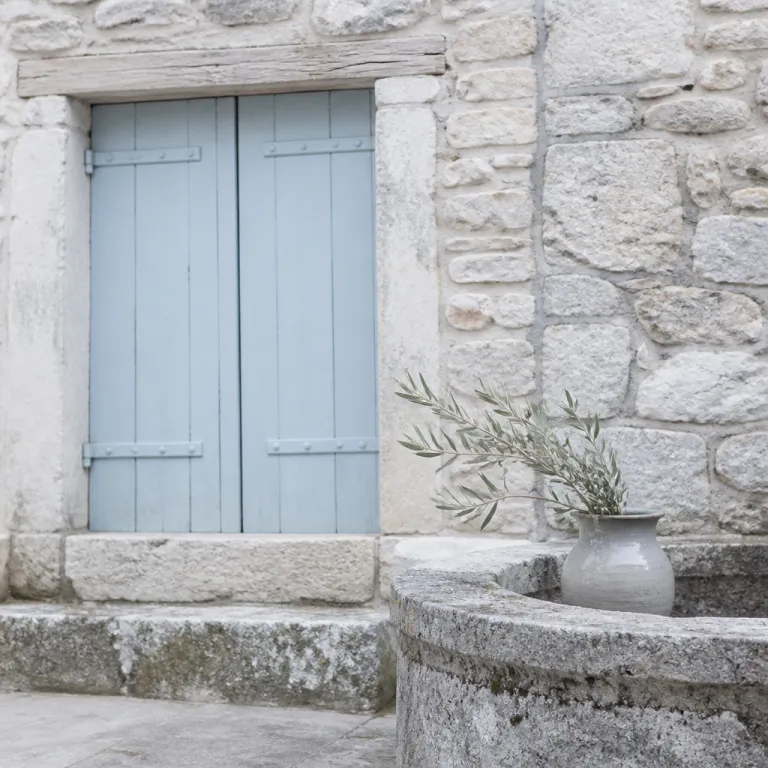
Why inland Istria villages in Croatia matter once you know the coast
Once you have walked the waterfront of Rovinj town, the real intrigue begins inland where stone villages in Istria, Croatia trade sea views for silence. This is where the main promise behind the phrase inland Istria villages Croatia becomes tangible, as the road climbs from the Adriatic Sea into a landscape of vineyards, olive groves and hill town silhouettes that feel suspended between the Middle Ages and a very current form of rural luxury. For travelers who already know the Croatian coast and want the best balance between heritage and comfort, these inland villages in Croatian Istria offer a quieter, more layered stay than many coastal towns.
The region sits on the wider Istrian Peninsula, a crossroads between Croatia and Italy that has shaped every town, every menu and every stone façade. You feel the Croatian Italian story in the bilingual signs, in the Italian coffee culture and in the way an Istrian host will talk about both Pula and Trieste in the same breath, while still insisting that the best Croatia experiences now happen in the countryside rather than only on the coast. Inland villages Istria wide, from Motovun to Grožnjan, have become a discreet answer for guests who want the atmosphere of a medieval town without the cruise ship energy of a bigger city.
Rovinj itself remains one of the best towns in Istria County, but the most interesting days start when you drive away from town Rovinj and let the road curve toward the interior. Within thirty minutes you can move from the pastel harbour of the rovinj town to a hill town terrace where you hear only church bells and the clink of Malvazija glasses, a shift that explains why many seasoned visitors now split their stay between the coast and inland villages. For anyone planning a refined route between Croatia and Slovenia or even sailing from Venice to Croatia across the Adriatic Sea, building time in these stone villages turns a good itinerary into one of the best Croatia journeys you can design.
The hill towns: Motovun, Grožnjan, Oprtalj and Hum
The classic inland Istria villages Croatia itinerary usually starts with Motovun, the most photographed hill town in the region and a place that still feels surprisingly lived in once the day trippers leave. Motovun rises above layered terraces of vineyards and olive groves, its medieval walls and stone lanes recalling the Middle Ages while its small film festival brings a contemporary cultural pulse that keeps the town from becoming a museum. Stay in one of the restored stone houses just below the main square and you can watch morning mist lift over central Croatia Istria while planning a day that moves easily between truffle hunting, wine tasting and slow walks along the ramparts.
Grožnjan and Oprtalj, two smaller towns Istria insiders love, offer a different rhythm and a slightly more bohemian edge. Grožnjan’s lanes fill with musicians and painters in summer, yet even then the town feels intimate, with views stretching across the Istrian Peninsula toward both Croatia and Slovenia and, on a clear day, all the way to Italy. Oprtalj sits higher and quieter, its Austro Hungarian era details and faded facades giving it a cinematic quality that pairs well with long lunches on terraces where you taste some of the best Croatian olive oils and local Malvazija wines, ideally after reading a serious traveler’s introduction to Croatian wine on a dedicated guide to Malvazija and other regional varieties.
Hum, often called one of the smallest towns in the world, feels more like a hamlet yet still carries the full weight of a medieval town plan. Its stone gate, tiny church and compact square show how a Croatian town could function at a miniature scale, while the surrounding villages Istria wide reveal how people now restore old farmhouses into discreet luxury retreats. Together these hill towns and their neighboring inland villages form a network of places where the best towns for a countryside stay are measured less by nightlife and more by how quickly you can step from your room into the surrounding landscape.
Rural luxury in Croatian Istria: agriturismo, stone houses and olive groves
Luxury in inland Istria villages Croatia rarely means marble lobbies or skyline views ; it means waking up in a restored stone house where the owner is pruning vines outside your window. Many of the most interesting stays in Croatian Istria follow an agriturismo model, with families opening their farmsteads to guests who want to understand how the region’s olive groves, vineyards and kitchen gardens shape daily life. These properties often sit just outside a hill town, giving you the choice between walking into a medieval centre for dinner or staying in to eat whatever your host has pulled from the oven and the cellar.
The architecture reflects the layered history of Istria County, where Austro Hungarian influences meet Italian stonework and Croatian practicality in thick walls and deep loggias designed for both summer heat and winter winds. Inside, the best properties keep original beams and stone arches while adding contemporary comforts, from heated pools to serious wine fridges stocked with Malvazija and Teran from across the Istrian Peninsula and even from further south in Istria Dalmatia. This is a form of rural luxury that feels grounded rather than showy, and it suits travelers who prefer a long table under a fig tree to a crowded hotel bar in a larger city.
Food culture anchors the experience, with truffles, wild asparagus and local cheeses appearing on menus that change with the seasons and with whatever the land offers. Many hosts will happily arrange truffle hunts in the forests below Motovun, olive oil tastings that compare different parts of Croatia Istria and even day trips to Pula or Rovinj so you can contrast inland calm with coastal energy. If you want a deeper sense of how countryside hospitality works across the country, it is worth reading about timeless elegance in the Croatia countryside on a dedicated countryside elegance guide before choosing which inland villages to book.
Balancing heritage and tourism: how the region stays beautiful and livable
As interest in inland Istria villages Croatia grows, the region faces a delicate balance between preservation and development. Many medieval towns were semi abandoned only a few decades ago, and the current wave of restoration has brought both welcome investment and new pressure on infrastructure, housing and local culture. Municipalities across Istria County now work to ensure that the best towns for visitors remain real communities first, with year round residents, schools and services that keep life going long after the last summer guest has left.
Regulations often limit how properties in a historic hill town can be altered, which protects the skyline of places like Motovun and Grožnjan while sometimes frustrating investors who want faster returns. This tension is visible in debates about parking outside old walls, about how many restaurants a small town can support and about whether more events like the Motovun film festival should be encouraged or capped. The aim is to keep these towns Istria wide from turning into stage sets, preserving the feeling that you are walking through streets that have evolved since the Middle Ages rather than through a theme park version of the past.
For travelers, this careful management translates into a more authentic stay, even if it means accepting that not every service will be available at every hour as it might be in a larger Croatian city. You might need to drive ten kilometres to reach a supermarket, but you gain the chance to talk with a winemaker about how climate shifts are affecting vineyards across Croatia and Slovenia or to hear a local explain how Austro Hungarian rule still shapes land ownership patterns. When you plan your route between the coast and the interior, consider using a refined coastal escape such as the sailing routes from Venice to Croatia described on a detailed ferry and sailing guide as a framework, then adding extra nights inland to support communities that are investing in thoughtful, sustainable hospitality.
Practical planning: getting around, pairing coast and countryside, and investor interest
Planning a stay in inland Istria villages Croatia is straightforward if you accept one non negotiable fact ; you need a car. Distances are short, with most inland villages within thirty minutes of the coast, but public transport remains limited and taxis are rare once you leave larger towns like Rovinj or Pula. Renting a compact car in a Croatian city and driving into the interior gives you the freedom to move between a hill town lunch, an afternoon swim on the coast and an evening tasting in a cellar without watching the clock.
A smart itinerary pairs two or three nights on the coast with at least three nights inland, ideally in one of the villages Istria travelers return to repeatedly such as Motovun or Grožnjan. This structure lets you enjoy the full Adriatic Sea atmosphere of a place like town Rovinj, with its Italian influenced cafés and Croatian seafood restaurants, before retreating to the quieter rhythm of inland villages where the loudest sound at night is often the wind in the cypress trees. Many guests now split their time between Croatian Istria and Istria Dalmatia further south, using the interior as a calm midpoint between more intense coastal stays.
Investor interest has followed this shift, with buyers from the United Kingdom, Germany and Italy restoring old stone houses across Croatia Istria for both personal use and high end rentals. The most sought after properties sit on the edges of hill towns or among olive groves with long views toward the coast, offering the feeling of seclusion while keeping the best towns and the sea within easy reach. For travelers using platforms like mycroatiastay.com to filter options, focusing on restored farmhouses and small rural estates rather than large complexes will usually yield stays that feel truer to the character of the Istrian Peninsula and to the layered Croatian Italian history that makes this region so compelling.
Rovinj, Pula and the coastal frame around inland Istria
Even if your main goal is to experience inland Istria villages Croatia, the coast remains an essential part of the story. Rovinj town provides the most elegant base, its peninsula Old Town curving into the Adriatic Sea like a stage set, yet the real luxury lies in using this Croatian coast icon as a gateway rather than a final destination. Spend a night or two in town Rovinj, then drive inland at sunrise and you will feel how quickly the energy shifts from waterfront bustle to the measured pace of stone villages.
Pula, at the southern tip of the Istrian Peninsula, offers a different coastal counterpoint with its Roman amphitheatre, Austro Hungarian naval heritage and a more workaday Croatian city atmosphere. Many travelers arrive here by plane, spend a day exploring the amphitheatre and nearby coast, then head north toward the hill town belt that arcs behind Rovinj and beyond. This route gives a clear sense of how the region connects, from the ancient stones of Pula to the medieval walls of Motovun and the artist studios of Grožnjan, all within a compact radius that makes Istria one of the best Croatia regions for a week long trip.
Seen together, the coast and the interior show why Croatian Istria stands apart from other parts of the country such as Istria Dalmatia, where the focus leans more heavily toward islands and larger resort towns. Here the interplay between Italian and Croatian influences, between city and village, between sea and inland villages, creates a layered experience that rewards slow travel and repeat visits. If you have already walked every lane of Rovinj and swum off its rocks, the next logical step is to turn your attention to the stone villages behind it, where the light is softer, the nights are quieter and the sense of time feels pleasingly unhurried.
FAQ
Is a car essential for visiting inland Istria villages in Croatia ?
Yes, a car is effectively essential if you want to explore inland Istria villages in Croatia with any real freedom. Public transport between hill towns is limited, and taxis are scarce once you leave larger centres like Rovinj or Pula. With a rental car you can comfortably combine medieval towns, countryside wineries and quick detours to the coast in a single day.
How many days should I spend in the inland villages versus the coast ?
A balanced itinerary usually includes at least three nights in inland villages and two or three nights on the coast. This split gives enough time to experience a hill town at different times of day while still enjoying the Adriatic Sea atmosphere in Rovinj or Pula. Travelers with a week or more often add extra inland nights to slow the pace and explore smaller villages Istria wide.
Which inland towns in Istria are best for a first visit ?
Motovun, Grožnjan and Oprtalj are excellent starting points for a first inland Istria trip. Motovun offers the most services and a strong sense of history, Grožnjan brings a lively arts scene and Oprtalj feels quieter and more contemplative. Many travelers choose one as a base and then make day trips to Hum and surrounding villages.
Can I combine inland Istria with other regions like Dalmatia in one trip ?
Combining inland Istria with Dalmatia works well if you have at least ten days. Many itineraries start in a Croatian city such as Pula or Rijeka, continue through the inland villages behind Rovinj, then head south toward Zadar, Split or Dubrovnik. This route highlights the contrast between the compact, Italian influenced Istrian Peninsula and the more island focused landscapes of Dalmatia.
What type of accommodation suits luxury travelers in inland Istria ?
Luxury travelers usually gravitate toward restored stone houses, small rural estates and agriturismo style properties rather than large hotels. These stays often include pools, serious wine programs and access to private experiences such as truffle hunts or olive oil tastings. Booking through a curated platform that focuses on premium Croatian stays helps ensure that the property’s service level matches its setting.
Sources
Lonely Planet Croatia ; Bradt Guide to Istria ; Croatian National Tourist Board.