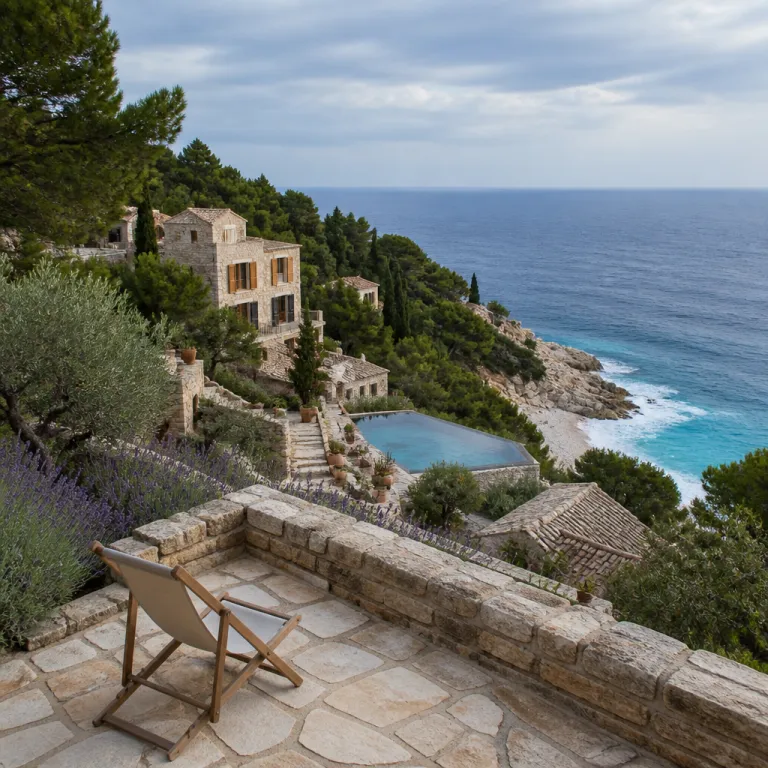
Where to stay in Hvar Croatia when the harbor no longer thrills
Once you have done the promenade along the main harbor in Hvar Town, the real question becomes where to stay in Hvar Croatia for quieter luxury. The answer lies away from the waterfront clubs, in parts of Hvar Island where the sea feels closer, the streets softer, and the hotels more in tune with the landscape. Choosing the right town or cove on this island will shape every restaurant reservation, every swim, and every boat trip you take.
Think of Hvar as two parallel worlds; the first is the glossy strip of Hvar Town, with its superyachts, loud bars, and a few headline properties like Palace Elisabeth heritage hotel that overlook the square. The second world stretches from Stari Grad to Jelsa and Vrboska, where stone houses, pine forests, and low key beach bays host some of the island’s best hotels and most characterful apartments. If you are asking where to stay on Hvar Croatia for a refined couple’s escape, you almost always want that second world.
Hvar Island is compact enough to cross by car in under an hour, yet each town has a distinct rhythm. Stari Grad feels contemplative and historic, Jelsa is relaxed and family friendly, while Vrboska wraps around its tiny canals with a quietly romantic air. Deciding where to stay on Hvar Island is less about distance and more about which atmosphere you want to wake up to every time you step out of your hotel.
Stari Grad and Jelsa: when you want heritage and breathing space
If Hvar Town is the island’s stage, Stari Grad is its memory, and it is often the town best suited to travelers who have outgrown the harbor scene. The stone lanes here feel lived in rather than curated, and staying in a restored heritage hotel or elegant apartments around the waterfront gives you sea views without the late night soundtrack. “Is Stari Grad suitable for families?” and “Are there beaches in Jelsa?” are questions that often come up, and the official answers are reassuringly clear.
“Is Stari Grad suitable for families? Yes, it's family-friendly with a relaxed atmosphere.” That relaxed atmosphere also suits couples who want a place to stay where they can walk to small restaurants, sip local wine, and still be back at their base before midnight. From Stari Grad, you can reach Dubovica cove or the southern beach bays by car in under 30 minutes, which makes it easy to combine culture, sea, and privacy during a single stay. For a boutique option in the old town, Heritage Villa Apolon offers a refined setting close to the waterfront, while Maslina Resort, a short drive away, blends contemporary design with a strong focus on wellness.
Jelsa, further along the island, offers a softer, more open setting with pine shaded promenades and several beaches within walking distance of the main town. “Are there beaches in Jelsa? Yes, Jelsa has several family-friendly beaches.” For couples, that translates into easy morning swims, long lunches in waterfront restaurants, and unhurried evenings back at mid range hotels on Hvar side streets, far from the harbor noise of Hvar Town. If you like the idea of island hopping beyond Hvar Island, look at refined island luxury guides such as this Brijuni archipelago feature to understand how Croatian heritage hotels are evolving, and consider Jelsa as a calm base with regular catamaran links in high season.
Vrboska, Dubovica and the southern shore: intimate coves and sea views
Vrboska is where to stay on Hvar Island when you want a small scale, almost village like setting with strong character. The town curves around a narrow inlet, crossed by stone bridges that have earned it the nickname “little Venice”, and many apartments and small hotels line the water with direct sea views. It is a place to stay on Hvar if you value quiet mornings, short walks to restaurants, and the feeling that the island still belongs to its residents.
From Vrboska, you can drive to Dubovica, one of the island’s most beautiful coves, in around 25 minutes by car along the main road towards Hvar Town. “How to reach Dubovica? Accessible by car, followed by a short walk.” That short walk drops you into a perfect beach bay with clear water, a stone house at the edge of the sea, and enough space to feel far from any resort, even in peak time. Staying in this part of the island lets you visit Dubovica early or late, avoiding the day trip crowds that pour in from Split, and you can expect to pay a modest parking fee along the main road during high season.
The southern shore of Hvar Island, reached by a tunnel from the Stari Grad plain, hides a string of small beach bays and low key resorts facing open sea. Here, the best hotels are often smaller properties or villas set above the water, where every terrace frames long sea views and sunsets feel almost private. If wellness matters to you, pair your stay with ideas from guides to outdoor wellness on Croatian islands, such as this focus on open air spa experiences, and choose a place to stay where you can swim, hike, and eat well without leaving your cove. Well located villas in this area usually require a rental car, but they reward you with direct access to the sea and a quieter rhythm than the main harbor towns.
Hvar Town rethought: when to book, where to sleep, what to avoid
There are still compelling reasons to stay in Hvar Town, especially if you choose your hotel and timing carefully. The main square, framed by Palace Elisabeth heritage hotel and the cathedral, remains one of the most atmospheric urban spaces on any Croatian island, and waking up to those sea views can feel magical. The trick is to treat Hvar Town as a base in shoulder season, not as a summer long stage.
In high summer, the harbor front becomes a party corridor, and many waterfront apartments and some properties on central side streets suffer from late night noise. If you want to be central without the chaos, look for accommodation set one or two streets back from the main promenade, or higher up the hill towards the Spanish Fortress. Always check availability early for the best hotels, and read recent guest feedback carefully to see where the noise lines fall at different times of the season, paying attention to comments about music from bars and clubs.
For couples who have outgrown the club circuit, the best time to stay in Hvar Town is late spring or early autumn, when the average daytime temperature sits comfortably below the 30 °C summer peak recorded by the Croatian Meteorological and Hydrological Service (for example, August 2022 data for Hvar station, CMHS, accessed 2023). During these weeks, you can still enjoy excellent restaurants, refined wine bars, and easy boat trips to the Pakleni Islands without the day trip crush. For a deeper sense of how Croatian coastal hotels change after the crowds leave, look at shoulder season perspectives such as this Adriatic September guide and apply the same logic to your Hvar stay.
Hotels versus villas and apartments: what the premium really buys you
On Hvar Island, the choice between a traditional hotel, serviced apartments, or a private villa is less about status and more about how you want to use your time. A well run hotel in Stari Grad or Jelsa gives you daily housekeeping, concierge style help with boat trips, and often a restaurant that understands local wine lists better than most. In Hvar Town, a premium hotel such as Palace Elisabeth adds heritage architecture, polished service, and front row access to the island’s cultural events.
By contrast, apartments scattered around Stari Grad, Jelsa, and Vrboska can offer more space and privacy, especially if you are staying for a week or longer. Many of these apartments sit just back from the sea, with partial sea views and easy access to small beaches, but they rarely include the full resort level services that some couples expect. When you compare prices, remember that the premium for a hotel stay often buys you better soundproofing, more reliable air conditioning, and staff who can secure last minute restaurant reservations or private boat trips to the Pakleni Islands. In peak season, mid range hotels on Hvar typically start from the lower hundreds of euros per night, while simple apartments can be significantly cheaper but require more self management.
Private villas on Hvar Island, especially along the southern shore or above Stari Grad, work best for groups of friends or families who plan to rent a car and stay mostly in one place. For a couple, the best hotels or a high quality heritage hotel in a town setting usually strike a better balance between intimacy and access. Whatever you choose, always check availability early for peak dates, and be wary of overpriced waterfront apartments in Hvar Town that trade on location while skimping on comfort.
Practical logistics: ferries, cars, seasons and using Hvar as your island hub
Reaching Hvar Island usually means taking a car ferry to Stari Grad or a passenger catamaran directly to Hvar Town from Split. The main operators on these routes include Jadrolinija and Kapetan Luka, with car ferries from Split to Stari Grad typically taking around two hours and passenger catamarans to Hvar Town running in roughly one hour. If you plan to explore several towns and beach bays, renting a car is almost essential, as it lets you move easily between Stari Grad, Jelsa, Vrboska, and the southern coves.
The island’s compact size means that wherever you choose your place to stay, you are rarely more than 30 to 40 minutes from another town. Summer remains peak time, with around 200 000 tourist visits to Hvar recorded annually by the Croatian National Tourist Board (for instance, pre pandemic 2019 statistics for the island, CNTB, accessed 2023), and that has clear implications for where to stay. In July and August, the harbor zone in Hvar Town is at its loudest, while Stari Grad and Jelsa absorb the same seasonal energy more gently, thanks to their broader layouts and more residential feel.
Spring and autumn bring milder temperatures, fewer day trippers, and a better balance between hotel rates and restaurant quality, which is why many repeat visitors now consider these months the best time to stay Hvar wise. Using Hvar as a base for wider island hopping works well if you stay near a harbor with regular boat trips. From Hvar Town, you can reach the Pakleni Islands in minutes, while from Stari Grad or Jelsa you can drive to catch ferries towards Brač or even onward connections to Vis via Split.
Key figures for planning your stay on Hvar Island
- Average summer temperatures on Hvar reach around 30 °C according to the Croatian Meteorological and Hydrological Service (recent August averages for Hvar station, CMHS climate data, accessed 2023), which makes early morning and late afternoon the most comfortable times for beach and town walks.
- Hvar records approximately 200 000 tourist visits per year based on Croatian National Tourist Board data for the island in 2019 (CNTB tourism statistics, accessed 2023), so booking hotels and apartments early is essential if you want the best hotels and quieter locations.
- The drive from Stari Grad ferry port to Hvar Town typically takes about 25 to 30 minutes by car, which means you can stay in one town and still dine or explore in another without losing much time.
- Dubovica cove is accessible by car followed by a short walk, so staying anywhere along the main island road between Stari Grad and Hvar Town keeps this beach bay within easy reach.
FAQ: where to stay on Hvar when you want more than the harbor
Is Stari Grad a better base than Hvar Town for a quiet stay?
Stari Grad is generally quieter than Hvar Town, with a historic center that feels residential rather than party focused. You still get good restaurants, sea views, and access to the rest of the island, but without the late night noise of the main harbor strip. For couples seeking calm, it is often the town best suited to longer stays.
Are there good beaches near Jelsa and Vrboska?
Both Jelsa and Vrboska have several beaches within walking distance or a short drive, including family friendly coves and more secluded spots. Jelsa offers gently shelving beaches ideal for relaxed swims, while Vrboska has smaller, rockier bays with clear water. Renting a car lets you reach additional beach bays along the southern shore in under 30 minutes.
Do I need a car on Hvar Island if I stay outside Hvar Town?
A car is highly recommended if you stay in Stari Grad, Jelsa, Vrboska, or the southern coves, because public transport between towns is limited and infrequent. With a car, you can combine heritage walks, restaurant visits, and different beaches in a single day. It also makes it easier to reach Dubovica and other coves that require a short walk from the main road.
When should I book my hotel on Hvar for peak season?
For July and August stays, you should check availability and book your preferred hotel or apartments several months in advance, especially in smaller towns like Stari Grad and Vrboska. The island’s most sought after properties and best hotels often sell out early for sea view rooms. Shoulder season dates are more flexible, but early booking still secures better rates and room choices.
Is Hvar suitable for families as well as couples?
Hvar works well for both families and couples, provided you choose the right town and area. Stari Grad and Jelsa are particularly family friendly, with calmer streets and accessible beaches, while Hvar Town suits couples who enjoy nightlife outside the peak party zone. Vrboska and the southern coves are ideal for travelers who prioritize quiet, sea views, and intimate places to stay.