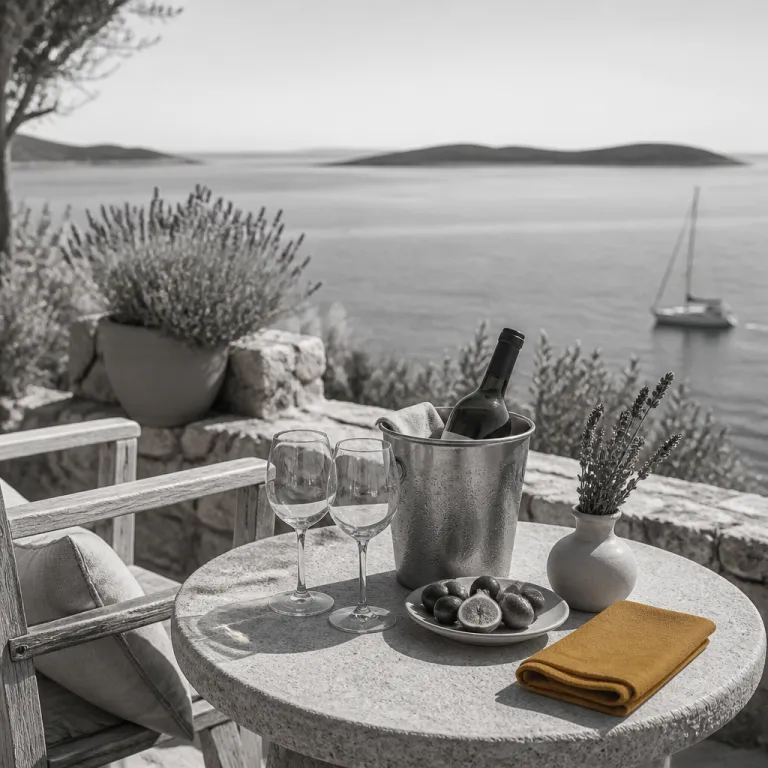
Elegant coastal rhythms in Hvar town for luxury‑minded travellers
Working out what to do in Hvar starts naturally in Hvar town, where polished stone lanes, a glittering harbour, and refined hotels create a sophisticated Adriatic stage. On this part of Hvar island, the focus is on slow luxury, so plan your day around light, sea, and time rather than a rigid checklist of sights. This approach suits travellers booking premium stays in Croatia who want every hour to feel curated, not rushed.
The main square, officially St Stephen’s Square yet often simply called Hvar’s main piazza, is your elegant compass point. From here, a five minute walk brings you to the waterfront promenade, where high end yachts line up beside heritage façades and where the best people watching unfolds over morning coffee. Many luxury hotels, such as Palace Elisabeth or Riva Marina, frame views of this square, so you can stay in Hvar town and step straight from your suite into the island’s social heart.
Above the roofs rises the Spanish fortress, also known as Fortica, which is one of the essential things Hvar offers to first time visitors. The walk up to this fortress takes around twenty minutes along a signed path, and the climb rewards you with a sweeping panorama of Hvar town, the Pakleni islands, and the wider Adriatic. Fortica usually opens from mid morning until late evening in summer (typically around 9:00–21:00), with slightly shorter hours in spring and autumn, so arriving in the late afternoon, when the light softens and the island glows, helps you understand why this view alone makes a stay in Hvar worth the journey.
Luxury travellers often ask how to balance sightseeing with relaxation during a short stay on Hvar island. A refined answer is to divide your day into three chapters, starting with culture in the morning, sea and beach in the afternoon, and gastronomy and bar life in the evening. This rhythm lets you experience the best things about Hvar town without sacrificing the unhurried feel that defines premium coastal escapes in Croatia.
Heritage highlights and slow cultural pleasures around Hvar town
Once you have oriented yourself around St Stephen’s Square, turn your attention to Hvar’s layered history and its quieter corners. One of the most atmospheric places to visit is the Franciscan monastery, set a short walk from the harbour and surrounded by cypress trees and sea views. Inside this monastery, you step away from the bustle of Hvar town and into a space where time seems to slow, which pairs beautifully with the contemplative mood many luxury guests seek.
From the Franciscan monastery, follow the waterfront path for another gentle few minutes and you will find small coves where the water laps against polished rocks. These are not the headline beach spots of Hvar island, yet they are perfect for a private swim before lunch or a quiet pause between activities. For travellers who value discretion, such understated experiences Hvar offers can be more appealing than the most famous beach bar scenes.
Back in the centre of Hvar town, explore the side streets that climb away from the main square toward the Spanish fortress. Here, stone staircases lead past aristocratic houses, tiny chapels, and hidden courtyards scented with jasmine and olive oil from nearby kitchens. This part of the town rewards a slow walk, and it is often where guests staying in luxury hotels realise that the best things about Hvar are not only its beaches but also its lived in urban fabric.
When planning what to do in Hvar for a culture focused day, consider booking a private guided tour through a reputable local operator. Many such tours combine the Spanish fortress, the Franciscan monastery, and the harbourfront, and they can be tailored to include wine tastings or olive oil samplings. A typical two to three hour walking tour of Hvar town might start at St Stephen’s Cathedral, continue through backstreets to Fortica, and finish with a glass of local wine on the promenade. One local guide likes to tell guests, “If you follow the smell of rosemary and grilled fish at dusk, you will always find the real Hvar.” This kind of curated approach to Hvar’s heritage ensures every stop in Croatia feels cohesive and elevated.
Island escapes from Hvar town: Pakleni islands and serene bays
No serious guide to what to do in Hvar would omit a day on the Pakleni islands, the low lying islets scattered just offshore from Hvar town. These Pakleni islands form a natural playground of pine scented bays, hidden coves, and stylish beach bar terraces that attract yachts and day cruisers from across Croatia. For luxury travellers, the key is to choose the right boat, the right bay, and the right time of day.
Private skippers and local tour companies offer half day and full day excursions, and a tailored tour of the Pakleni islands is often the highlight of a stay in Hvar. Half day trips typically run from around 10:00–14:00 or 15:00–19:00, while full day charters last six to eight hours and may include lunch stops. Some itineraries focus on swimming and snorkelling in quiet coves, while others emphasise long lunches, chilled wine, and music at a fashionable beach bar. Either way, the contrast between the energy of Hvar town and the relaxed rhythm of these islands makes the experience feel especially worth the investment.
Among the most talked about venues is Carpe Diem, a beach bar and night venue that sits on its own Pakleni island and draws an international crowd. Arriving by boat as the sun dips behind Hvar island, you can move from a late swim to sunset cocktails without ever checking the time. For guests staying in premium hotels in Hvar town, concierge teams can arrange transfers, reservations, and even curated tables, ensuring the logistics of this bar focused evening remain effortless.
Travellers who prefer quieter luxury might ask their skipper to anchor in a secluded bay instead, turning the Pakleni islands into a private lounge of sea and sky. Here, the best things are simple ones, such as a platter of local cheese, bread dipped in fragrant olive oil, and a glass of Dalmatian wine enjoyed on deck. Those combining Hvar with other island stays, perhaps on Korčula where refined island hotels by the sea are gaining attention, often cite this Pakleni day as the most memorable chapter of their Croatian journey.
Stari Grad, lavender fields, and inland elegance on Hvar island
While many visitors focus on Hvar town, understanding what to do in Hvar also means venturing inland and along the northern coast. Stari Grad, one of the oldest settlements in Croatia, offers a calmer, more introspective atmosphere than the main harbourfront of Hvar town. Walking its stone lanes and waterfront promenade gives you a sense of continuity that stretches back centuries.
Luxury travellers often arrange a private transfer or rental car for a day trip from Hvar town to Stari Grad, which takes around thirty minutes across the island. Once in Stari Grad, you can stroll the harbour, visit small galleries, and enjoy a long lunch in a waterside restaurant that focuses on seasonal produce and local olive oil. This slower rhythm contrasts with the more animated energy of Hvar town and shows another side of Hvar island that many guests find deeply worth their time.
Beyond Stari Grad lies the UNESCO listed Stari Grad Plain, a patchwork of stone walled fields that have been cultivated since ancient times. In late spring and early summer, nearby lavender fields begin to colour the landscape, and their scent drifts across the island on warm days. A guided tour that combines the Stari Grad Plain, lavender fields, and tastings of wine and olive oil offers some of the best things Hvar can provide for travellers who value authenticity and terroir.
For guests staying in high end hotels, concierge teams can arrange bespoke itineraries that include Stari Grad, the inland villages, and even farm visits. This kind of curated day balances the glamour of Hvar town with the grounded charm of rural Croatia, creating a more complete sense of place. When travellers later reflect on what to do in Hvar, many say that this inland excursion, away from any beach bar or fortress, gave them their most meaningful island memories.
Beach culture, bar life, and refined evenings in Hvar town
Planning what to do in Hvar during the hottest hours naturally leads to the sea, and Hvar island offers a spectrum of beach experiences for luxury travellers. Some prefer polished hotel platforms with direct access to the water, while others seek pebbled coves framed by pines and low stone terraces. Either way, the combination of clear Adriatic water and attentive service defines the best things about Hvar’s daytime rhythm.
On the coastal path leading from Hvar town, you will find relaxed venues such as Falko bar, a favourite for guests who like a laid back yet stylish setting. This bar, and others along the same stretch, often combine sunbeds, light lunches, and chilled music, turning a simple swim into a half day ritual. A short walk of a few minutes between these spots lets you sample different atmospheres until you find the beach bar that matches your mood.
As the sun lowers, Hvar town shifts from beach culture to evening elegance, and this is where bar life becomes central to what to do in Hvar after dark. Carpe Diem remains the headline name for late night energy, yet many travellers now prefer more intimate wine bars and cocktail lounges tucked behind the main square. Here, you can pair local wine with small plates drizzled in olive oil, or indulge in a carefully made drink before a fine dining reservation.
For a lighter treat, the waterfront promenade of Hvar town is lined with gelaterias where an evening ice cream becomes part of the ritual stroll. Families, couples, and groups of friends all join this gentle walk, which loops from the harbour to the Franciscan monastery and back toward St Stephen’s Square. This simple circuit, repeated on several days of a stay in Hvar, often becomes the thread that ties together beach, bar, and cultural experiences into one coherent island story.
Fortresses, viewpoints, and practical elegance for planning your stay
Hvar’s elevated viewpoints are essential when deciding what to do in Hvar, especially for travellers who appreciate dramatic perspectives on landscape and town. The Spanish fortress above Hvar town is the most famous, yet the Napoleon fortress, located higher on the hill, offers an even broader panorama of Hvar island and the Pakleni islands. Reaching these fortresses involves a steady walk, so comfortable shoes are important, particularly on warm days.
Many visitors time their walk to the Spanish fortress for late afternoon, then continue by car or organised transfer to the Napoleon fortress for sunset. From this vantage point, you can see the full curve of Hvar town, the main square, and the harbour, as well as the outlines of neighbouring islands and the open Adriatic. For photographers and romantically inclined travellers, this combination of fortresses ranks among the best things Hvar can offer.
Practical planning matters when you are arranging a premium stay in Hvar town or elsewhere on Hvar island. Ferries from Split remain the primary gateway, with high speed catamarans taking around one hour to reach Hvar town and car ferries to Stari Grad taking roughly two hours. In peak season, morning and late afternoon departures are most common, so checking current timetables and booking tickets several days ahead is advisable. For those building a broader Croatian itinerary, resources that detail what to visit in Split for a refined coastal escape can help you sequence city and island stays in a way that feels seamless.
Local authorities emphasise that “Summer for beaches; spring and fall for sightseeing.”, and this guidance from the Hvar Tourist Board aligns with how luxury travellers typically structure their time. During peak summer, focus your days on beach, bar, and boat experiences, while in shoulder seasons you can prioritise fortresses, walking tours, and inland excursions. Either way, booking key elements such as private tours, restaurant tables, and preferred room categories well in advance ensures that every day of your stay in Hvar unfolds with the ease and elegance you expect from a premium Croatian escape.
Designing a luxury‑forward Hvar itinerary from Split and beyond
For many travellers, the question is not only what to do in Hvar but how to integrate Hvar island into a wider Croatian journey. The most common route begins in Split, where international arrivals connect easily to ferries and catamarans bound for Hvar town. From there, you can design a sequence of days that moves from urban heritage to island leisure with minimal transit time.
One refined approach is to spend two or three days in Split, focusing on Diocletian’s Palace, waterfront promenades, and high end dining, before sailing to Hvar for a more relaxed rhythm. After several days in Hvar town, including at least one day on the Pakleni islands and one inland excursion to Stari Grad and the lavender fields, you might continue to other islands or coastal regions. This pattern allows you to compare different expressions of Croatian hospitality, from heritage hotels in Split to contemporary seaside resorts elsewhere along the Adriatic.
When planning such an itinerary, consider how each destination expresses its own version of luxury and how Hvar fits within that narrative. Hvar town excels at combining fortress topped views, a lively main square, and polished bar culture, while other islands may prioritise seclusion or wellness. By thinking in terms of experiences rather than just places, you can ensure that every day offers new things while still feeling coherent and worth your travel time.
For travellers who value depth, it can be rewarding to spend a full week on Hvar island, using Hvar town as a base and arranging day trips to Stari Grad, the Pakleni islands, and inland villages. This extended stay in Hvar allows you to move beyond the obvious best things and settle into the island’s daily rhythms, from morning walks along the harbour to late night conversations over local wine and olive oil. In the context of a broader Croatian journey, Hvar then becomes not just a stop between Split and other islands but the emotional centrepiece of your time on the Adriatic.
Key figures and practical statistics for planning Hvar stays
- Hvar records several hundred thousand overnight stays per year, according to the Hvar Tourist Board, which means premium hotels and top restaurants can book out quickly in peak summer.
- The average summer daytime temperature on Hvar is in the mid to high 20s °C, based on data from the Croatian Meteorological Service, so planning beach and boat activities for mornings and late afternoons helps you avoid the hottest hours.
- Tourism on Hvar is highly seasonal, with summer dominated by beach activities, while spring and autumn are better suited to sightseeing, walking tours, and inland excursions.
- Boat excursions to the Pakleni islands typically run as half day or full day tours, with small group trips often starting around mid morning and returning by late afternoon, giving travellers flexibility to combine them with fortress visits or relaxed evenings in Hvar town.
- Comfortable walking shoes, sun protection, and advance bookings for key tours are consistently recommended by local guides as the simplest ways to improve overall visitor satisfaction on Hvar island.
Frequently asked questions about what to do in Hvar
What is the best time to visit Hvar for a luxury stay ?
For beach focused stays with full bar and beach bar service, the summer months are ideal, especially if you want to spend time on the Pakleni islands and enjoy Hvar town’s evening energy. If your priorities include walking tours, fortress visits, and exploring Stari Grad or the lavender fields, spring and autumn offer milder temperatures and fewer crowds. Many luxury travellers choose shoulder seasons to secure preferred suites and more personalised service while still enjoying warm days.
Is Hvar suitable for family trips as well as couples’ getaways ?
Hvar island works well for both families and couples, provided you choose the right area and hotel style. Families often appreciate properties near calmer beaches and easy walks, while couples may prefer central locations in Hvar town with quick access to bars, restaurants, and late night venues such as Carpe Diem. Private boat tours to the Pakleni islands and gentle evening strolls around St Stephen’s Square are experiences that appeal across age groups.
Do I need a car to enjoy the best things in Hvar ?
You can enjoy many of the best things in Hvar town on foot, including the Spanish fortress, the Franciscan monastery, and the main square, so a car is not essential for short stays. However, if you want to explore Stari Grad, inland villages, or the lavender fields at your own pace, renting a car or arranging a private transfer for a day can be worthwhile. Many luxury hotels can organise drivers and tailored tours, allowing you to access more remote parts of Hvar island without the stress of self navigation.
Are there guided tours available for Hvar’s main attractions ?
Yes, local tour operators and guides offer a wide range of walking tours, boat excursions, and culinary experiences that cover Hvar town, the Pakleni islands, and inland areas. Options range from small group walks up to the Spanish fortress to private yacht charters and wine or olive oil tastings in rural estates. Booking these tours in advance, especially in peak season, helps ensure you secure the time slots and service levels that match a premium travel style.
How long should I stay in Hvar to experience the island properly ?
A minimum of three nights in Hvar town allows you to visit the main square, climb to the fortresses, and enjoy at least one day on the Pakleni islands. For travellers who also want to explore Stari Grad, the lavender fields, and quieter bays, five to seven nights on Hvar island provide a more relaxed and comprehensive experience. This longer stay in Hvar fits naturally into a wider Croatian itinerary that might also include Split and other Adriatic destinations.