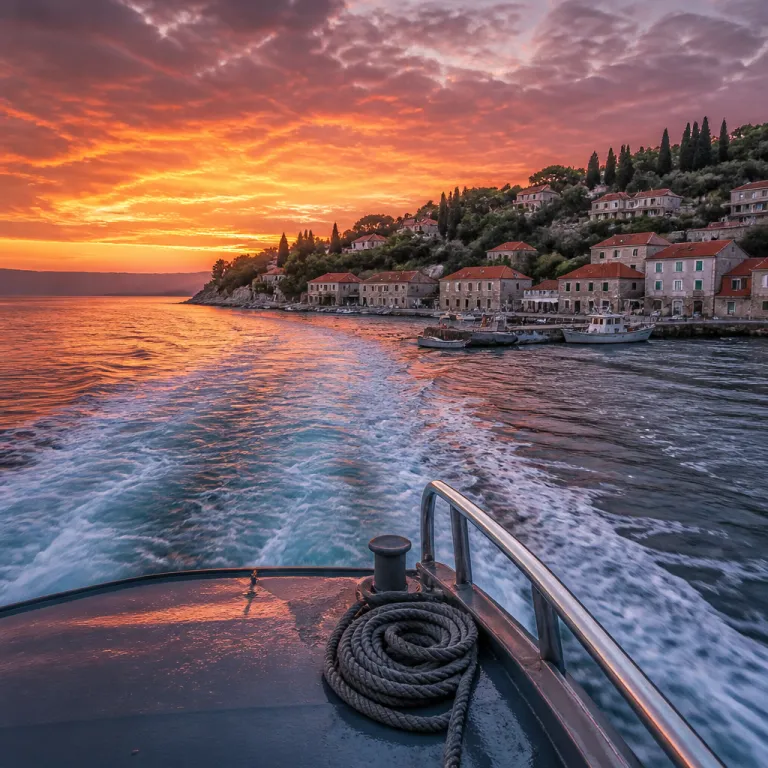
Ferry from Venice to Croatia: how to plan a refined coastal escape
Choosing a ferry from Venice to Croatia for a luxury coastal escape
For travelers planning a refined coastal escape, taking a ferry from Venice to Croatia creates a seamless transition between two iconic Adriatic worlds. The journey from Venice, or Venezia as Italians say, to Croatian shores feels almost ceremonial, especially when your hotel plans in Split, Dubrovnik, Rovinj, Pula, or Poreč are already confirmed. This combination of a Venice ferry crossing and a premium hotel stay in Croatia turns simple travel into part of the holiday itself.
Seasonal ferries from Venice operate mainly from April to October, with departures from the Venice Passenger Terminal in the historic port area. During peak week periods, especially in summer, you should secure tickets from Italy well in advance to align with your luxury hotel reservations along the Croatian coast. When you coordinate your ferry from Venice with flexible check-in times at high-end properties, you reduce stress and protect the relaxed rhythm that defines a premium Adriatic trip.
Several ferry companies operate ferries from Venice to Croatia, with Kompas (Adriatic Lines) and Venezia Lines among the most established names on this corridor according to aggregators such as Ferryhopper. In recent seasons, Venezia Lines has typically published its Venice–Croatia timetables by late January, with one daily sailing on peak days and fares from around €70–€90 one way in economy class when booked a month or more ahead. These operators run high-speed catamarans on key ferry routes such as Venice–Pula, Venice–Rovinj, and Venice–Poreč, usually in around three and a half hours. Because these are passenger-only Croatia ferries and not car services, you can travel light, step off at the port, and head directly to your chosen luxury hotel in Croatia.
Key Venice–Croatia ferry routes for premium coastal stays
The most popular ferry routes from Venice to Croatia align naturally with some of the country’s most elegant coastal escapes. A ferry from Venice to Pula suits travelers who want a cultured base with Roman heritage, while a sailing from Venice to Rovinj appeals to guests seeking romantic harborside hotels. When you compare Venice–Pula, Venice–Rovinj, and Venice–Poreč sailings, think first about which Croatian port best matches your preferred style of hotel and nightlife.
High-speed ferries from Venice typically reach Pula, Rovinj, or Poreč in about three and a half hours, creating an easy half-day travel window from Italy to Croatia. This timing works especially well if you are flying into Venice from Italy or further abroad, then connecting by Venice ferry to your Croatian destination for a longer week by the sea. For a deeper look at how this crossing shapes a refined itinerary, review this guide to sailing from Venice to Croatia by ferry for a refined coastal escape.
Although there is no direct ferry from Venice to Split or ferry from Venice to Dubrovnik, you can still integrate these cities into a longer Croatia trip. One option is to arrive by Croatia ferry into Istrian ports, then continue from Split to Dubrovnik by domestic ferries or by private transfer along the Dalmatian coast. This combination of international ferries from Italy and local services from Split or from Dubrovnik allows you to link multiple premium hotels into a single, carefully curated itinerary.
Aligning ferry timings with luxury hotel check in across the coast
Thoughtful timing is essential when you combine a ferry from Venice to Croatia with reservations at luxury and premium hotels. International ferries from Italy usually depart Venice in the morning or early afternoon, so you should match your tickets from Venezia with check-in windows at your chosen Croatian property. When you plan a full week or longer, arriving at the port by mid-afternoon gives you time to settle into your room, enjoy a first swim, and ease into the local rhythm.
For Istrian stays, many travelers sail from Venice to Rovinj or Poreč, then transfer a short distance to coastal resorts or heritage townhouses. If your trip continues further south, you might arrive by Venice–Pula ferry, then connect by road from Pula to Zadar, Split, or even onward from Split to Dubrovnik for a multi-stop itinerary. In this case, consider one or two nights in each city, using premium hotels as stepping stones along the Italy–Croatia axis.
Seasonality matters as well, because ferry companies adjust schedules between April and October, with more frequent ferries from Venice during peak months. Outside this window, you may need to combine flights from Italy with domestic Croatia ferries from Split or from Dubrovnik to reach island resorts. For guests planning a winter or shoulder-season escape, this overview of what to expect from the temperature in Croatia in December for a luxury coastal escape helps you decide whether to prioritize spa hotels, city stays, or milder coastal retreats.
From Venice port to Croatian coastal escapes: practical details with a premium lens
Starting your journey from Venice port adds a sense of occasion, especially when you are heading toward a carefully chosen Croatian hotel. The Venice Passenger Terminal sits close to the historic core of Venezia, so you can enjoy a final espresso or canal-side stroll before boarding your Venice ferry. Arrive at least sixty to ninety minutes before departure, as operators commonly recommend, and keep your printed or digital tickets from Italy and passports ready for inspection.
On board, high-speed ferries from Venice to Croatia usually offer reserved seating, air-conditioned lounges, and basic refreshments. While these ferries are not luxury yachts, the Adriatic views between Italy and Croatia are undeniably elegant, especially at sunrise or sunset on a clear day. One frequent traveler tip is to choose a seat on the starboard side when sailing from Venice to Croatia on clear days, as you often enjoy longer views of the Italian coastline before turning toward Istria. For many travelers, this short sea trip becomes a gentle buffer between the intensity of Venice and the calmer pace of Croatian coastal towns.
Current guidance from operators is clear on practical questions that often matter to premium travelers who value flexibility. Typical luggage allowances are similar to airline cabin and checked-bag rules, with extra fees for oversized items, and boarding usually closes around thirty minutes before sailing. “Are there car ferries between Venice and Croatia? No, only passenger ferries operate on these routes. Can I bring a bicycle on the ferry? Yes, but an additional fee applies. Are pets allowed on board? Yes, with specific regulations and fees.” These rules apply across most ferry companies on the Venice–Croatia corridor, so plan your luggage, transfers, and hotel services accordingly.
Designing a multi stop itinerary: from Istria to Split and Dubrovnik
Many guests using a ferry from Venice to Croatia are not stopping at a single hotel; they are crafting a multi-stop itinerary along the coast. A classic pattern is to arrive from Venice into Rovinj or Poreč, spend several nights in a seafront property, then continue by road toward Zadar and Split. From Split, you can board domestic Croatia ferries to islands such as Hvar, Brač, or Korčula, each offering its own style of premium accommodation.
For travelers who want to include Dubrovnik, it often works best to treat the Venice–Croatia crossing as the opening chapter of a longer journey. After arriving by Croatia ferry into Istria or by flight from Italy to Split, you can travel from Split to Dubrovnik either by coastal road or by the popular Split–Dubrovnik catamaran routes. This approach lets you combine several hotel experiences in one trip, from historic palaces in Dubrovnik to contemporary seafront resorts near Split.
Some itineraries also weave in Ancona on the Italian side, using ferries from Ancona to other Croatian ports before continuing north toward Venice. While there is no direct Venice–Split or Venice–Dubrovnik ferry, you can still create a circular Italy–Croatia route by mixing ferries, private transfers, and occasional short flights. If you value heritage and nature, consider adding a refined island stay via this guide to a refined escape to the Brijuni archipelago where Croatian heritage meets island luxury.
Choosing ferry companies and ticket strategies for premium travelers
When planning a ferry from Venice to Croatia as part of a high-end trip, the choice of operator and ticket strategy matters. Kompas, operating as Kompas (Adriatic Lines), and Venezia Lines are two of the best-known ferry companies on this corridor, and their official websites or trusted platforms such as Ferryhopper provide current timetables and fares. Both run high-speed ferries from Venice to ports such as Pula, Rovinj, and Poreč, giving you several options to match your preferred Croatian base.
Because services are seasonal and demand is strong, especially in peak week periods, you should buy tickets from Italy as soon as your hotel dates are fixed. As a planning benchmark, many premium travelers aim to secure Venice–Croatia tickets six to eight weeks before departure for July and August, and at least three to four weeks ahead for May, June, and September. Online booking tools allow you to compare Venice ferry departure times, travel durations, and luggage rules before committing. Aim to select a sailing from Venice that arrives at your chosen port at least a couple of hours before your hotel’s standard check-in time, leaving room for any minor delays and for transfers that typically take fifteen to forty-five minutes from the pier to most coastal properties.
Remember that these ferries from Venice are passenger-only, so if you need a car at your destination, arrange a rental from the Croatian port or from Split and Dubrovnik later in the trip. Some premium hotels offer private transfers directly from the port, which can be especially convenient in Pula, Rovinj, or Poreč after a long travel day. If you are combining several crossings, such as a Venice–Croatia leg followed by domestic Croatia ferries from Split, keep all confirmation emails and boarding passes organized on your phone for a smoother journey.
Elevating your coastal escape: matching ports with luxury hotel styles
The real art of using a ferry from Venice to Croatia lies in matching each port with the right style of premium hotel. Pula suits travelers who enjoy grand historic settings, with properties near the Roman amphitheater and a lively marina scene. Rovinj feels more intimate, with high-end hotels and residences perched above the harbor, ideal for couples seeking a romantic week by the sea.
Poreč offers a balanced profile, with family-friendly resorts and upscale hotels close to the old town, making it a strong choice for multi-generational travel. From these Istrian bases, you can extend your trip toward Split and Dubrovnik, where larger properties and resort-style complexes provide extensive spa, pool, and concierge services. Many guests choose to arrive from Italy by Venice ferry, then continue from Split or from Dubrovnik to islands or national parks for a final, quieter chapter.
When planning, think of the Venice–Croatia axis as a spine connecting different moods and hotel experiences rather than a single point-to-point route. Start from Venice or even from Ancona, sail across the Adriatic, then let each Croatian port introduce a new layer of culture, cuisine, and design. With careful coordination of ferries from Italy, premium hotel bookings, and local transfers, your trip can feel both effortless and richly textured from the first boarding call in Venezia to the last sunset over the Dalmatian coast.
Key figures for Venice–Croatia ferry travel
- Typical Venice to Pula, Rovinj, or Poreč ferry duration is about 3.5 hours on high-speed catamarans, according to Ferryhopper, which makes the crossing short enough to combine easily with same-day hotel check-in.
- Services on the Venice–Croatia corridor usually operate seasonally from April to October, with increased frequency in peak summer months, so premium travelers should secure tickets early for popular departure days.
- Venice to Umag sailings, where available, can be slightly shorter at around 3.25 hours, again based on Ferryhopper data, offering another efficient entry point into northern Croatian coastal regions.
- Operators and tourism boards highlight that these passenger-only ferries support growing regional tourism between Italy and Croatia, contributing to local economies in port cities such as Pula, Rovinj, and Poreč.
Frequently asked questions about the ferry from Venice to Croatia
Are there car ferries between Venice and Croatia?
There are currently no car ferries between Venice and Croatia on the main international routes; only passenger ferries operate, so travelers who need a vehicle should rent one on arrival in Croatian ports such as Pula, Rovinj, or Poreč.
Which Croatian ports can I reach directly from Venice?
Seasonal high-speed ferries from Venice typically connect to Istrian ports including Pula, Rovinj, Poreč, and sometimes Umag, which then serve as gateways to the wider Croatian coast and inland destinations.
When do Venice–Croatia ferries operate during the year?
Most ferry companies run Venice–Croatia services between April and October, with more frequent departures in the peak summer months and limited or no sailings outside this seasonal window.
How far in advance should I book Venice–Croatia ferry tickets?
For premium and luxury trips, it is wise to book tickets from Italy several weeks in advance, especially if you are traveling in high season or need to coordinate closely with fixed hotel check-in and transfer times.
Can I bring pets or bicycles on Venice–Croatia ferries?
Many operators on the Venice ferry routes allow both pets and bicycles, usually with specific regulations and additional fees, so you should check the exact policy of your chosen company before finalizing your booking.
Suggested references: Croatian National Tourist Board, Italian National Tourist Board, Ferryhopper.