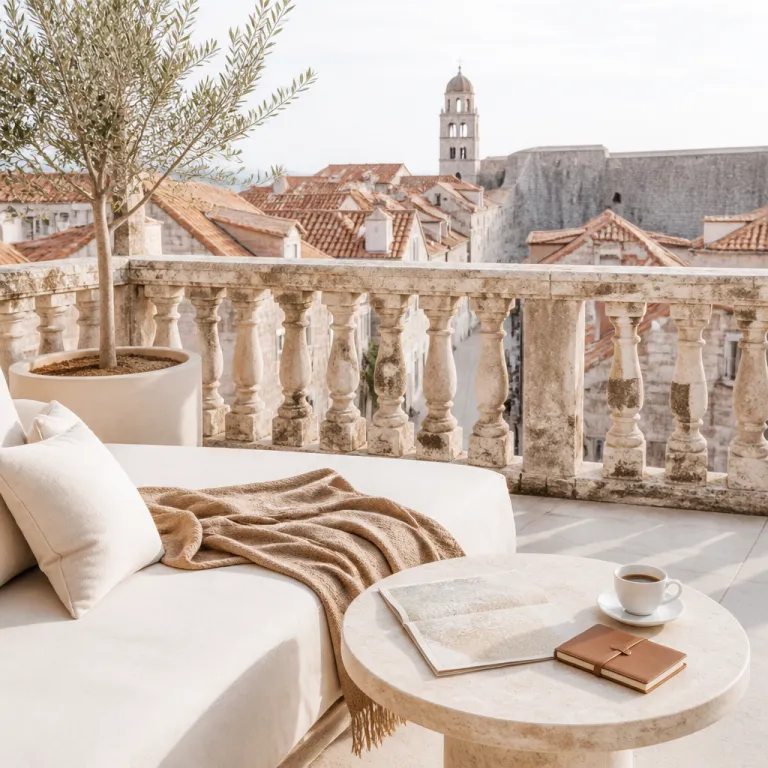
Why each historic city in Croatia shapes a different luxury stay
Every historic city in Croatia offers a distinct rhythm and refined mood. When you plan an upscale escape, the contrast between coastal centres and inland capitals shapes which Croatian experiences feel most rewarding. Understanding how each destination and its surrounding towns evolved helps you choose the best places for your style of travel.
Zagreb is the capital of Croatia and the largest city, and its grand Austro-Hungarian avenues feel very different from the stone lanes of Split or Dubrovnik. This contrast between the inland capital Croatia showcases and the Adriatic strongholds along the coast means you can design a journey that moves from café culture to sea views in just a few days. Many travellers pair time in Zagreb with one or two coastal cities, creating a balanced itinerary that feels both urban and resort like.
According to the Croatian Bureau of Statistics publication “Cities and Municipalities in the Republic of Croatia, 2021” (released 2022), Zagreb remains the country’s main urban centre, while Split and Rijeka follow as major coastal hubs. The same release notes that “Zagreb is the capital and largest city” and that “Split, with Diocletian’s Palace” is the Croatian city best known for its Roman heritage. These facts matter when you choose where to book a luxury hotel, because larger cities usually offer more premium suites, fine dining, and curated private tour options.
Zagreb, Split and Rijeka as refined urban bases for your trip
For travellers who want an elegant city in Croatia as a base, Zagreb delivers a polished mix of museums, theatres, and discreet luxury hotels. With a population of around 770,000 in the wider urban area, the Zagreb region supports a sophisticated dining scene and high-end shopping that rivals parts of northern Italy. When you stay in Zagreb, you can enjoy long days of gallery hopping in the Lower Town, then retreat to a quiet suite overlooking leafy squares in the Upper Town.
Many itineraries link Zagreb–Split routes by rail or road, allowing you to experience both the capital and the Dalmatian coast in one trip. The train journey usually takes about six hours, while a private car transfer can be closer to four. Split is the second-largest city in Croatia, and it anchors the Split–Dalmatia region with its busy port, yacht marinas, and seafront promenade. Luxury travellers often choose a hotel inside or just outside Diocletian’s Palace, where the legacy of a Roman emperor meets contemporary Croatian design and attentive concierge services.
Rijeka, the third largest of the major Croatian cities, is an important seaport that works well as a quieter alternative to classic Split–Dubrovnik combinations. Its waterfront hotels give you easy access to islands and coastal towns, while still offering the cultural depth of a working city. When you plan to visit Croatia for more than a few days, consider starting in Zagreb, continuing to Split for an elegant stay using this guide to what to see in Split, then adding Rijeka for a different Adriatic perspective.
Dubrovnik and Split: walled heritage cities shaped by the Adriatic
On the southern coast, Dubrovnik stands as the most iconic historic city in Croatia for many luxury travellers. Its medieval city walls encircle marble streets, baroque palaces, and sea-facing terraces that lend themselves to premium stays. When you book a high-end hotel near the city walls, you gain early morning access to the old town before the cruise crowds arrive, which is one of the best things about staying overnight.
Split offers a different kind of drama, where the palace of a Roman emperor forms the living core of the city. Within Diocletian’s Palace, narrow lanes hide wine bars, refined apartments, and small luxury hotels that blend ancient stone with modern comfort. This living museum quality makes Split one of the best places for travellers who want history at their doorstep, yet still need quick access to ferries for nearby islands and coastal tours.
Many visitors plan a Split–Dubrovnik route along the Dalmatian coast, often adding day trips into Bosnia and Herzegovina for a broader regional perspective. If you enjoy cultural events, timing your visit to align with the summer arts season can elevate your stay in this part of Croatia. For curated inspiration, you can explore an in-depth look at the Dubrovnik summer festival, which typically runs from mid-July to late August, and its cultural calendar, then choose a hotel that places you within walking distance of evening performances.
From Zadar to Osijek: historic cities and towns beyond the usual route
While Dubrovnik and Split often headline lists of the best Croatian cities, Zadar and Osijek reward travellers who prefer quieter streets and strong local character. Zadar is a historic coastal city known for its Roman ruins, medieval churches, and contemporary waterfront installations such as the Sea Organ and Greeting to the Sun. Staying in a luxury hotel along the Zadar promenade lets you enjoy sunset views that rival more famous cities, but with fewer crowds and a more relaxed pace.
Osijek, the economic hub of eastern Croatia, offers a very different urban experience shaped by the Drava River and baroque fortress architecture. Here, you can book refined riverfront hotels and spend days exploring wine routes in the surrounding county, which feels far removed from the Adriatic focus of many Croatian itineraries. This contrast between coastal towns and inland centres like Osijek shows why it is worth reading carefully about each city before you book, rather than relying only on the most photographed destinations.
Rijeka and Zadar together illustrate how cities along Croatia’s long coastline have developed, each with its own blend of Roman, Venetian, and Austro-Hungarian influences. When you plan which places to include, consider how much time you want to spend in ports versus quieter historic quarters. If you enjoy thoughtful long-form travel planning, read guides that compare different Croatian cities by atmosphere, not only by the number of listed sights.
Island heritage, coastal counties and refined nature escapes
Many travellers pair a historic city in Croatia with a stay on nearby islands to create a layered itinerary. From Split and Zadar, ferries connect you to islands where stone towns, vineyards, and quiet coves offer a softer counterpoint to busy city streets. Luxury hotels on these islands often occupy historic villas or waterfront properties, giving you a sense of continuity with the coastal heritage of Dalmatian cities.
Some of the best places for nature-focused luxury stays sit just beyond the main cities, in counties that protect national parks and coastal reserves. Plitvice Lakes National Park, reachable from Zagreb or Zadar in around two and a half hours by road, is a prime example, with terraced turquoise lakes and wooden walkways that feel far removed from urban life. Many high-end travellers choose to visit Croatia by combining two or three cities with a refined lodge near Plitvice Lakes, allowing for days of hiking followed by evenings in spa suites.
If you are interested in island heritage with a strong cultural thread, consider the Brijuni archipelago off the Istrian coast. This area blends archaeological sites, landscaped parks, and discreet luxury accommodation that appeals to travellers who value privacy. For a curated perspective on this side of Croatia, you can consult a detailed guide to a refined escape to the Brijuni archipelago, then decide how to balance your time between cities and islands.
Planning luxury stays across multiple Croatian cities: timing, routes and practical tips
Designing an elegant itinerary across more than one city in Croatia requires careful attention to timing and logistics. Most travellers have between seven and ten days, which is enough to combine the capital, one or two coastal cities, and perhaps an island or national park. To keep your journey relaxed, limit yourself to three main bases and use day trips rather than constant hotel changes.
A classic route links Croatia’s capital Zagreb with Split and Dubrovnik, creating a Zagreb–Split–Dubrovnik triangle that showcases very different urban characters. You might start in the Zagreb area for museums and café culture, continue to Split–Dalmatia for Roman heritage and island access, then end in Dubrovnik for city walls and sea views. This structure allows you to experience several Croatian cities without rushing, while still leaving space for a night near Plitvice Lakes or in a coastal town.
When comparing Croatian cities to other European destinations such as Italy or Ireland, remember that distances here are relatively short. You can travel between the capital and the coast in a few hours, which makes it easier to adjust plans if you read new recommendations or receive last-minute tips from hotel concierges. One concierge tip many guests appreciate is to book private transfers for early-morning departures, avoiding crowded buses and giving you extra time for a final coffee on the promenade. For cross-border extensions into Bosnia and Herzegovina or neighbouring countries, work with your hotel or a specialist tour operator to arrange private transfers that match the level of comfort you expect from a premium stay.
Key statistics for major Croatian cities and luxury travel
- Zagreb, the capital and largest city, has a population of around 770,000 people in the wider urban area according to the Croatian Bureau of Statistics “Cities and Municipalities in the Republic of Croatia, 2021” release, which supports a wide range of luxury hotels, fine dining venues, and cultural institutions.
- Split, the second-largest city with about 160,000 residents, combines its role as a major port with strong tourism infrastructure, making it a strategic base for high-end travellers heading to nearby islands.
- Rijeka, with roughly 105,000 inhabitants, is the primary seaport in Croatia and offers a quieter urban alternative for travellers who prefer working cities over purely resort-focused destinations.
- Osijek, home to around 95,000 people in the wider area, serves as the economic hub of eastern Croatia and anchors cultural and wine tourism in the surrounding region.
- Zadar, with a population of about 70,000, is known for its historic coastal charm and has seen steady tourism growth, which has encouraged the opening of more upscale accommodation options.
FAQ: planning a luxury stay in a historic Croatian city
What is the capital of Croatia and why choose it for a luxury stay ?
Zagreb is the capital of Croatia and the largest city, offering grand architecture, museums, theatres, and a growing selection of luxury hotels. It works well as a starting point for trips that continue to the coast, especially for travellers who appreciate café culture and refined dining. Its central position also makes it convenient for visiting Plitvice Lakes or connecting to other Croatian cities by rail or road.
Which Croatian city is best for Roman heritage and premium hotels ?
Split is the leading Croatian city for Roman heritage, thanks to Diocletian’s Palace forming the core of the old town. Many high-end hotels and apartments are located within or just outside the palace walls, allowing guests to sleep inside a UNESCO-listed complex. This combination of ancient stone architecture and modern comfort makes Split particularly attractive for history-focused luxury travellers.
What is the main port city in Croatia for upscale coastal stays ?
Rijeka is the primary seaport in Croatia and serves as a gateway to nearby coastal towns and islands. While it is less known internationally than Split or Dubrovnik, it offers a more local atmosphere with access to cultural events and waterfront promenades. Travellers who prefer working ports to purely tourist resorts often find Rijeka a rewarding base.
Which city anchors eastern Croatia for culture and business travel ?
Osijek is the economic hub of eastern Croatia and a key centre for culture, education, and business. Its baroque fortress district, riverside promenades, and proximity to wine regions make it appealing for travellers who want to explore beyond the Adriatic coast. Upscale hotels here often cater to both business guests and leisure visitors interested in regional gastronomy.
Why is Zadar considered a notable historic coastal city ?
Zadar is known for its historic coastal charm, combining Roman ruins, medieval churches, and contemporary waterfront art installations. Its manageable size and growing range of quality accommodation make it a comfortable base for travellers who want culture without the intensity of larger cities. The city’s sunset views and relaxed atmosphere particularly suit couples and families seeking a quieter luxury stay.
Trusted sources for further reading
- Croatian National Tourist Board
- Croatian Bureau of Statistics
- UNESCO World Heritage Centre