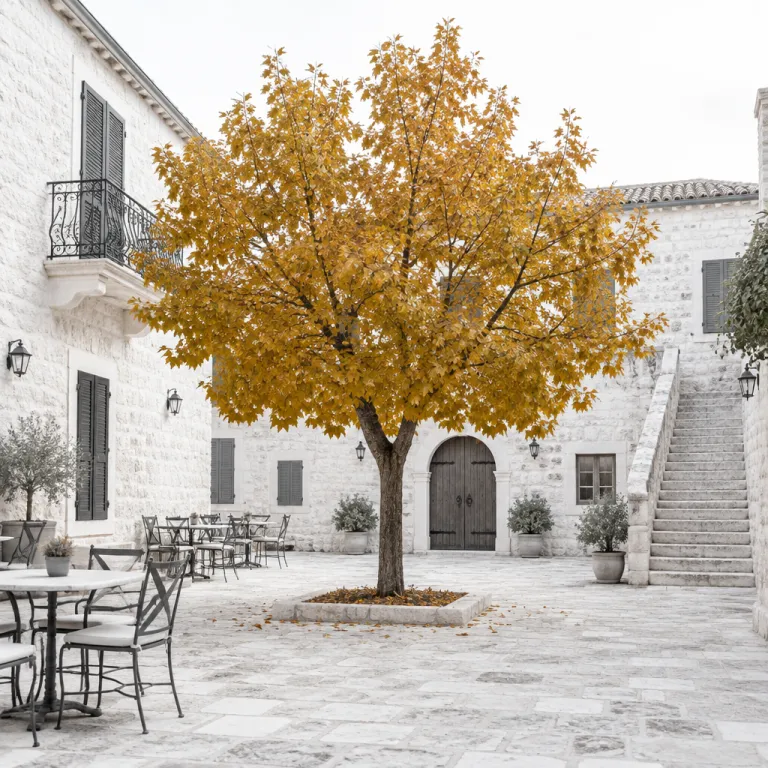
Croatia autumn foliage inland: why this is the connoisseur’s season
When the last yachts slip quietly out of Croatia in late summer, the interior begins its own show. Inland hills and forests ignite with copper and gold, while the Adriatic coast still holds gentle warmth and long light. For couples planning to visit Croatia, this is the best time to trade crowds for colour, space and slower days.
By September, the heat of July August has eased, the weather turns clear and crisp, and the first hints of Croatia autumn appear in Gorski Kotar and the Zagorje hills. Through September October, the forests above the Dalmatian coast deepen into copper and burgundy, while the sea along the Adriatic often remains swimmable for several lingering days. This shoulder season has become the quiet luxury moment to travel Croatia in style, with softer light and calmer roads.
By October, inland national parks reach foliage peak, and the famous Plitvice Lakes finally breathe after the peak season crush. Many couples now plan a small group itinerary that pairs a coastal stay in Split or Dubrovnik with two or three nights in the highlands. If you time your time visit for October November, you can walk near-empty trails in each national park by day and return to firelit dining rooms with serious food wine pairings at night.
Luxury here is not about marble lobbies; it is about silence, distance and the way mist hangs over vineyards at breakfast. Inland properties that understand this season lean into slow rituals, from late checkouts to curated drives through the autumn corridors of Lika. Always confirm that your chosen countryside retreat remains fully staffed into late October November, because some close soon after peak season and only reopen for Christmas markets in the cities.
From the Adriatic coast to golden interiors: pairing sea and forest
Most travellers still picture Croatia as a line of stone towns along the Adriatic coast, framed by sailboats and the city walls of Dubrovnik. That coastal image is real, especially in July August, but it is only half the story once autumn arrives. The smart move is to treat the shoreline as a base, then drive inland to where the foliage really burns in the valleys and high plateaus.
Start with three or four days in Split or Dubrovnik, when the weather is still kind and the Adriatic hovers around 20–22 °C in late September October. You can walk the city walls in the early morning, then escape the last peak season cruise traffic on a private boat or a curated harvest-season wine escape. This is also the ideal time to explore the Pelješac peninsula, where serious wine culture meets relaxed food and the first hints of Croatia autumn colour the hills above the sea.
From the Dalmatian coast, a two-hour drive takes you into the highlands, where the national parks feel like a different country. Here, travel Croatia means trading palm trees for fir forests and the glassy cascades of the Plitvice Lakes, now framed by red and gold. Couples often join a small group guided walk to understand how the karst landscape links to nearby Bosnia Herzegovina, then retreat to a spa suite as the weather cools.
On the Istrian side of Croatia, the same pattern works beautifully, especially in Istria during truffle season. Base yourselves on the quieter northern Adriatic coast, then drive inland to hill towns where autumn colour wraps around vineyards and olive groves. This is where long lunches stretch into food wine feasts, and where the late season rhythm feels closer to Tuscany than to the summer party image many associate with a visit to the Croatian shore.
Where to stay inland: quiet luxury among forests, vines and lakes
The inland side of Croatia rewards travellers who choose carefully, because not every property stays open beyond September October. In Gorski Kotar and Lika, look for family-run lodges and design-forward countryside estates that explicitly position themselves for autumn and winter. These places understand that inland foliage is their calling card, and they build the experience around it with fireplaces, saunas and guided walks.
Near the Plitvice Lakes, the most reliable luxury options sit just outside the national park boundary, where you can wake to mist over meadows instead of tour buses. Many of these retreats offer guided small group hikes timed for the softest time visit light, often in early October when the weather is cool but stable. For couples who travel Croatia for tranquillity, this is the best way to experience a world-famous site without the peak season pressure of July August.
Further north, the rolling vineyards of Zagorje and the inland hills of Istria offer a different kind of luxury, centred on wine, thermal spas and slow food. Here, countryside manors and farm-based stays often stay open into October November, especially where truffle season and harvest festival events drive demand. For a deeper sense of place, look for properties that curate off-the-radar drives and walks; our guide to timeless countryside elegance highlights stays that pair serious cellars with views over Croatia autumn hillsides.
Wherever you book, verify opening dates directly, because some inland hotels pivot quickly from foliage season to Christmas markets trade in Zagreb and other cities. A few even offer transfer packages that link your inland stay with a later visit to Advent lights and festival stalls. When you plan to visit Croatia this way, the journey between coast, countryside and city becomes part of the quiet, curated luxury.
What to eat and drink: truffle season, forest kitchens and autumn cellars
Once the first cold front rolls across Croatia, restaurant menus inland shift decisively from grilled fish to forest-driven food. This is when truffle season begins in earnest in Istria, and when game, wild mushrooms and new-press olive oil define the table. For many couples, the chance to align an inland foliage trip with this culinary season is reason enough to book.
In Istrian hill towns, you will see both black and white truffle shaved over everything from eggs to hand-rolled pasta, often paired with local wine. The best experiences are unhurried lunches in stone-walled konobas, where food wine pairings stretch over several days of your itinerary. Plan your time visit for September October if you want milder weather and the full truffle menu, or push into October November for deeper flavours and quieter dining rooms.
Further south, inland from the Dalmatian coast, kitchens lean into slow-cooked lamb, hearty stews and chestnut-based desserts that echo the surrounding Croatia autumn forests. Many countryside retreats now build multi-course tasting menus around local festival calendars, from harvest events to early Christmas markets in nearby towns. If you base on the coast and use a hotel as a hub, our guide to off-the-resort-trail day trips shows how to fold these inland meals into a wider travel Croatia plan.
Wine lists inland increasingly highlight serious bottles from Slavonia and the continental interior, not just the coastal Adriatic vineyards many visitors know. When you visit Croatia in this shoulder season, you can often arrange cellar tastings as a small group or even privately, guided by owners who have time to talk. That is the real luxury of travelling through Croatia’s autumn landscapes; the sense that the country has exhaled after peak season, and that there is finally space for conversation, nuance and another glass.
FAQ
Is October a good time to visit inland Croatia for foliage?
Yes, October is generally the best month for inland colour, especially in Gorski Kotar, Lika and the areas around the Plitvice Lakes. The weather is usually cool but stable, and the national parks are far quieter than in July August. Many luxury countryside retreats stay open through October November, but always confirm dates before you travel Croatia.
How many days should couples spend inland versus on the coast?
For a balanced season itinerary, many couples split a week into four days on the Adriatic coast and three inland. That allows time to enjoy Split or Dubrovnik, walk the city walls, then drive to a national park or wine region at the heart of the autumn countryside. If you have longer, add extra nights in Istria during truffle season for more focused food wine experiences.
Are the Plitvice Lakes crowded in autumn?
The Plitvice Lakes remain popular, but the feel in September October is very different from peak season. Trails are noticeably quieter, and you can often join a small group guided walk that focuses on foliage, light and photography. For the calmest experience of inland colour, aim for midweek visits and early morning entry to the national park.
What should we pack for an inland autumn trip in Croatia?
Layers are essential, because inland weather can shift quickly between sunny afternoons and cold evenings. Bring waterproof shoes for forest paths in national parks, and a light jacket for outdoor festival events or late dinners. If you plan to move between the Adriatic and the highland regions, pack both coastal clothing and warmer pieces for the interior.
Is it easy to combine Croatia with Bosnia and Herzegovina in autumn?
Yes, many travellers pair southern Croatia with nearby Bosnia Herzegovina, especially when basing around Dubrovnik. Road links make it straightforward to enjoy inland foliage and then cross the border for different landscapes and food traditions. Just remember to check border requirements in advance and allow extra time in your schedule for crossings.