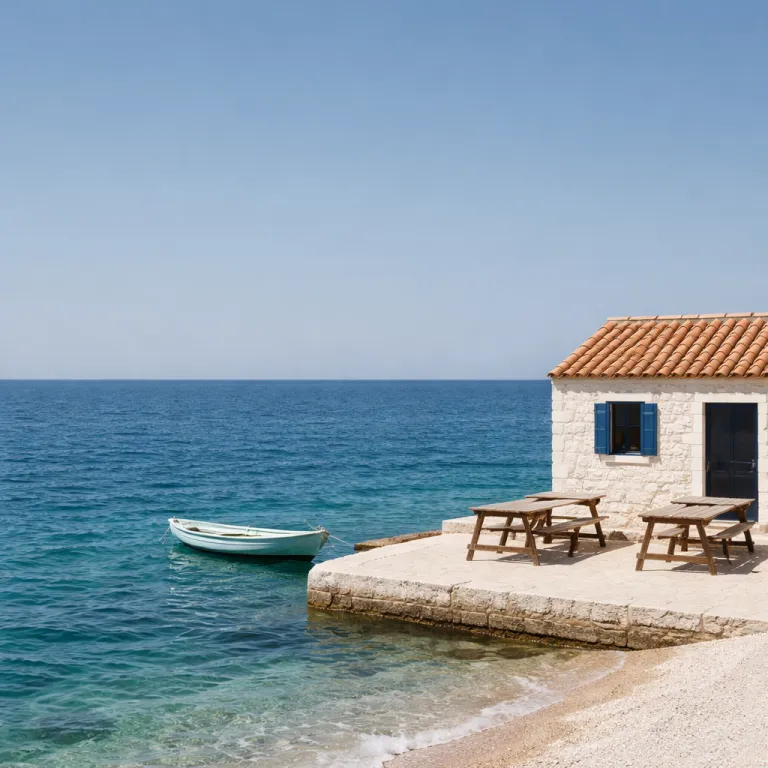
Travel Croatia through its konobas, not just its hotel lobbies
To truly travel Croatia as a solo explorer or a couple, you need to eat where families still cook for fishermen at the end of the day. Luxury hotels in Dubrovnik, Split or Zagreb will frame your trip beautifully, yet the country’s real flavor lives in stone walled konobas tucked above a cove or behind a sleepy town square. Plan your trips so that every two or three days you leave the comfort of your suite and follow the scent of wood smoke into a courtyard where the only menu is whatever came from the sea that morning.
A konoba in Croatia is structurally closer to a family cellar than a formal restoran, and it evolved from private homes that opened their doors to neighbors and passing sailors over time. That is why many konobas across the Dalmatian coast still operate without printed menus and why the best tables feel like an extension of someone’s living room rather than a dining room designed by a tour manager. When you travel, Croatia rewards the traveler who accepts this informality and trusts the host to guide the meal, course by course, wine by wine.
Konobas differ from a gostionica, which is more like a casual inn, and from a polished restoran that might chase Game of Thrones crowds with themed menus in Dubrovnik’s Old Town. In a konoba, the focus is on traditional cooking techniques, local ingredients and a homely atmosphere where a tour guide might be eating at the next table with their own family. As one local explanation puts it without embellishment, “What is a konoba? A traditional Croatian tavern offering local cuisine.”
For a solo traveler planning a refined trip Croatia wide, this means you can pair a premium hotel booking with a nightly pilgrimage to a different konoba in each town. One day you might stay in a heritage property near Diocletian Palace in Split, then spend your evenings in a stone courtyard where grilled sardines arrive on dented metal platters. On another day trip along the Dalmatian coast, you might leave a design forward hotel in Cavtat and walk ten minutes inland to a family run spot where the grandmother still checks the peka with a practiced hand.
Because konobas are deeply rooted in local communities, they also support the same farmers and fishermen who supply Croatia’s national parks and coastal markets. Many work year round, though the busiest season runs from late spring to early autumn (roughly May to October) when islands and lakes national landscapes fill with visitors. If you plan your Croatia travel carefully, you can enjoy quieter days in Plitvice Lakes National Park or Krka, then return to a konoba where the only tourists are those who bothered to ask their tour guide where they would eat on their own time.
How konobas cook: the peka, the cellar and the sea
The heart of many konobas in Croatia is the peka, an iron bell dome buried under embers that slow cooks meat or octopus for hours. This is not a showpiece for a hotel buffet; it is a working tool, used by local chefs who learned from parents and grandparents in towns along the Dalmatian coast. When you travel Croatia with food in mind, you quickly realize that the best peka meals require patience, planning and a willingness to let the day revolve around dinner.
Ordering peka correctly is a small art and a crucial travel tip for any serious trip Croatia itinerary. You usually need to call at least one day in advance, because the meat, potatoes and vegetables must be prepared and then left to cook slowly under the bell for several hours. A good tour manager or hotel concierge in Split, Dubrovnik or on an island like Korčula will happily arrange this, but the most rewarding experiences often come when you walk in yourself, speak with the host and agree on a time to return the next day.
How to order peka in a konoba:
- Call or visit the konoba 24–48 hours ahead and ask if they serve peka that day.
- Choose the type (lamb, veal, octopus or mixed) and confirm the number of people.
- Agree on a fixed serving time, usually 7–9 p.m., and arrive punctually.
- Expect a shared pan; prices often run from €20–35 per person depending on meat and location.
- Order a simple starter and local wine; the peka itself will be the centerpiece.
Traditional konobas rely on wood fired ovens, simple grills and whatever the fishermen brought in that morning, which means the menu changes by the day and by the season. That is why one night on the Dalmatian coast you might eat grilled sea bream and the next you are offered only octopus, mussels and a vegetable peka. As another local answer explains, “What dishes are typical in a konoba? Peka, grilled seafood, and local wines.”
For luxury travelers staying along the Split Dubrovnik corridor, this flexibility can feel liberating after a string of tasting menus and hotel breakfasts. You might spend the day in Split exploring Diocletian Palace on a walking tour, then take a short taxi ride to a konoba style restaurant in Split recognized in the Michelin Guide for its honest Dalmatian cooking. Pair that with a stay at a refined coastal retreat such as the property reviewed in our guide to a slow Adriatic stay on Hvar, where the Maslina Resort Hvar slow luxury experience sets the tone for evenings spent lingering over local olive oil and bread.
On islands scattered across Croatia, from Hvar to Korčula and beyond, konobas often sit next to small family vineyards or above tiny harbors where boats tie up for the night. You might arrive after a day trip of island hopping between Split and Hvar, salt still on your skin, and find that the only choice is grilled fish, salad and a carafe of house wine. These are the meals that stay with you long after the details of hotel lobbies and spa treatments fade from memory.
Three regions, three konoba styles along Croatia’s coastal escapes
Istria in the north of Croatia feels like a different country from the Dalmatian coast, and its konobas reflect that shift in soil and history. Here, inland from the sea, you will find stone farmhouses serving beef, wild asparagus, hand rolled pasta and generous shavings of truffle over everything from eggs to fuži. Plan your travel Croatia route so that you spend at least two or three days in Istria, using a countryside hotel as a base and driving out each evening to a different hilltop town for dinner.
The region has become a quiet powerhouse, with numerous konoba class establishments recognized in the Michelin Guide’s Selected Restaurants and Bib Gourmands, especially for their olive oils and wines. This is where a solo traveler can book a premium agriturismo style stay, then follow our guidance on what to expect from Croatia’s shoulder season weather to time visits when truffles and new oils are at their best. While cruise passengers rush between Dubrovnik and Split, you will be tasting malvazija in a courtyard where the only sound is the clink of glasses and the occasional tractor passing by.
Further south along the Dalmatian coast, konobas lean toward the sea, with menus built around grilled fish, octopus salad and slow simmered brodet served with polenta. Towns like Split, Cavtat and smaller coastal villages near Dubrovnik offer a mix of polished restaurants and more rustic konobas, and the trick is to ask locals where they would take their own family on a Sunday. A good tour guide leading a walking tour through Dubrovnik’s Old Town might point you toward a harbor side restaurant in Cavtat listed in the Michelin Guide that offers cooking refined yet still rooted in the rhythms of the harbor.
On the islands, everything narrows and intensifies, from the size of the dining room to the number of dishes available on any given day. Konoba Mate in Pupnat on Korčula, for example, combines family recipes, a small vineyard and a menu that changes with whatever is growing in the garden or swimming near the shore. If you are planning trips that combine Slovenia Croatia routes, consider adding a few extra days on Korčula or Hvar so you can eat there twice, once for a long lunch and once for a slow evening meal.
Season matters, of course, and your Croatia travel calendar should reflect both weather and crowds if you want the best of these places. In high season, day trip traffic from cruise ships can flood Dubrovnik and Split, but evenings in smaller island konobas remain surprisingly calm once the last tender leaves. Shoulder seasons such as late April to early June and September to October reward patience; you might trade some beach time for cooler evenings, yet you gain quieter dining rooms and more time to talk with owners about their wines, their lakes split childhood memories or their favorite national parks inland.
Konobas worth the detour for luxury and premium travelers
Some konobas in Croatia have become destinations in their own right, worth planning entire days around even if you are staying in a luxury hotel an hour away. Konoba Mate on Korčula is one of those places, a family run spot in Pupnat where the terrace overlooks vineyards and the menu reads like a love letter to seasonal island produce. If your trip Croatia itinerary includes a stay on Korčula, book your hotel first, then immediately reserve a table here for at least one long evening.
On the mainland, a refined restaurant in Cavtat offers a different expression of the konoba spirit, blending precise cooking with a relaxed harbor side setting that feels far removed from Dubrovnik’s Game of Thrones crowds. You can easily arrange a day trip from Dubrovnik, perhaps starting with a morning walking tour of the Old Town before heading south along the coast for lunch or dinner. The contrast between the walled city’s intensity and Cavtat’s slower rhythm will remind you why travel tips often emphasize staying just outside the busiest centers.
Further north, a seafood focused konoba in Mošćenička Draga has drawn attention for its fish driven menu and its reputation among Croatia’s more serious dining addresses. It sits in a small town on the Kvarner Gulf, making it an excellent stop if you are driving between Zagreb and Istria or combining a Croatia Slovenia road trip. Here, the lakes national landscapes of the interior feel far away, replaced by the sound of waves and the sight of fishing boats returning at the end of the day.
Back in Split, a new guard of konoba style dining has emerged, where traditional recipes meet a slightly more contemporary presentation without losing their soul. Stay in a premium hotel near Diocletian Palace, spend the day exploring with or without a tour guide, then walk or take a short taxi ride to one of these bistros for dinner. The rooms feel casual, the plates are generous and the wine lists lean heavily on local producers who understand the region’s limestone rich soils.
For travelers who like to plan, it helps to think of these konobas as anchor points around which you build your nights, while your hotels anchor your days. You might spend one day Croatia wide exploring Plitvice Lakes National Park, then drive back toward the coast for a late dinner at a konoba recommended by your hotel concierge. Over several days, this rhythm of national parks by daylight and konobas by night turns a simple tour into a layered journey through Croatia’s landscapes and kitchens.
Wine, solo dining and how to read a konoba without a menu
One of the quiet pleasures of konobas in Croatia is the wine list that often is not a list at all, just a conversation with the owner about what is drinking well that week. Instead of a sommelier, you will likely be guided by the same person who greeted you at the door, poured your rakija and maybe cooked your meal. Ask for local graševina, plavac mali or malvazija by name, and you will usually be offered a choice between house wine from the family’s barrels and bottles from nearby producers.
For solo travelers, this lack of formality can feel like a gift, especially if you are used to hotel restaurants where tables for one are tucked into corners. In a konoba, eating alone is normal, and the family will often adopt you for the evening with extra tastes of olive oil, a slice of cake or a glass of dessert wine on the house. This is where the promise of travel Croatia becomes real, not in the lobby but at a wooden table where you are asked about your day, your trips and your plans for tomorrow.
Reading a konoba without a printed menu is easier than it seems once you understand the rhythm of the place. Look at the grill, glance at the plates on neighboring tables, then ask what is best that day rather than what is cheapest or most famous. As one local comparison puts it clearly, “How do konobas differ from regular restaurants? They emphasize tradition, local ingredients, and a homely atmosphere.”
To weave these experiences into a broader itinerary, consider alternating coastal escapes with inland stays, using guides like our overview of timeless countryside elegance for discerning hotel guests to choose properties that pair well with nearby konobas. From there, you can plan day trips to Plitvice Lakes or other national parks, returning each night to a different family table. Over time, patterns emerge; you notice how the same plavac mali grape tastes different on one island versus another, or how octopus salad shifts subtly between Split, Hvar and smaller islands.
Even classic sightseeing routes like Split Dubrovnik or Slovenia Croatia combinations become richer when framed around these meals rather than just monuments and views. You might still visit Diocletian Palace, join a Game of Thrones themed walking tour or hire a tour manager for a complex multi day Croatia itinerary, but your most vivid memories will likely be of smoky courtyards and handwritten bills. In the end, the best travel tips for this country are simple: trust the konoba, trust the family running it and let your appetite, not just your hotel booking, shape the way you move along the coast and between the islands.
FAQ
What is a konoba and how is it different from a restaurant?
A konoba is a traditional Croatian tavern style eatery that grew out of family cellars and home kitchens, especially along the Dalmatian coast. Compared with a standard restoran, a konoba usually has a smaller menu, relies heavily on local ingredients and often skips printed menus altogether. The atmosphere is more homely than formal, and the host typically guides you through what is freshest that day.
Do I need a reservation for peka in a konoba?
Yes, you almost always need to reserve peka at least one day in advance, because the dish requires several hours of slow cooking under an iron bell. When you call or visit, specify whether you want lamb, veal, octopus or a mix, and agree on a time to return. Many konobas will not offer peka at all without this notice, especially in smaller towns and on islands.
Are konobas welcoming to solo travelers?
Konobas are generally very welcoming to solo travelers, and eating alone is common and accepted. You will often find yourself drawn into conversation with the owners or neighboring tables, especially if you show interest in the food and wine. For many solo guests, these evenings become the most memorable part of their Croatia travel experience.
Can I find good vegetarian options in konobas?
While konobas traditionally focus on seafood and meat, many offer simple but satisfying vegetarian dishes such as grilled vegetables, salads, cheese, bread and pasta or risotto with seasonal produce. In Istria, truffle dishes and vegetable based pastas are common, while coastal konobas may prepare vegetable peka on request. It is best to mention your preferences when you reserve, so the kitchen can plan accordingly.
How should I tip in a konoba in Croatia?
Tipping in konobas follows the general Croatian custom of leaving around 10 percent for good service, usually in cash. In very casual or rural places, rounding up the bill or leaving a few extra euros or kuna equivalent is also appreciated. Always check whether service has been included on the bill in more upscale or tourist heavy areas.