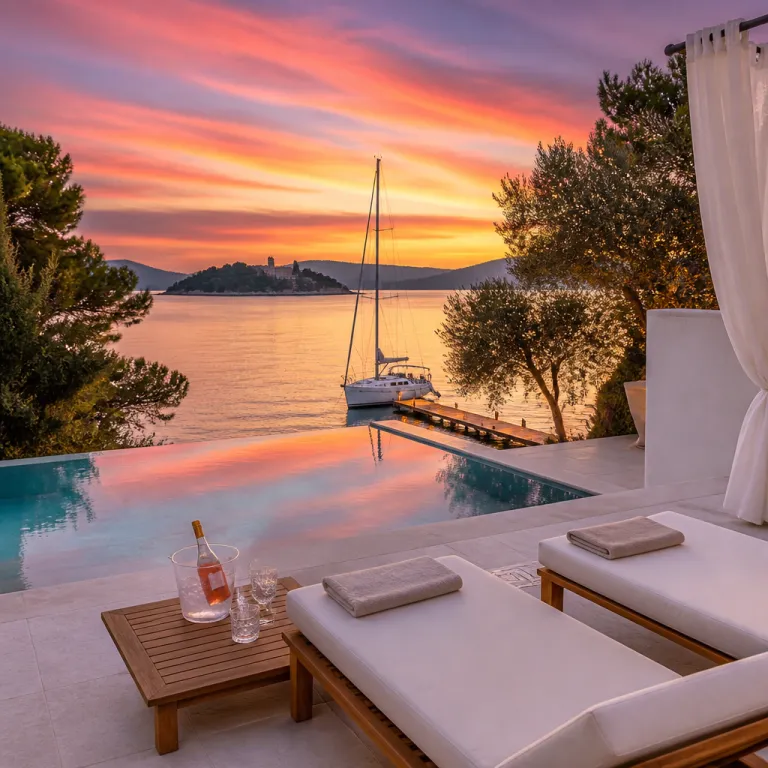
Mljet Island Croatia: a quiet luxury escape in the Adriatic
Why Mljet Island Croatia belongs on every luxury traveller’s map
Set in the southern Adriatic, Mljet Island in Croatia offers a quieter, more contemplative alternative to the better known islands. For travellers who value privacy, refined service, and nature that still feels wild, Mljet Island Croatia delivers a rare balance of seclusion and comfort. Many guests pair a stay on Mljet with time in Dubrovnik or Split, creating a Croatian itinerary that moves from historic cities to serene coastal retreats without long travel days in between.
The island of Mljet covers about 98 km², yet it feels surprisingly intimate thanks to its dense pine forests, small stone villages, and sheltered coves. Luxury and premium hotels here tend to be low rise, with architecture that respects the landscape and frames views towards the lakes and the open sea. This measured scale suits travellers who prefer a discreet address over a showy resort, especially on the western side of the island that borders the famous national park.
Most high end guests arrive by car ferry or catamaran from Dubrovnik, then transfer by private vehicle to their chosen property on Mljet Island Croatia. The journey itself sets the tone for the trip, as the ferry glides past other Croatian islands before reaching the green silhouette of Mljet. For those planning a multi stop travel route along the Dalmatian coast, scheduled connections between Dubrovnik, Split, and Mljet make it easy to slot the island into a broader exploration without complicated logistics.
Choosing the right side of Mljet for your stay
When selecting a luxury hotel on Mljet Island Croatia, the first decision is which part of the island suits your style. The western side includes Mljet National Park, with its famous saltwater lakes and the historic Benedictine monastery, while the eastern side leans towards sandy beaches and quieter bays. Both sides offer premium stays, yet the atmosphere differs enough that it will shape your entire trip.
On the park side, many guests base themselves near Polače or Pomena to be close to the Mljet National Park entrance. From here, you can walk or cycle to Malo Jezero and Veliko Jezero, the two interconnected salt lakes that define the Mljet National Park landscape. This area suits travellers who want to explore the protected area every day, swim in the saltwater lakes before breakfast, and take evening walks through pine forests scented by the sea.
The eastern side of Mljet, around Saplunara and nearby coves, is ideal for those who prioritise sandy beaches and long, relaxed days by the water. Luxury villas and premium guesthouses here often sit above small bays, with terraces that look across to other islands in Croatia. If you are combining Mljet with a more off grid escape, consider pairing this region with a stay on Lastovo, the island Croatia keeps largely to itself, for a deeper dive into the quieter side of the Adriatic.
Inside Mljet National Park: lakes, monasteries, and refined nature escapes
Mljet National Park occupies the northwestern part of Mljet Island Croatia and is the island’s main protected area. The park is centred on two saltwater lakes, Malo Jezero (the small lake) and Veliko Jezero (the big lake), which are connected to the sea by narrow channels. These lakes create a unique setting for luxury travellers who want direct access to calm water, forest trails, and cultural landmarks within a single, compact area.
Park entrance tickets include access to the boat that crosses Veliko Jezero to Saint Mary Island, often called Mary Island, where the Benedictine monastery stands. This monastery complex, with its stone cloisters and simple church dedicated to Saint Mary, has become one of the best known symbols of Mljet National Park. Many premium hotels arrange private guided visits, timed for quieter parts of the day when the light is soft and the salt lakes shimmer in muted colours.
The Mljet National Park Authority manages conservation and visitor flows, working with local tour operators who offer small group and private excursions. Official information from the park highlights the main attractions as the saltwater lakes, Saint Mary Island with the monastery, and the extensive network of walking and cycling paths. For guests staying in luxury properties near the park, concierge teams often coordinate e bikes, kayaks, or private skippers so you can explore the lakes and surrounding forest without crowds; one local guide recommends an early morning paddle on Malo Jezero, when the only sounds are oars in the water and cicadas in the pines.
Eastern Mljet and Saplunara: sandy beaches and low key luxury
While the national park draws most headlines, the eastern side of Mljet Island Croatia offers a different kind of appeal. Around Saplunara, you find some of the rare sandy beaches in this part of Croatia, framed by pine trees and low cliffs. For travellers who associate luxury with space, soft sand, and long swims, this region can feel like the best kept secret among Croatian islands.
Saplunara itself curves around a sheltered bay, with shallow water that suits families and less confident swimmers. High end villas and premium apartments often sit a short walk above the sandy beaches, giving you elevated views across the bay and towards the open Adriatic. Many guests split their trip between a few days near the salt lakes of Mljet National Park and a few days in Saplunara, balancing active exploration with slower beach time.
From this eastern side base, it is easy to arrange boat trips to neighbouring islands or to the mainland for a day in Dubrovnik or Split. Some travellers also combine Mljet with refined stays on Hvar, using guides such as this curated overview of what to do in Hvar Croatia for a refined island stay. When you return to Saplunara after such excursions, the contrast between the quiet bay and the livelier Croatian hotspots underlines why Mljet appeals to those seeking a more private island Croatia experience.
How to reach Mljet Island Croatia and plan your travel days
Reaching Mljet Island Croatia is straightforward when you understand the ferry and catamaran options. Most visitors travel from Dubrovnik by passenger catamaran or by car ferry from the nearby mainland port of Prapratno, which allows you to bring a vehicle for longer stays. In peak summer, there are usually one to two daily catamarans from Dubrovnik to Mljet and several car ferry departures on the Prapratno–Sobra route, while shoulder season often sees a reduced but still regular timetable.
For luxury travellers, private boat transfers from Dubrovnik or from other islands can be arranged through hotel concierges or local agencies. These services often include direct drop off near your accommodation, reducing transfer times and adding a sense of arrival that suits a premium trip. Maps and local guides are useful tools, yet most high end properties on Mljet provide tailored arrival instructions and can coordinate with skippers or drivers on your behalf.
When planning your stay, consider how many day trips you want to include beyond Mljet itself. Some guests dedicate several days solely to the national park, the saltwater lakes, and the monastery on Saint Mary Island, while others schedule a day in Dubrovnik or a refined coastal escape in Split using resources such as this guide to what to visit in Split for a refined coastal escape. Whatever you choose, book accommodations early, check ferry schedules carefully with operators such as Jadrolinija and Kapetan Luka, and pack comfortable shoes for walking between beaches, lakes, and villages.
Where to stay: luxury and premium hotel styles on Mljet
The accommodation scene on Mljet Island Croatia is more intimate than on larger Croatian islands, yet it still offers a range of luxury and premium options. You will find small upscale hotels near the national park entrance, design forward villas above the lakes, and refined guesthouses close to sandy beaches on the eastern side. Each style suits a different type of traveller, from couples seeking quiet evenings to families wanting easy access to the sea.
Near Mljet National Park, properties often emphasise proximity to Malo Jezero and Veliko Jezero, with terraces that look towards the salt lakes and forested hills. Some hotels, such as Hotel Odisej in Pomena, provide direct access to walking and cycling paths, allowing you to step out and explore the park within minutes. Others focus on wellness, offering spa style treatments that use local ingredients and views over the big lake or the open sea beyond; typical nightly rates for well located four star stays in high season often range from around €180 to €300 for double rooms.
In villages such as Babino Polje, which sits roughly in the middle of Mljet, you find characterful stone houses converted into premium stays. These locations work well for guests who want to explore both the park side and the eastern side during a single trip. Along the coast near Saplunara and other small bays, luxury villas with pools and private sea access, including high end rentals like Villa Mirosa near Saplunara, appeal to travellers who value privacy, sandy beaches, and long, unhurried days by the water.
Designing a refined itinerary around Mljet’s nature and culture
A well planned stay on Mljet Island Croatia weaves together the island’s natural highlights, cultural sites, and moments of pure relaxation. Start with at least one full day in Mljet National Park, walking or cycling around Malo Jezero and Veliko Jezero, then taking the boat to Saint Mary Island to visit the Benedictine monastery. Many guests choose to swim in the saltwater lakes at different times of day, noticing how the light and colours shift between morning and late afternoon.
On another day, head towards Saplunara and neighbouring coves on the eastern side for time on sandy beaches and leisurely lunches by the sea. If you enjoy active travel, consider kayaking along the coast, joining a small group boat tour, or arranging a private skipper to show you hidden bays that are only accessible from the water. Families often appreciate how the shallow water and calm conditions here make it easy for children to play safely while adults relax nearby.
To deepen your sense of place, spend time in villages such as Babino Polje, where traditional stone houses and narrow lanes reflect the island’s quieter rhythm. Eco tourism and cultural heritage tours, often organised in partnership with the Mljet National Park Authority and local tour operators, highlight how the community balances conservation with hospitality. By the end of your trip, you will have experienced not only the best beaches and lakes of Mljet Island Croatia, but also the understated charm that sets this Croatian island apart.
Key figures and practical statistics for Mljet Island stays
- Mljet covers approximately 98.01 km², making it one of the larger islands in southern Croatia while still feeling manageable for a several day stay (source: Wikipedia entry on Mljet and data from the Municipality of Mljet).
- The island’s population is around 1,088 people, which helps explain the low key atmosphere and limited but high quality selection of luxury and premium accommodations (source: latest census figures cited by the Croatian Bureau of Statistics).
- Mljet National Park occupies the northwestern part of the island, and its saltwater lakes, Malo Jezero and Veliko Jezero, are among the most visited natural attractions in the region according to the Mljet National Park Authority.
- Ferries and catamarans from Dubrovnik operate seasonally with increased frequency in summer, so travellers planning a luxury trip should check current schedules and book tickets in advance through official operators such as Jadrolinija and Kapetan Luka.
- The island promotes eco friendly tourism, with initiatives led by the Mljet National Park Authority and local agencies aimed at protecting forests, lakes, and beaches while supporting sustainable visitor numbers.
Frequently asked questions about Mljet Island Croatia
How do I get to Mljet Island from Dubrovnik ?
You can reach Mljet Island from Dubrovnik by passenger catamaran or by travelling to the nearby mainland port of Prapratno and taking a car ferry to Sobra on Mljet. Luxury travellers often arrange private boat transfers through their hotel or local agencies for a faster, more comfortable journey. Always check seasonal schedules in advance with the ferry companies, as departure times and routes can change.
What are the main attractions on Mljet Island Croatia ?
The main attractions include Mljet National Park with its two saltwater lakes, Malo Jezero and Veliko Jezero, and the Benedictine monastery on Saint Mary Island. Visitors also enjoy the sandy beaches around Saplunara, the pine forests, and the traditional villages such as Babino Polje. Many travellers combine nature activities like hiking, cycling, and kayaking with cultural visits and relaxed days by the sea.
Is Mljet suitable for families seeking a premium stay ?
Mljet works very well for families, especially those who value calm surroundings and nature based activities. The shallow water in parts of the salt lakes and around Saplunara’s sandy beaches is ideal for children, while parents appreciate the safe, low traffic environment. Many premium accommodations offer family friendly layouts, kitchen facilities, and easy access to walking and cycling paths.
How many days should I spend on Mljet during a Croatian trip ?
For a luxury or premium itinerary, plan at least three to four days on Mljet Island Croatia. This allows time to explore Mljet National Park, visit the Benedictine monastery on Saint Mary Island, and enjoy relaxed beach days on the eastern side. Travellers combining Mljet with Dubrovnik, Split, or other islands often extend their stay to a week to fully appreciate the island’s slower rhythm.
Do I need a car on Mljet, or can I rely on local transport ?
Having a car or private transfer is helpful, especially if you want to visit both the national park area and the eastern side around Saplunara. There are local buses and taxis, but schedules can be limited outside peak season, which may not suit a tightly planned luxury trip. Many high end properties can arrange transfers, bike rentals, or boat taxis so you can move comfortably between beaches, lakes, and villages.
References: Mljet National Park Authority, Croatian Bureau of Statistics, Jadrolinija, Kapetan Luka, Dubrovnik Tourist Board, Municipality of Mljet, Wikipedia (Mljet).