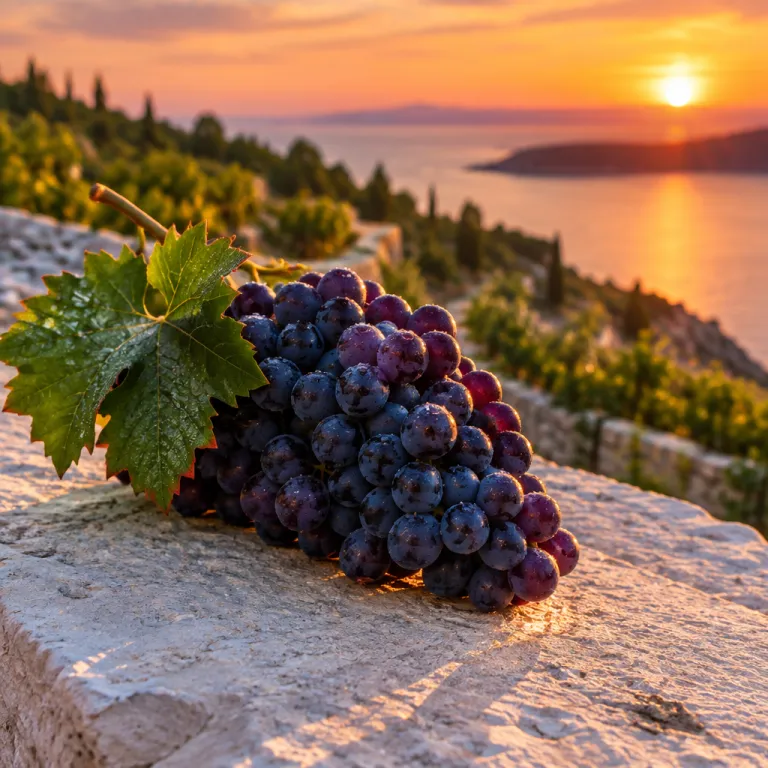
Pelješac wine harvest Croatia: where plavac mali meets autumn light
By late September, the pelješac wine harvest in Croatia shifts the peninsula from beach traffic to vineyard rhythm. The air cools just enough for long walks between south facing terraces where plavac mali hangs thick and dark. You feel the season changing as tractors replace rental cars on the narrow coastal road.
This is when the pelješac peninsula shows its real character as Croatia’s most concentrated red wine region. The steep slopes of Dingač and Postup rise almost straight from the Adriatic, and the vineyards seem to pour down to the sea in dense lines. For couples used to polished tasting rooms in Napa Valley, the rawness of this dalmatia landscape feels both luxurious and elemental.
Here, pelješac wine is not a backdrop to sunsets but the main story. The plavac grape, and especially plavac mali, dominates the conversation in wineries and in the small konobas that feed harvest crews. You taste the difference between these coastal wines and inland Croatian wine styles with every glass of red wine poured beside grilled fish or slow cooked lamb.
Plan at least one full day for a focused wine tour during harvest. A good wine guide will time visits so you see winemaking in motion, from sorting tables to fermenting tanks. The best experiences balance structured wine tasting with unhurried time in the vineyards themselves.
Understanding the Dingač and Postup slopes
The heart of pelješac wine lies on the south facing amphitheatres of Dingač and Postup. These two appellations sit on some of the steepest vineyard land in croatia, with gradients that make hand harvesting the only option. When you stand among the vines, the drop to the sea feels almost theatrical.
Dingač is where plavac mali reaches its most intense expression on the pelješac peninsula. The combination of reflected light from the sea, stone, and sky concentrates the grapes into powerful red wine with deep color and firm tannins. During harvest, you can watch pickers move carefully along the terraces, filling small crates rather than heavy baskets to protect the fruit.
Postup, just along the coast, offers a slightly softer take on the same grape. Here the soils and exposure shift subtly, and the wines often show a more open, aromatic profile while still unmistakably plavac. Tasting Dingač and Postup side by side is one of the defining experiences of pelješac wine harvest Croatia travel.
Many wineries here still work on a family scale, even when their labels are known across croatia peljesac wine circles. You might taste in a simple tasting room above the cellar, or at a table pulled into the shade beside the vines. Either way, the focus stays on the wines, the land, and the particular day’s harvest conditions.
From Ston to Orebić: where to stay for harvest season
Choosing the right base on the pelješac peninsula shapes your harvest experiences as much as the wineries you visit. At the gateway, the twin settlements of Ston and Mali Ston offer stone walled charm, serious seafood, and easy access to both vineyards and the road back to Dubrovnik. Stay here if you want evenings of oysters, sea views, and short drives into the heart of the region.
Mali Ston is especially appealing for couples who like to pair pelješac wine with food. The bay is famous for oysters and mussels, and the local white wine styles match the briny sweetness beautifully. A glass of crisp Croatian wine beside a plate of just opened shells feels like the most natural prelude to an afternoon wine tour.
Further along the peninsula, Orebić works well if you plan to combine pelješac wine harvest Croatia trips with a hop to the island Korčula. The ferry from Orebić to Korčula Town takes around fifteen minutes, which makes a day trip for a contrasting wine tasting on the island very manageable. Many premium hotels here understand that guests split time between beach, vineyards, and the medieval streets across the channel.
For travelers who have already explored Istria’s inland villages, such as those around the stone villages behind Rovinj, pelješac offers a different countryside rhythm. Here the focus is less on hilltop towns and more on the linear drama of the coast and vineyards. Luxury lies in the quiet after the crowd, the empty beaches, and the glow over the Dingač slopes at the end of the day.
Vineyard stays and countryside retreats
Between Ston and Orebić, small countryside retreats place you directly among the vines. These properties suit couples who want to wake to the sound of harvest trucks rather than early beach traffic. Rooms tend to be simple but thoughtfully finished, with stone, wood, and linen rather than overt glamour.
Staying on a working winery during pelješac wine harvest Croatia season means you see winemaking as a living process. You might watch plavac mali being brought in at dawn, then taste the estate’s older red wine vintages that evening. Some wineries also pour limited white wine bottlings, often from coastal plots or nearby inland sites, which adds welcome freshness to the line up.
These vineyard retreats are ideal if you value proximity over polish. You trade a large spa for the ability to walk into the vines in five minutes, glass in hand. For many guests, that direct connection to the land is the real luxury.
When comparing options on a premium booking platform, look for properties that clearly state harvest access and winery partnerships. A stay that includes a guided wine tasting or a private wine tour through Dingač and Postup often represents better value than a slightly cheaper room without those inclusions. In this region, experiences matter more than square meters.
Signature wineries, from Korta Katarina to Grgić Vina
Pelješac’s strength lies in its mix of heritage names and ambitious newer wineries. On the waterfront near Orebić, Korta Katarina offers one of the most polished wine tasting settings on the peninsula. The property feels designed for travelers who know Napa Valley standards yet want something distinctly dalmatia in mood.
At Korta Katarina, you can compare structured red wine from plavac mali with bright white wine from coastal vineyards. The tasting room opens toward the sea, so the same south facing light that shapes the grapes also frames your glass. During harvest, staff often talk you through how that specific day’s conditions will influence the wines you will drink in future seasons.
Further along the coast, Grgić Vina connects pelješac wine to a wider world. Founded by Mike Grgich, the Croatian born winemaker behind one of Napa Valley’s most famous Chardonnay victories, this winery bridges Croatian wine tradition and international technique. Tasting here during pelješac wine harvest Croatia season highlights how local plavac mali can stand beside global benchmarks.
Inland, estates such as Saints Hills work with both plavac and white varieties, crafting wines that show a more modern, polished face of the region. Some producers experiment with blends that soften plavac’s tannins while keeping its wild coastal character. A curated wine tour that includes Korta Katarina, Grgić Vina, and Saints Hills gives you a clear sense of the peninsula’s range.
Dingač Postup classics and smaller cellars
Beyond the headline names, the Dingač Postup corridor hides dozens of smaller wineries. Many of these wineries focus almost entirely on plavac mali grown on tiny, terraced plots. During harvest, you will often find the owner in the cellar rather than in the tasting room, which is exactly what you want.
Some cellars here still ferment pelješac wine in large old barrels, while others use stainless steel and small oak to refine structure. A good wine guide can help you navigate between traditionalists and modernists, depending on your palate. Either way, the wines remain rooted in the same dramatic peninsula landscape.
Expect tasting experiences that feel personal rather than scripted. You might stand beside a fermenting tank while someone draws a cloudy sample of young red wine for you to try. On another day, you could sit under a fig tree while a plate of local cheese and olives appears beside your glasses.
For travelers curious about how pelješac fits into the broader Croatian wine map, it is worth reading about regions such as Slavonia, whose cellars are profiled in our guide to Slavonia’s eastern plains. That context makes the intensity of Dingač and Postup feel even more specific. Few other parts of croatia peljesac style landscapes combine such steep vineyards with such immediate sea views.
Pairing pelješac with Dubrovnik, Korčula, and the wider Adriatic
One of the quiet luxuries of pelješac wine harvest Croatia travel is how easily you can fold it into a wider Adriatic itinerary. From Dubrovnik, the drive to the start of the pelješac peninsula takes around an hour via the Pelješac Bridge, which makes a long day trip possible but a two or three night stay far more rewarding. The contrast between Dubrovnik’s stone walled intensity and pelješac’s open vineyards feels especially sharp once the summer crowds thin.
Many couples choose to start with two nights in Dubrovnik, then move to Ston or Orebić for the harvest period. That way, you can enjoy the city’s restaurants and walls before trading them for quiet evenings with pelješac wine and grilled fish. If you are arriving by sea, routes such as the refined coastal escape by ferry from Venice to Croatia, outlined in our sailing by ferry guide, can dovetail elegantly with a drive down to the peninsula.
From Orebić, the island Korčula sits just across the channel, offering a different angle on Croatian wine. Here, white wine varieties such as Pošip and Grk take the lead, giving your palate a break from the intensity of plavac mali. A day focused on island Korčula tasting, followed by an evening back on pelješac with Dingač in your glass, makes for a balanced wine tour.
For travelers who have already explored inland regions like Slavonia or Istria, pelješac feels like the distilled essence of coastal dalmatia. The peninsula’s mix of working vineyards, small harbors, and understated countryside retreats suits couples who value authenticity over spectacle. By the time you leave, the memory that lingers is often simple : a late afternoon walk between vines, the sea below, and the quiet clink of harvest tools in the distance.
Practical tips for booking and timing
When booking luxury or premium stays for pelješac wine harvest Croatia trips, timing is everything. Aim for late September into October, when daytime temperatures are comfortable for walking vineyards and evenings call for a light jacket. Hotels and countryside retreats are calmer, yet wineries remain fully alive with winemaking activity.
On a booking platform, filter for properties that mention proximity to wineries, vineyard views, or partnerships with local wine tour operators. A stay that includes or can arrange private transfers to Dingač and Postup will save you time and stress on narrow peninsula roads. For couples, a driver also means both of you can fully enjoy wine tasting without worrying about the return journey.
Plan your days around the rhythm of the harvest. Mornings work well for visiting wineries when teams are sorting grapes and the cellars are most active. Afternoons can be reserved for the sea, whether that means a swim near Orebić, a plate of oysters in Mali Ston, or simply watching the light shift over the vineyards.
Finally, remember that pelješac is part of a broader Croatian wine story that stretches from dalmatia’s coast to Slavonia’s plains and beyond. Each region has its own strengths, but few match the visual drama of this peninsula at harvest. If you value depth of experience over box ticking, this is where your Croatian wine journey should slow down.
FAQ
When is the best time to visit Pelješac for the wine harvest ?
The pelješac wine harvest in Croatia typically runs from late September into October. Plavac mali on the south facing Dingač and Postup slopes is usually picked later than many white varieties, which extends the season. For most travelers, the sweet spot is when daytime temperatures are mild, crowds have gone, and wineries are still actively bringing in grapes.
Where should I stay on Pelješac during harvest season ?
Ston and Mali Ston suit travelers who want easy access to Dubrovnik and excellent seafood alongside pelješac wine. Orebić works well if you plan to combine the peninsula with the island Korčula, thanks to the short ferry link. Countryside retreats and vineyard guesthouses between these towns are ideal for couples who want to wake up among the vines.
Do I need a car for a wine tour on the Pelješac peninsula ?
A car offers flexibility, but the narrow, winding roads and serious wine tasting make private drivers or organized tours very attractive. Many premium hotels and wineries can arrange a dedicated wine guide and transport for a full day in Dingač and Postup. This approach lets both travelers enjoy red wine and white wine tastings without worrying about driving.
How does Pelješac wine compare to other Croatian wine regions ?
Pelješac is best known for powerful red wine from plavac mali, especially from Dingač and Postup. Inland regions such as Slavonia focus more on structured white wine and lighter reds, while Istria leans toward fresh, food friendly styles. Combining pelješac with areas like island Korčula or Slavonia gives a fuller picture of Croatian wine diversity.
Can I visit wineries without a reservation during harvest ?
Some smaller wineries on the pelješac peninsula accept walk ins, but harvest is a busy working period. For a relaxed tasting room experience and access to key estates such as Korta Katarina, Grgić Vina, or Saints Hills, advance booking is strongly recommended. A curated wine tour arranged through your hotel or a local wine guide often secures better access and more focused tastings.