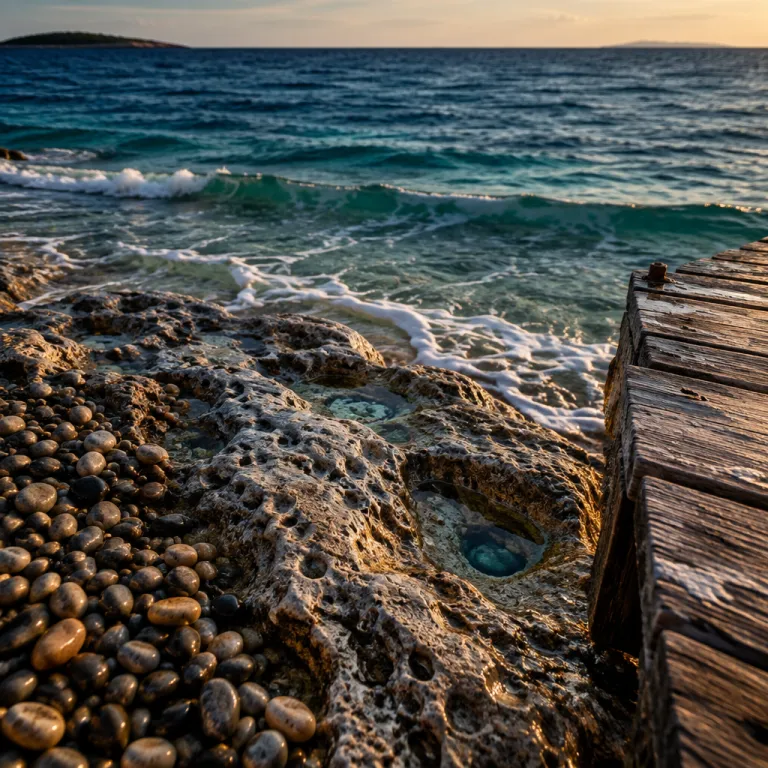
Setting your pace: how to use this best Croatian islands guide
Choosing one Croatian island over another is really about rhythm. Some islands in Croatia hum late into the night, while others fall quiet as soon as the last ferry leaves the harbor. This best Croatian islands guide is built around pace, privacy, and how you actually like to travel.
Think of the croatian islands as a spectrum, not a ranking of which is best. At one end sit harbor culture hubs like Hvar town and the old port of Split, where sailing yachts, catamarans, and late dinners define the day. At the other end you find slower croatian island retreats such as Mljet and Šolta, where pine forests, small beaches, and a single konoba can shape your entire islands visit.
For luxury and premium hotel seekers, the question is simple yet demanding. Which island in Croatia matches your preferred tempo, from sunrise swims to midnight drinks, without wasting days on awkward ferry connections ? This best Croatian islands guide focuses on real logistics, the accommodation landscape on each island, and how to combine islands Croatia in a way that feels effortless rather than exhausting.
The harbor culture islands: Hvar, Korčula and the Split–Dubrovnik axis
If you like energy with your sea views, start your island hopping around the Split and Dubrovnik corridor. Split is the main ferry and catamaran gateway for many croatia islands, and its Diocletian’s Palace core makes even a one night stay feel worth the detour. From here, this best Croatian islands guide points you toward Hvar, Korčula and the surrounding croatian islands that balance nightlife, heritage, and polished hotels.
Hvar is the archetypal harbor culture island, and Hvar town is its glossy stage. The waterfront is lined with yachts, cocktail bars, and some of the best luxury properties in the adriatic sea, while quieter stays sit above town in renovated stone houses. If you prefer a slower pace on the same island, Stari Grad offers a gentler harbor, fewer crowds, and easier access to beautiful beaches scattered along the northern dalmatian coast.
Korčula island feels more heritage focused than Hvar, with Korčula town wrapped in medieval walls and a calmer evening scene. Vela Luka on the western side of this croatian island is a working harbor town, useful for car ferry arrivals and for travelers who want a more local rhythm. Use this part of the best croatian islands guide if you want to visit Croatia for culture and wine, then sail or ferry onward toward Dubrovnik for a final night in a walled town hotel before flying home.
The quiet islands: Vis, Šolta and the art of doing very little
Some travelers arrive in Croatia travel mode and realize they actually want silence, not another harbor bar. For them, the quiet islands near Split offer a different definition of the best croatian experience, where the highlight of the day might be a swim off a private ladder. This section of the best Croatian islands guide is for people who measure luxury in empty coves and unhurried breakfasts.
Vis sits further out in the adriatic sea than Hvar, which naturally filters the crowds and keeps ferry numbers lower. Komiža and Vis town both have a low key charm, with family run restaurants, a few refined guesthouses, and easy access to small beaches that feel almost private outside peak weeks. Island hopping Croatia from Split to Vis and then onward to another croatian island works best if you accept slightly longer ferry crossings in exchange for more peace.
Šolta, closer to Split, is ideal for a short islands visit when you want quiet without complex logistics. Ferries are frequent, the island is small enough to cross in a short drive, and the accommodation mix leans toward villas and small upscale hotels rather than large resorts. For readers who like the idea of a refined, low profile island stay, pairing Šolta with a night or two in Split and then using a refined guide to Croatian islands for luxury seaside stays will help you fine tune where to spend each day.
The accessible and family friendly islands: Brač, Krk and easy logistics
Not every trip to the croatian islands is a solo escape or a sailing odyssey. Sometimes you need an island in Croatia that works for families, early ferries, and luggage that does not fit into a tiny speedboat. This part of the best Croatian islands guide focuses on accessible islands Croatia where logistics are simple and the accommodation range is broad.
Brač, just off Split, is a classic example of a croatia island that balances convenience and scenery. The famous Zlatni Rat beach near Bol is one of the most photographed beautiful beaches on the dalmatian coast, with a long shingle spit that shifts shape with the wind. While Zlatni Rat can be busy during the day, you can retreat to quieter coves or inland villages, then return to a premium hotel with a pool when the beach empties in the evening.
Krk, further north in the Kvarner Gulf, is connected to the mainland by a bridge, which removes the ferry variable entirely. That makes this croatian island particularly attractive for road trips and for travelers who dislike tight ferry schedules, especially when planning multi day stays. If you are mapping a wider quiet luxury corridor through Kvarner, use resources such as this Kvarner quiet luxury itinerary to combine Krk with Cres or Lošinj without losing time in transit.
The wild and remote islands: Mljet, Lastovo and the edge of the Adriatic
For some readers, the best croatian islands guide will always point toward the wildest edges of the map. If you are willing to trade frequent ferries for solitude, Mljet and Lastovo offer a very different kind of croatia travel experience. These islands in Croatia are about pine forests, national park landscapes, and nights where the loudest sound is the sea.
Mljet is famous for Mljet National Park, a protected area of saltwater lakes, walking paths, and shaded swimming spots. Staying on this croatian island means structuring your day around the park’s rhythm, from early morning walks to late afternoon swims when the light softens. Accommodation leans toward smaller hotels and villas, so booking early is essential if you want the best lake view rooms during peak croatian islands season.
Lastovo, further out in the adriatic sea, is one of the most remote inhabited islands Croatia offers to regular visitors. The island’s dark sky, sparse development, and deep bays make it a favorite for sailing crews and for travelers who want a true off grid feel. If you are already in Dubrovnik and wondering whether it is worth adding a wild island to your itinerary, this best Croatian islands guide suggests pairing Mljet National Park with a night or two on Lastovo, then returning by ferry to the mainland via Korčula island or another croatian island on the route.
How to combine islands without losing days to ferries
Island hopping sounds romantic until you spend a full day waiting for a delayed ferry. The smartest way to use this best Croatian islands guide is to cluster your islands visit around one main hub, usually Split or Dubrovnik. That way, you can move between a harbor culture island, a quiet island, and perhaps a wild croatian island without backtracking across the adriatic sea.
From Split, a classic three island Croatia route might be Brač for family friendly beaches, Hvar for nightlife and Hvar town harbor culture, then Vis for a slower final stretch. Each leg is a manageable ferry ride, and you can adjust the number of days on each island depending on whether you want more beach time or more sailing excursions. From Dubrovnik, a refined sequence could be Šipan or another Elaphiti island for quiet, then Mljet National Park for nature, followed by Korčula town for heritage and wine before you visit Dubrovnik again for a final night.
When planning hopping Croatia routes, always check whether ferries run island to island or only back to the mainland. Some croatia islands connect directly, while others require a return to Split or another port, which can cost you a full day. For travelers who value privacy and pace, it is often worth limiting your islands Croatia circuit to two or three stops, then using a dedicated quiet island guide to choose the one that best matches your preferred rhythm.
Accommodation landscapes: where luxury hotels actually work best
Not every island in Croatia has the same accommodation DNA, and that matters when you are booking premium stays. This best Croatian islands guide looks beyond marketing slogans to how each croatian island actually feels once you check in. Some islands are dense with full service hotels, while others lean heavily toward villas, apartments, and a handful of upscale properties.
Hvar town and parts of Brač have the most developed luxury hotel scenes along the dalmatian coast, with properties that offer pools, private beach access, and concierge teams who can arrange sailing days or winery visits. Korčula town has fewer hotels but a strong cluster of high quality options, many in renovated stone buildings overlooking the harbor. On Mljet and some quieter croatia islands, you will find more villas and smaller hotels, which can be perfect if you value privacy but less ideal if you expect full resort infrastructure.
For travelers planning to visit Croatia with a focus on service and amenities, it can be worth choosing a slightly busier island if that is where the best properties are located. A stay near Zlatni Rat on Brač or in Hvar town might mean more people on the main beach during the day, but also easier access to spas, fine dining, and organized sailing trips. Use this best croatian islands guide as a filter : decide first on your preferred pace and privacy level, then match that to the islands Croatia where the accommodation landscape actually supports the way you like to travel.
Key figures for planning your Croatian island stay
- According to Jadrolinija and major catamaran operators, Split handles several million ferry and catamaran passengers per year, making it the primary hub for island hopping Croatia along the central dalmatian coast.
- Hvar, Brač, Korčula and Vis together receive well over a million tourist arrivals annually, which means booking premium accommodation at least a few months ahead is often necessary for the best rooms.
- Mljet National Park covers roughly 54 square kilometers of land and sea, giving this small croatian island an unusually high ratio of protected nature to built up area compared with many other croatia islands.
- Travel data from the Croatian National Tourist Board shows that shoulder season stays on the croatian islands, especially in May, June, September and October, have grown steadily over the past decade as visitors seek fewer crowds and more favorable prices.
- Car ferries between Split and Brač can run more than ten times per day in peak season, while more remote islands like Lastovo may see only one or two daily connections, which significantly affects how many islands you can realistically visit in a single trip.
FAQ about choosing the best Croatian island by pace
Which Croatian island is best for a first time visit ?
For a first time visit Croatia trip, Brač or Hvar usually work best because they combine frequent ferry connections from Split with a wide range of hotels and beaches. Brač suits travelers who want family friendly resorts and easy access to Zlatni Rat, while Hvar town appeals more to those seeking nightlife and harbor culture. Both islands also pair well with a short stay in Split at the beginning or end of your journey.
How many islands should I include in one Croatia travel itinerary ?
Most travelers are happiest with two or three islands in a single itinerary, especially if they want to relax rather than pack and unpack every day. A good rule is to spend at least three nights on each croatian island, which gives you time for a beach day, a sailing or wine excursion, and an unplanned day. Trying to visit too many croatia islands often leads to lost time on ferries and less time enjoying the adriatic sea.
Is Mljet worth the extra travel time from Dubrovnik ?
Mljet is absolutely worth the extra travel time if you value nature, quiet, and walking or cycling more than nightlife. The combination of Mljet National Park, shaded paths, and calm bays makes this island in Croatia feel very different from busier destinations like Hvar town. If your pace is slow and you enjoy early mornings and early nights, Mljet can easily be the highlight of your croatian islands visit.
When is the best time of year to visit the Croatian islands ?
The best time to visit the croatian islands for most travelers is late spring and early autumn, when the sea is warm enough for swimming but the beaches are less crowded. July and August bring the most ferry connections and the liveliest harbor scenes, especially on Hvar and Korčula, but also the highest prices. Shoulder season months often offer better value for luxury hotels and a calmer overall pace on each island.
Do I need a car for island hopping Croatia ?
Whether you need a car depends on which islands Croatia you choose and how you like to move. Compact islands like Šolta or parts of Hvar can be explored with taxis, transfers, and occasional scooter rentals, especially if you stay near a main town or beach. Larger or more rural croatia islands, such as Brač or Mljet, reward travelers who bring or rent a car, particularly if they want to reach quieter coves and less developed parts of the dalmatian coast.