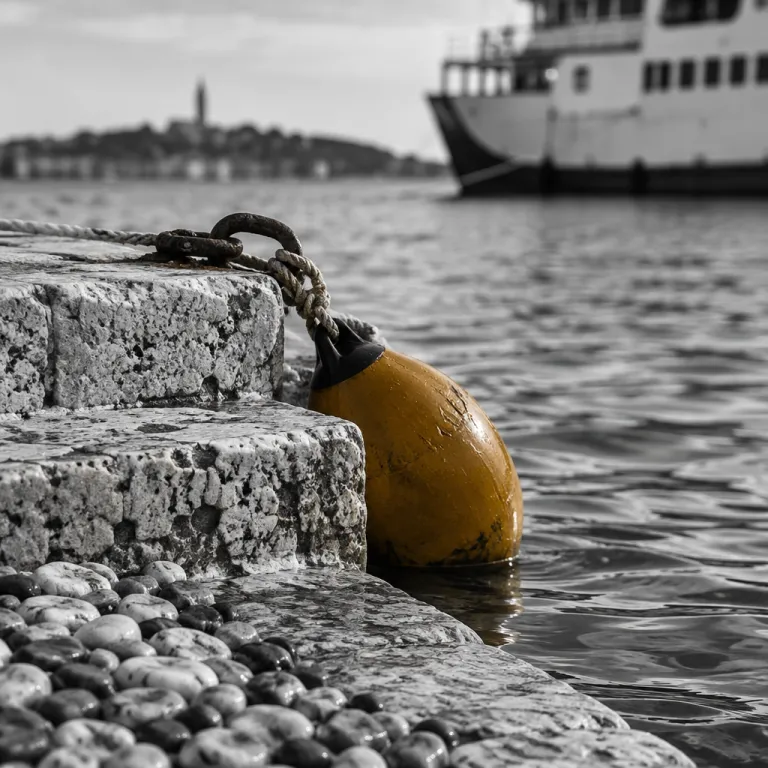
Planning a refined Venice Italy to Croatia ferry journey
Travellers considering a Venice Italy to Croatia ferry crossing are usually seeking a slower, more elegant way to arrive at the Adriatic. Sailing from Venice to Croatia by passenger boat turns a simple transfer into a coastal experience, especially when your final goal is a luxury or premium hotel stay. This sea-based trip also helps you arrive closer to historic ports, where five-star properties line the waterfront within walking distance.
The city of Venice in Italy remains the main northern Adriatic gateway, and the Venice–Croatia ferry connections link directly with several Croatian ports. From port Venice you can sail to Pula, Rovinj, Poreč, Umag and even Mali Lošinj on seasonal high-speed catamarans, which makes it easy to pair Italian culture with Croatian coastal escapes in a single week. Many travellers choose to arrive in Venice by train or bus, then continue on a Venice–Croatia boat service for a seamless, car-free itinerary.
Several ferry companies operate the Venice Italy to Croatia ferry routes, including Kompas and Venezia Lines, along with other regional operators that specialise in Adriatic crossings. These Croatia ferries usually run on a weekly or multi-weekly schedule in peak season, with more limited departures in the shoulder months. When planning, always check the exact hours and minutes of departure and arrival on the operator’s own timetable, because high-speed ferries can sell out quickly on popular days and schedules may change from year to year.
Key Venice to Croatia ferry routes for luxury coastal stays
The most popular Venice Italy to Croatia ferry routes serve ports that are ideal for premium hotel stays. The Venice–Rovinj route is especially attractive, because Rovinj’s old town rises directly from the sea and many luxury hotels sit within a short walk of the port. Travellers who book a Venice to Rovinj ferry often plan several days in a seafront suite before continuing south along the coast.
Another classic choice is the Venice–Pula connection, where each Venice–Pula ferry arrival brings guests close to the Roman amphitheatre and the marina. From the Pula ferry terminal, a short taxi ride leads to upscale resorts and refined hotels along the Verudela peninsula, which are perfect for guests who value privacy and sea views. Those who prefer quieter towns often choose the Venice–Umag or Venice–Poreč ferries, then continue by bus or private transfer to nearby wine regions and spa hotels.
For travellers planning a longer week on the Adriatic, combining several Venice–Croatia ferry routes can create a graceful coastal itinerary. One option is to arrive by boat from Venice to Rovinj, spend three days in a heritage hotel, then continue by road to Pula for another two nights. Late-season travellers often appreciate calmer ports and better room availability, and resources such as September on the Adriatic hotel guides can help you select properties that shine after the main crowds depart.
From ferry port to five star lobby: transfers and timing
Once your Venice Italy to Croatia ferry tickets are confirmed, the next step is planning transfers from the port to your hotel. In compact towns such as Rovinj or Poreč, many premium hotels are within 500 to 800 metres of the port, so you can walk with light luggage in less than fifteen minutes. In larger cities such as Pula or Split, a short taxi or pre-booked car transfer usually offers the most comfortable option, especially after a long travel day.
Some Croatia ferry arrivals connect smoothly with regional bus services, which can be useful if you are heading towards Split or the Split–Dubrovnik corridor. For example, travellers arriving in Pula by ferry can take a bus south along the coast, then continue by another ferry or catamaran towards Split, where high-end hotels cluster around the Riva promenade. When planning these multi-leg ferry routes, allow generous hours and minutes between each segment, because port traffic and sea conditions can affect timing.
Luxury travellers often combine the Venice Italy to Croatia ferry with stays in emerging destinations such as the Kvarner Gulf, where new five-star properties are opening. The recent arrival of international brands on this coastline, highlighted in analyses such as Kvarner coast luxury hotel reports, shows how the region is evolving beyond traditional resort models. From ports like Mali Lošinj, you can reach these hotels by private boat transfer or a scenic drive, turning a simple transfer into part of the overall experience.
Choosing the right ferry company, schedule and price level
When comparing Venice Italy to Croatia ferry options, focus on three elements: schedule, comfort and total price. Some high-speed ferries complete the crossing in a few hours and minutes, while others follow slightly longer ferry routes that call at several ports in Croatia. If you value a relaxed pace and sea views, a slightly longer crossing can feel more like a mini cruise than a simple transfer.
Operators such as Kompas and other established ferry companies publish detailed timetables for Venice–Croatia services, including Venice–Rovinj, Venice–Pula, Venice–Umag and Venice–Poreč. As an example, a typical high-season Kompas sailing from Venice to Rovinj has recently been scheduled to depart around late afternoon and arrive in the evening, with one-way economy fares often starting in the region of €70–€90 per person according to 2023–2024 operator price lists. These timetables show which ferries operate on specific days of the week, which is crucial if you are aligning your arrival with a non-flexible hotel reservation. Because many luxury hotels in Croatia require advance payment or strict cancellation terms, always secure your ferry tickets before locking in non-refundable room rates.
Price levels for the Venice Italy to Croatia ferry crossings vary according to season, route and class of service. A standard seat on a high-speed catamaran from port Venice to Rovinj will usually cost less than a premium-class ticket on a longer route that includes multiple Croatian ports. For travellers who value comfort, paying a higher price for extra legroom, quieter lounges and priority boarding can be worthwhile, especially when starting a special trip that includes several nights in a leading coastal hotel.
Linking Venice, Ancona and Split for extended coastal escapes
Some travellers combine the Venice Italy to Croatia ferry with other Adriatic routes to create a longer coastal journey. One classic pattern is to arrive in Italy and Croatia via Venice, then continue south by train or bus to Ancona, where additional ferries connect to Split and other Croatian ports. The Ancona–Split route is particularly useful if you plan to explore Dalmatia in depth, including islands and the Split–Dubrovnik corridor.
By pairing Venice–Croatia ferries with the Ancona–Split crossing, you can design a week or longer that includes both Istria and Dalmatia without internal flights. For example, you might sail from port Venice to Pula, spend several days in a seafront hotel, then travel overland to Ancona for the overnight ferry to Split. From Split, high-speed catamarans connect to islands such as Hvar and Brač, where luxury resorts and refined villas line quiet bays.
Travellers who appreciate heritage-rich environments often extend their trip to include national parks and protected archipelagos. From Pula or Rovinj, it is easy to arrange a short transfer to the Brijuni islands, where curated stays are profiled in resources such as refined escapes to the Brijuni archipelago. Combining these stays with Venice Italy to Croatia ferry journeys allows you to move between historic cities and tranquil islands while maintaining a consistent standard of accommodation.
Practical tips for booking ferry tickets and luxury hotels
Securing Venice Italy to Croatia ferry tickets early is essential, especially in peak summer when services from Venice can reach capacity. Aim to book your ferry tickets at least several weeks in advance, particularly for popular routes such as Venice–Rovinj and Venice–Pula. If your schedule is flexible, consider travelling on mid-week days, when both ferry prices and hotel rates can be more favourable.
When planning a premium stay, align your ferry arrival time with hotel check-in policies to avoid long waits in the lobby. Many five-star properties in Croatia will hold your luggage and offer spa or pool access if you arrive before your room is ready, which can be especially welcome after a high-speed crossing from Italy. If your ferry arrives late in the evening, consider booking a hotel close to the port for the first night, then transferring to a more remote resort the next day.
For travellers who value seamless logistics, some luxury hotels in ports such as Split, Rovinj or Pula can arrange private transfers directly from the ferry terminal. This service may cost more than a standard bus or taxi, but it removes uncertainty and sets the tone for the rest of your trip. When comparing offers, look at the total price of the journey, including ferry tickets, transfers and any added services, rather than focusing only on the base fare of the Venice Italy to Croatia ferry.
Designing a week of coastal escapes around ferry ports
A well-planned Venice Italy to Croatia ferry itinerary can anchor an entire week of coastal escapes in style. One refined option is to start in Venice, sail to Rovinj for three nights in a waterfront hotel, then continue by road to Pula for two nights near the amphitheatre. You can then travel south towards Zadar or Split, using regional Croatia ferries and buses to reach islands and quieter coastal towns.
Another approach is to focus on the northern Adriatic and Kvarner Gulf, using Venice–Umag, Venice–Poreč and Mali Lošinj connections to hop between ports. From Mali Lošinj, for example, you can reach intimate luxury hotels set among pine forests and sheltered bays, which are ideal for guests seeking privacy and wellness-focused stays. Pairing these nights with time in Venice and Istrian ports creates a balanced trip that blends culture, gastronomy and sea-based relaxation.
Whichever pattern you choose, treat the Venice Italy to Croatia ferry not just as transport, but as the opening chapter of your coastal journey. The views of the Adriatic, the approach to stone-built ports and the ease of stepping from ship to shore all contribute to the sense of arrival. With thoughtful planning around ferry routes, hotel locations and transfer options, your Italy–Croatia journey can feel coherent, elegant and entirely aligned with a premium travel experience.
Key figures for Venice to Croatia ferry and coastal stays
- Typical Venice to Rovinj high-speed ferry crossings take around 3 to 4 hours, which makes them competitive with flying once airport transfers and security times are included, according to recent operator timetables from companies such as Kompas and Venezia Lines.
- Many Venice to Croatia ferry routes operate seasonally from late spring to early autumn, with frequencies rising to several departures per week in peak months, based on published schedules from major ferry companies in 2023 and 2024.
- The distance from Venice to Pula by sea is roughly 135 kilometres, which allows travellers to leave Italy in the morning and check into a Croatian coastal hotel by mid-afternoon on the same day, according to nautical distance charts for the northern Adriatic.
- Average summer sea temperatures in the northern Adriatic often reach 23 to 26 degrees Celsius, creating comfortable conditions for swimming soon after arrival, according to regional meteorological data from the Croatian Meteorological and Hydrological Service.
- Premium coastal hotels in Croatian ports such as Rovinj and Split frequently report occupancy rates above 80 percent in high season, which underlines the importance of aligning ferry bookings and room reservations early, as indicated by recent reports from the Croatian National Tourist Board and hotel industry surveys.
FAQ about Venice Italy to Croatia ferry travel and luxury hotels
How far in advance should I book a Venice to Croatia ferry for a luxury trip ?
For a Venice Italy to Croatia ferry journey linked to premium hotel stays, aim to book at least four to six weeks ahead. Popular routes such as Venice–Rovinj and Venice–Pula can sell out on peak days, especially around weekends. Early booking also helps you coordinate ferry times with non-refundable hotel reservations.
Which Croatian ports are best for high end coastal hotels when arriving from Venice ?
Rovinj and Pula are the most convenient ports for guests seeking luxury hotels directly linked to Venice ferry routes. Rovinj offers several five-star properties within walking distance of the port, while Pula provides easy access to upscale resorts on nearby peninsulas. From these ports, you can also connect by road or regional ferries to destinations such as Mali Lošinj and the Kvarner Gulf.
Is the Venice to Croatia ferry faster than flying for coastal escapes ?
In pure travel time, flying can be quicker, but the Venice Italy to Croatia ferry often becomes competitive once you include airport transfers and security checks. High-speed ferries usually take a few hours and minutes, and they deliver you directly into central ports. For many travellers, the relaxed boarding process and sea views outweigh a slightly longer total journey.
Can I reach Split or Dubrovnik using Venice and Ancona ferry routes ?
Yes, you can combine Venice–Croatia ferries with the Ancona–Split route to reach Dalmatia without flying. One option is to sail from Venice to an Istrian port, travel by bus or train to Ancona, then take the Ancona–Split ferry. From Split, onward ferries and buses connect to Dubrovnik and nearby islands, where many luxury hotels are located.
Are there luggage limits on Venice to Croatia high speed ferries ?
Most ferry companies on the Venice Italy to Croatia ferry routes allow at least one suitcase and one small bag per passenger, but exact limits vary. High-speed catamarans can have stricter rules than larger ships, especially on busy days. Always check your chosen operator’s luggage policy before finalising hotel and transfer arrangements.