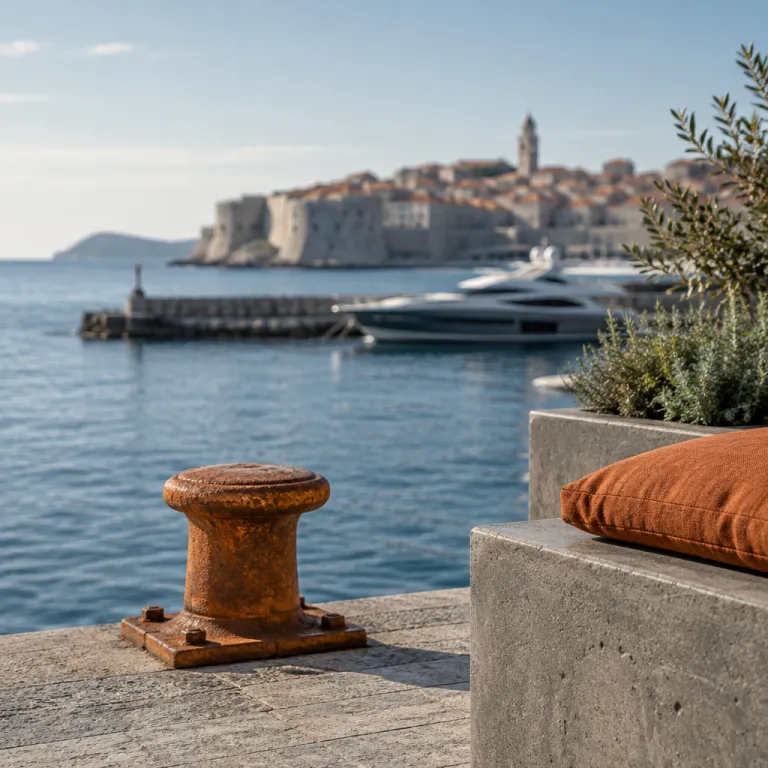
Planning a luxury journey from Dubrovnik Croatia to Split Croatia
Travelling from Dubrovnik Croatia to Split Croatia invites you to balance coastal glamour with historic depth. This Adriatic journey between Dubrovnik and Split shapes your entire travel rhythm, especially when you are pairing five star hotels with seamless transfers. Think of this route as the spine of your itinerary, connecting city walls, islands, and refined Adriatic experiences.
Most travellers compare the Dubrovnik–Split journey by road with the sea route, weighing every ferry ticket, private transfer, and flight against their schedule. When you plan early, you can align ferry timetables, hotel check in times, and restaurant reservations so that every transfer feels effortless rather than rushed. For luxury guests, the choice of ferry company, class of seat, and even the port arrival lounge can matter as much as the hotel suite itself.
The coastal route through Croatia links two UNESCO listed cities, and the way you move between them influences how many Croatian islands you can include. A passenger ferry or catamaran can turn simple transport into a scenic mini cruise, while a chauffeured car along the coast offers flexibility for winery or viewpoint stops. Decide first whether you prefer to feel the sea breeze on deck or the quiet of a private vehicle, then build your Dubrovnik–Split hotel bookings around that decision. As a rule of thumb, travellers who value views and island stops should prioritise the catamaran, while those with complex luggage or mobility needs often find a private car more practical.
Choosing between ferry, catamaran, and bus on the Adriatic route
For many visitors, the most atmospheric way to travel from Dubrovnik Croatia to Split Croatia is by sea. The fast catamaran ferries operated by companies such as Krilo and Jadrolinija connect Dubrovnik port with Split ferry terminals, often stopping at at least one island along the way. These passenger ferry services are ideal for travellers without a car, especially those staying in central luxury hotels who prefer to arrive on foot.
On the main ferry route, sailing times vary by operator and by the number of island stops. A typical catamaran between port Dubrovnik and Split ferry port takes around 4–5 hours, with individual legs sometimes listed separately on ferry timetables. During high season, extra ferries are usually added, but the most popular sailing times and premium seats still sell out quickly, so booking a ferry ticket several days ahead is wise. As an example, a mid July morning Krilo catamaran has recently been scheduled at about 4 hours 15 minutes, while a multi stop Jadrolinija service can be closer to 4 hours 45 minutes.
Some travellers still prefer the bus between Dubrovnik and Split, especially when they want direct road access to inland hotels or villas. The bus route can take a similar duration to the slower ferries, but it lacks the open sea views and relaxed sailing atmosphere. If your priority is to attend cultural events in Split, such as those listed in a detailed Split cultural calendar, then an early morning ferry Dubrovnik departure or a late evening Split–Dubrovnik return by bus can help you match performance times. For most leisure itineraries, an expert recommendation is to choose the catamaran in summer and keep the bus as a weather dependent backup.
Ports, terminals, and timing your hotel check in
Understanding each port layout is essential when pairing a Dubrovnik Croatia to Split Croatia transfer with a premium hotel stay. Port Dubrovnik, often referred to as Gruž, sits about 3 km from the Old Town, so a short taxi or hotel car is usually needed after you arrive on a passenger ferry. In Split, the main ferry port lies directly beside the historic centre, which means many luxury hotels and high end apartments are within easy walking distance.
When you travel as a foot passenger, plan how long it takes to move from the ferry company pier to your hotel lobby. In Split ferry terminals, luggage friendly pavements and short walking times make it realistic to reach your room within 15–20 minutes after disembarkation. In Dubrovnik, the journey time can be slightly longer because of traffic, so allow at least 30–40 minutes between your scheduled arrival and any restaurant or spa reservation. For instance, guests staying at a five star property near Pile Gate often report a 10 minute taxi ride from Gruž in light traffic, but closer to 25 minutes on busy August evenings.
Some travellers choose to break the Dubrovnik–Split journey with a night in Zagreb or another city, especially when they are building a wider Croatian itinerary. If you are considering this, a carefully timed domestic flight or intercity bus can connect your coastal route with a curated stay in the capital, as outlined in this guide to spending a weekend in Zagreb. Aligning your ferry ticket, bus schedule, and hotel check in across several cities requires more planning, but it rewards you with smoother transitions and fewer wasted hours. A practical expert tip is to keep at least a two hour buffer between any domestic flight and your chosen ferry departure.
Fares, classes, and what affects ferry prices
When comparing prices for the Dubrovnik Croatia to Split Croatia journey, you will notice clear patterns across seasons and ferry operators. In high season, the average price for a standard foot passenger seat on a fast catamaran can rise significantly compared with shoulder months. Luxury travellers often prefer flexible tickets or premium seating areas, which cost more but offer better comfort and easier changes.
Each ferry company publishes its own fare structure, with different prices for adults, children, and sometimes for extra luggage. On the main ferry route between Dubrovnik and Split, you will usually find at least one passenger ferry with reserved seating and another with open seating, and the average price reflects that difference. When you book online, check whether the ferry ticket includes assigned seats, luggage allowances, and any priority boarding that might matter if you are arriving from a late running flight or private transfer. Recent high season fare tables from major operators show one way adult tickets in the region of 35–55 euros, with flexible or business style options at the upper end of that range.
Bus tickets between Dubrovnik and Split can be cheaper than ferries, but the overall travel time is often similar once you factor in road traffic. For travellers staying in high end hotels, the small saving on a bus ticket may not justify the less scenic route and more crowded conditions. A useful strategy is to compare the total cost of your chosen Dubrovnik–Split transfer, including taxis to each port, against the value of the sea views and relaxed sailing times you gain on a catamaran. As a simple benchmark, if the combined ferry and taxi cost is less than 20–25 euros more per person than the bus, most comfort focused travellers consider the upgrade worthwhile.
Island hopping between Dubrovnik and Split for luxury stays
The route from Dubrovnik Croatia to Split Croatia passes near some of the most desirable Croatian islands for luxury travellers. Many catamaran ferries stop at islands such as Korčula, Hvar, or Brač, allowing you to design a multi stop itinerary that links several high end hotels. When you study ferry timetables, look for routes that allow one or two nights on an island without forcing very early or very late sailing times.
Some ferry operators run services that connect port Dubrovnik with island ports in the Elaphiti archipelago, then continue north toward Split. These ferries can be ideal if you want a quieter first stop, perhaps on Šipan, before heading to busier destinations, and a detailed luxury guide to Šipan island can help you choose the right property. When planning, remember that high season brings more frequent ferries but also higher demand, so secure both your ferry ticket and your island hotel well in advance. A sample route might be Dubrovnik–Šipan–Korčula–Hvar–Split over seven nights, using afternoon sailings to avoid rushed early mornings.
Travellers who enjoy sailing sometimes charter a yacht or join a small ship cruise between Dubrovnik and Split, turning the transfer into a multi day voyage. This option offers maximum flexibility in route and timing, but it requires careful coordination with hotel check in and check out times in each port. Whether you choose scheduled ferries, a private catamaran, or a yacht charter, the key is to align your sea days with your preferred balance of city energy and island calm. As an expert guideline, keep at least one full free day between embarkation or disembarkation and any non refundable spa or fine dining booking.
Practical timing tips for a seamless Dubrovnik Split itinerary
Designing a refined itinerary from Dubrovnik Croatia to Split Croatia means paying close attention to time, not only to distance. Many catamaran services list their duration in hours, but boarding and disembarkation can add extra minutes that matter when you have spa bookings or fine dining reservations. Aim to leave at least one spare hour between your scheduled arrival at any ferry port and your first fixed commitment in the next city.
Morning sailing times from Dubrovnik to Split are popular with travellers who want to check into their hotel, enjoy lunch, and still have an afternoon for sightseeing. Evening ferries suit those who prefer a full day in Dubrovnik, then a late arrival in Split, but this can compress your time if your hotel has an early spa closing time. When you plan, consider your own energy levels as much as the timetable, especially if you are combining ferries, a bus transfer, and several hotel changes in one week. A realistic example is a 7:30–11:45 catamaran, a short walk to a central Split hotel, and a 14:00 spa appointment, which leaves enough margin for minor delays.
Some booking platforms use a "jump to top" or similar function to help you compare multiple Dubrovnik–Split options quickly, but it is still worth reading the details of each ferry route. Check whether the service is a pure passenger ferry or a mixed vessel, how many island stops it makes, and whether it is operated by Krilo, Jadrolinija, or another company. A little extra attention at the planning stage will help you avoid last minute stress and keep your Croatian coastal journey as polished as your chosen hotels. In practice, reviewing the small print on current timetables and fare rules for your exact travel month is one of the most effective ways to prevent surprises.
Key figures for travel between Dubrovnik and Split
- Typical fast catamaran sailing times between Dubrovnik and Split range from about 4 hours to 4 hours 30 minutes, depending on island stops and ferry operators, according to published schedules from Krilo and Jadrolinija for the 2023 and 2024 seasons.
- The average price for a one way foot passenger ticket on a high season catamaran between Dubrovnik and Split usually falls between 35 and 55 euros, based on recent fare tables from major ferry company websites for peak summer departures.
- Direct buses between Dubrovnik and Split generally take between 4 hours 30 minutes and 5 hours 30 minutes, with variations caused by coastal traffic and border procedures, as shown in schedules from Croatian intercity bus providers updated for 2023–2024.
- Split ferry port handled around 5.4 million passengers in 2022, making it one of the busiest passenger ferry hubs on the Adriatic, according to data from the Port of Split Authority published in its 2022 annual report.
- Dubrovnik’s main port at Gruž lies roughly 3 km from the Old Town, while Split’s ferry port is less than 500 m from Diocletian’s Palace, which significantly affects transfer times to central luxury hotels and supports the preference for walking transfers in Split.
FAQ about travelling from Dubrovnik to Split
Is it better to travel from Dubrovnik to Split by ferry or by bus ?
For most leisure travellers, the ferry offers a more scenic and relaxing experience than the bus, with open sea views and the option of island stops. Buses can be slightly cheaper and sometimes more frequent in shoulder seasons, but they are more exposed to traffic delays. If you value comfort and coastal scenery, a fast catamaran is usually the better choice.
How far in advance should I book my ferry ticket between Dubrovnik and Split ?
In high season, it is sensible to book at least several days in advance, especially for popular morning and weekend departures. Luxury travellers who need to coordinate hotel check in, private transfers, or restaurant reservations should secure tickets as soon as their dates are fixed. Outside peak months, you may find more flexibility, but advance booking still reduces stress.
Can I travel as a foot passenger and still reach my hotel easily ?
Yes, both Dubrovnik and Split are well set up for foot passengers arriving by ferry. In Split, many central hotels are within walking distance of the ferry port, while in Dubrovnik a short taxi or hotel transfer usually connects the port with the Old Town or resort areas. Check your hotel’s exact location and ask whether they offer a private pick up service from the port.
Are there direct ferries between Dubrovnik and Split all year round ?
Direct fast catamaran services are most frequent in high season, when demand is strongest. In shoulder or low seasons, some routes may run less often or not at all, and you might need to combine a ferry with a bus or consider a flight. Always check current ferry timetables from operators such as Krilo and Jadrolinija before finalising your plans.
How should I coordinate my hotel bookings with ferry timetables ?
Start by choosing your preferred sailing times, then look for hotels with flexible check in or luggage storage near the port. Allow at least one extra hour between your scheduled arrival and any fixed appointment, such as a spa treatment or dinner reservation. Communicate your expected arrival time to your hotel so they can prepare early check in or hold your bags if your room is not yet ready.
Suggested sources for up to date schedules and regulations : Croatian Ministry of Sea, Transport and Infrastructure ; official websites of Krilo and Jadrolinija ; Croatian National Tourist Board.