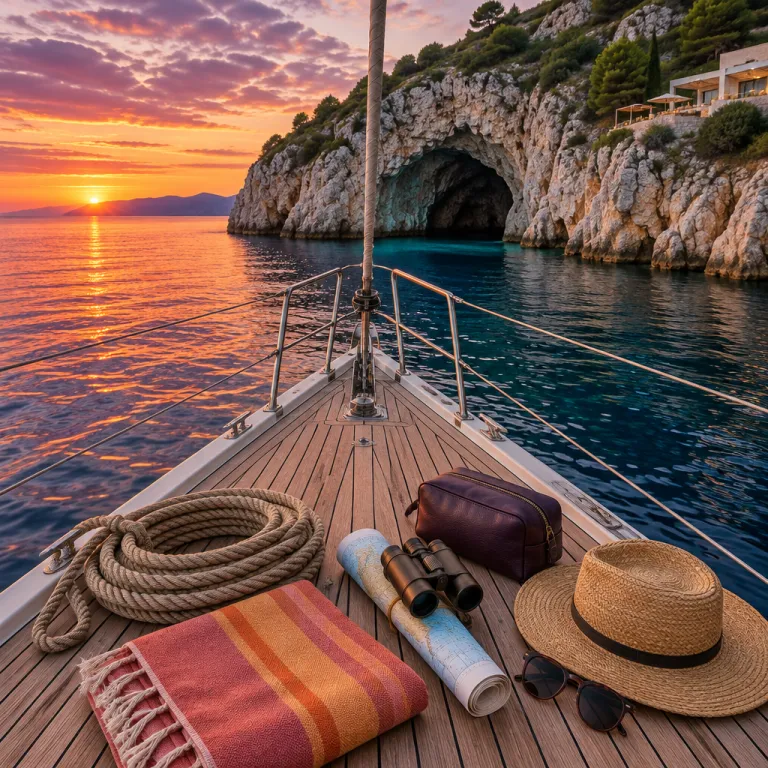
Planning a luxury escape to the blue cave in Croatia from Dubrovnik
When travelers talk about the blue cave in Croatia from Dubrovnik, they are usually referring to the famous Modra špilja (Blue Cave) on the island of Biševo, near Vis. This sea cave is one of Croatia’s most photographed natural sights, but it is not a quick hop from Dubrovnik; reaching it in comfort requires a carefully planned combination of transfers. For guests staying in premium hotels in Dubrovnik, a curated itinerary that links the city with Split or Vis and then a dedicated cave tour by boat turns a simple day on the sea into a tailored Adriatic journey. Choosing the right property, the right route north, and the right tour from the marina shapes how you will remember the light and water inside the cave.
High end hotels near Gruž Port and the historic marina in Dubrovnik often partner with trusted operators for small group tours and private charter experiences along the local Elaphiti Islands and nearby caves. Well regarded companies such as Dubrovnik Boat Tours, Elite Travel, or Adriatic Explore typically run these itineraries with English speaking skippers and modern vessels, and many also help guests connect with partners in Split or on Vis for a Biševo Blue Cave excursion. From these hotels, you are usually only a few minutes from the departure point for a local cave cruise, while a transfer to Split or another Croatian marina for the Modra špilja segment is arranged separately. Many concierges design a multi day program that includes a Dubrovnik based cave near the city, the serene island of Koločep, and then a longer day trip or overnight stay closer to the Blue Cave region.
When planning your stay, look for properties that understand the rhythm of a cave tour schedule between April and October and the extra travel time needed to reach Biševo. You will want flexible breakfast times, late check out options, and easy transfers from the hotel to Gruž or the Old Town marina so that your local group tour or private charter begins smoothly, plus clear guidance on when to travel north toward Split or Vis. As one long time concierge at a five star hotel near Lapad explains, “Our guests never see the logistics; they just step from the lobby into the car, and then from the pier onto the yacht.” A well designed Dubrovnik focused itinerary that includes time inside a nearby cave, swimming in clear blue water, and then a separate Blue Cave day from Split or Vis will feel effortless when your hotel team coordinates every detail from marina to marina.
Choosing the right coastal base in Dubrovnik for a blue cave day
Location matters when you are selecting a luxury hotel as your base for a blue cave Croatia from Dubrovnik experience, especially if you plan to combine local island hopping with a longer excursion toward Biševo. Properties near the Lapad peninsula, Gruž Port, or the Old Town marina reduce transfer time and keep your days on the sea relaxed. Being only minutes from the departure point means you can enjoy a slow breakfast before a Dubrovnik area cave tour and still reach the boat without stress, then focus on the longer transfer north on a separate day.
Many premium hotels in Dubrovnik now design packages that combine a Dubrovnik tour of the city walls with a half day or full day on the water around the Elaphiti Islands. These offers often include a small group cave tour, a sunset cruise, or a private charter that sails from Gruž or from the Old Town harbor, depending on sea conditions. Typical shared excursions to the Blue Cave region near Vis, starting from Split or Hvar, are priced around €70–€120 per person, while private motorboat charters for a couple or family can range from roughly €600 to more than €1,200 for a full day, depending on boat size and inclusions. When you book through your hotel, ask whether the package includes direct transfers from the Dubrovnik hotel lobby to Gruž, and whether they can also arrange a car or domestic flight to Split plus a boat tour from there, as these details transform the overall feeling of your stay.
If you are arriving in Croatia by sea, you might pair your Dubrovnik stay with a refined coastal escape such as sailing from Venice to Croatia by ferry. This kind of journey allows you to experience different Croatian marinas, from Marina Frapa in Rogoznica to smaller harbors closer to Dubrovnik, before you focus on the Blue Cave and nearby grottoes. Once in Dubrovnik, your hotel concierge can suggest the best time of day for entering the inside cave area near Biševo, when the blue light is at its most intense and the water appears almost unreal, and can help you decide whether to travel to Split by road, air, or coastal ferry.
Understanding the blue cave experience and how light shapes your day
The magic of the blue cave in Croatia from Dubrovnik, specifically Modra špilja on Biševo, lies in the way sunlight filters through the sea and reflects inside the rock chamber. When the sun reaches the right angle, the underwater opening fills the interior with a glowing blue light that seems to rise from the water itself. This natural phenomenon is sensitive to time of day, weather, and sea conditions, which is why experienced operators and hotel concierges pay close attention to forecasts and tide charts when advising guests.
Most tours that include the Blue Cave near Vis operate between April and October, when the Adriatic is calmer and the light is more predictable. A typical Blue Cave excursion from Split or Hvar will combine Modra špilja with other caves, swimming stops, and visits to islands such as Vis, Biševo, or the Pakleni archipelago, while a Dubrovnik based cave tour focuses more on Koločep and the Elaphiti coastline. On a well planned small group itinerary, you will usually spend only a few minutes inside the cave itself, but the memory of that blue light stays with you long after you return to your hotel.
Travelers who prefer quieter luxury often extend their journey beyond Dubrovnik and the Blue Cave to explore Croatia’s less crowded coasts. Routes such as the one described in this guide to mapping the Kvarner’s quiet luxury corridor show how different the Adriatic can feel just a few hours away. Whether you are sailing from Marina Frapa, from Gruž, or from another Croatian marina, the contrast between the intense blue inside cave spaces and the open sea around Koločep, Vis, and other islands gives your trip a satisfying balance.
Private charter versus small group tours for premium travelers
For guests staying in luxury hotels, the choice between a private charter and a small group tour to the blue cave Croatia from Dubrovnik is central to the experience, especially once you factor in the distance to Biševo. A private charter from Split, Hvar, or Vis offers full control over departure time, route, and how long you spend at each cave, including the Blue Cave and other grottoes along the Dalmatian coast. This option suits couples, families, or friends who value privacy, tailored service, and the ability to adjust plans if the sea or light conditions change.
Small group tours, on the other hand, provide a sociable way to experience the Adriatic while keeping costs lower than a private charter. Many operators limit the number of guests on these small group departures so that everyone has space on deck and time to swim in the clear water around Koločep, Vis, or nearby islands. When booking through a premium hotel in Dubrovnik, you can often select between a half day group tour in the local archipelago, a full day Blue Cave excursion that starts from Split with a private transfer from Dubrovnik, or a sunset cruise that returns to the marina just as the city lights begin to glow.
Some travelers combine both styles during a longer Croatian stay, perhaps starting with a structured Dubrovnik tour and group cave outing, then upgrading to a private charter once they understand the coastline and the transfer times. If you are staying in different regions, such as the quieter eastern plains highlighted in this article on Slavonia’s slow travel appeal, you will notice how each area offers a distinct rhythm. Returning to Dubrovnik for a final day on the sea, with a carefully timed visit inside a local cave and a last swim near cave Koločep, or ending your trip with a Blue Cave day from Split, is a fitting way to close a Croatian journey.
How luxury hotels in Croatia curate blue cave and sea experiences
Premium hotels along the Croatian coast have refined the art of integrating sea based experiences like the blue cave Croatia from Dubrovnik into their guest services, while also being honest about distances and transfer options. In Dubrovnik, concierges maintain close relationships with skippers who know the local caves, the marina entrances, and the shifting patterns of light inside the rock formations, and many also liaise with partners in Split and on Vis for Modra špilja. This collaboration ensures that when you step onto the boat, every detail from safety to timing has already been considered.
Many five star properties offer dedicated sea desks where you can review different cave tours, from half day small group outings around the Elaphiti Islands to full day private charter itineraries that connect with Blue Cave departures further north. Staff will explain how long it takes to reach the Blue Cave from Dubrovnik in realistic terms—often four to five hours of combined road or air and sea travel each way if done in a single day—how many minutes from the marina you will spend inside the cave, and what to expect from the water temperature between April and October. They can also arrange a Dubrovnik tour that pairs a morning on the city walls with an afternoon cave cruise nearby, so you experience both stone and sea in a single day without overextending yourself.
Outside Dubrovnik, hotels near Marina Frapa and other Croatian marinas follow a similar model, often focusing on sailing routes that link several islands and caves. Guests might board a boat from Marina Frapa in the morning, visit a series of grottoes with striking blue light, and return in time for a late dinner on a terrace overlooking the sea. Whether you depart from Gruž, from Marina Frapa, or from a smaller harbor closer to Vis, the goal is the same: to create a seamless journey from your room to the water and back again.
Practical tips for timing, comfort, and safety on a blue cave day
Thoughtful planning makes a blue cave Croatia from Dubrovnik excursion feel as refined as your hotel stay. The most important factor is time, because the intensity of the blue light inside the cave depends on the angle of the sun, and the distance from Dubrovnik means you must decide whether to base yourself closer to Split or Vis for the actual cave visit. Your hotel concierge or tour operator will usually recommend a specific window during the day when the water glows most vividly and the sea is calmer, and will help you choose between a very early start from Dubrovnik or an overnight stay nearer the departure marina.
Comfort on board matters, especially if you are combining the Blue Cave with other caves near Dubrovnik and swimming stops around Koločep or Vis. Choose a boat that offers shade, easy access to the water, and enough space for your group, whether you are on a small group tour or a private charter. If you are prone to motion sickness, ask for a seat near the center of the boat and avoid heavy meals just before departure from the marina, and consider scheduling a rest day in Dubrovnik after a long Blue Cave excursion.
Safety standards along the Croatian coast are generally high, but it is still wise to check that your chosen operator provides life jackets, clear briefings, and realistic expectations about how many minutes you will spend inside the cave. During the main season from April to October, popular routes from Gruž, Split, and other marinas can become busy, so patience is essential when waiting your turn to enter the cave. Returning to your hotel after a long day on the sea, you will appreciate thoughtful touches such as late spa hours, light evening menus, and staff ready to help you plan your next Dubrovnik tour, island escape, or inland detour.
Extending your Croatian journey beyond Dubrovnik and the blue cave
While the blue cave Croatia from Dubrovnik is a highlight for many visitors, especially when combined with a broader Dalmatian itinerary, numerous luxury travelers choose to extend their stay and explore other Croatian regions. After a few days of cave tours, sea swims, and Dubrovnik tours, you might crave quieter landscapes and slower rhythms. Inland areas and lesser known coasts offer a different kind of light, where the focus shifts from the inside cave glow to vineyards, plains, and historic towns.
One way to structure a longer trip is to begin with a coastal base in Dubrovnik, using it as a hub for a half day or full day cave tour, a sunset cruise, and perhaps a private charter that reaches Koločep and nearby islands. From there, you can travel north toward Marina Frapa and the Kvarner Gulf, following routes like those described in guides to quiet luxury corridors along the Adriatic, and then continue toward Split or Vis for a dedicated Blue Cave day. Each new marina and sea view adds context to your first memory of the glowing cave, showing how varied the Croatian coast can be within just a few hours of travel time.
Another option is to combine the coast with inland regions, balancing days on the water with nights in heritage rich towns and countryside estates. After the intensity of the blue light inside the cave and the busy energy of Dubrovnik, a stay in a rural property or a historic city hotel can feel restorative. Wherever you go next, the contrast between the luminous water of the Blue Cave, the softer tones of the Croatian interior, and the stone streets of Dubrovnik will deepen your sense of the country’s character.
Key figures and trends for blue cave and coastal tourism in Croatia
- The Croatian National Tourist Board has reported that coastal regions, including Dubrovnik Neretva County, consistently account for more than 85 percent of all tourist overnights, underlining how central sea based experiences like Blue Cave tours are to the country’s appeal. According to the Board’s annual statistical overviews, this share has remained stable for several years and is publicly available in their tourism reports.
- Passenger traffic through Dubrovnik’s Gruž Port has grown steadily over the past decade, with several hundred thousand cruise and ferry passengers passing through annually, which increases demand for structured half day and small group sea excursions. Local port authority summaries indicate that in strong years, total passenger movements can exceed one million when cruise and regular lines are combined, a figure frequently cited in regional transport statistics.
- Marina Frapa, often cited as one of the most awarded marinas in the Adriatic, offers more than 400 berths, reflecting the scale of Croatia’s nautical tourism infrastructure that supports private charter and luxury yacht travel. The marina’s own published data notes a capacity of roughly 462 berths on sea and additional dry berths on land, confirming its role as a major hub for boat based itineraries.
- Tour operators along the Dalmatian coast typically concentrate Blue Cave and cave Dubrovnik excursions between April and October, when sea temperatures often range between 18 and 25 degrees Celsius, making swimming stops around Koločep, Vis, and other islands comfortable for most travelers. These temperature ranges are regularly referenced in Croatian Hydrographic Institute and tourist board materials.
- Industry surveys of high end travelers to Croatia indicate that a significant share of guests staying in five star hotels book at least one organized sea tour from Dubrovnik, confirming the strong link between luxury accommodation and curated maritime experiences. Hotel groups frequently report in their annual reviews that boat trips rank among the top three paid activities requested by their concierge desks, alongside private city tours and wine tastings.
FAQ about blue cave Croatia from Dubrovnik and luxury stays
How long does a blue cave tour from Dubrovnik usually take ?
A typical Blue Cave tour from Dubrovnik, when arranged as a same day excursion via Split or a nearby island, can last 10 to 12 hours door to door, because it combines road or air transfers with a full day speedboat itinerary. If you base yourself in Split, Hvar, or Vis, a standard Blue Cave cruise usually lasts between four and eight hours, with only several minutes spent inside the cave itself. The rest of the day is often devoted to swimming, visiting Koločep or other islands along the route, and relaxing on deck.
Is a private charter worth the cost for visiting the blue cave ?
A private charter is worthwhile if you value privacy, flexibility, and personalized service during your blue cave Croatia from Dubrovnik experience. You can adjust departure time, choose how long to stay at each stop, and tailor the route to include specific caves or bays, whether you start from Split, Vis, or another marina. For couples, families, or small groups seeking a premium experience, the added comfort and control often justify the higher price, especially when combined with hotel arranged transfers from Dubrovnik.
When is the best time of year to visit the blue cave from Dubrovnik ?
The main season for Blue Cave and cave Dubrovnik tours runs from April to October, when sea conditions are generally calmer and the weather is warmer. During these months, operators can better predict when the blue light inside the cave will be strongest, usually late morning to early afternoon depending on the month. Outside this period, tours may be limited or canceled due to rough seas and shorter daylight hours, so luxury travelers often plan their visit within the core season.
Can luxury hotels in Dubrovnik arrange blue cave and sea tours directly ?
Most four and five star hotels in Dubrovnik work closely with trusted tour operators and skippers to arrange Blue Cave excursions, small group tours, and private charters. Guests can usually book a local cave tour, a Dubrovnik tour, or a combined itinerary that includes transfers to Split or Vis directly through the concierge or guest relations team. This approach simplifies logistics, ensures vetted partners, and often includes door to door transport from the hotel to the marina and back.
Are blue cave tours suitable for children and older travelers ?
Many blue cave Croatia from Dubrovnik tours welcome families and older guests, but suitability depends on sea conditions, boat type, and individual mobility. It is important to choose operators who provide clear safety briefings, stable boarding, and shaded seating for comfort, and to consider the longer travel time from Dubrovnik when planning with children. For very young travelers or guests with limited mobility, a shorter half day tour around Dubrovnik or a larger, more stable boat for the Blue Cave segment may be the best option.