Why the Brijuni archipelago belongs on every luxury Croatia itinerary
The Brijuni archipelago lies just off the Istrian coast, a short sail from Fažana. These 14 islands form one of Croatia’s most exclusive national parks, where heritage hotels share space with Roman villas, pine forests, and quiet coves scented with wild herbs. For travellers used to Hvar or Dubrovnik, Brijuni offers a calmer, more curated island experience with far fewer crowds.
At the heart of this protected area lies Veliki Brijun, the largest Brijun island and the main gateway to the Brijuni islands. Here, the Brijuni National Park Authority manages conservation, guest services, and discreet access to historical sites that once hosted statesmen such as Josip Broz Tito. Luxury travellers benefit from this careful stewardship, because the park remains uncrowded even when other Croatian islands feel busy, according to Brijuni National Park visitor management reports.
Staying on the Brijuni archipelago means waking to views across the northern Adriatic, with Istria’s coastline shimmering in the distance and cicadas humming in the pines. The national park covers 7.42 square kilometres, according to Brijuni National Park official statistics, which keeps the scale intimate while still offering space for golf, cycling, and private guided tours. For guests booking premium rooms, that balance between privacy and variety is a major part of the appeal.
Choosing where to stay on Brijuni for a premium island retreat
Accommodation on the Brijuni islands focuses on classic elegance rather than flashy design trends. Most luxury rooms and suites sit on Veliki Brijun, where historic Austro Hungarian era buildings have been adapted for modern comfort. Hotels such as Hotel Istra and the Villa Lovorka annex place you inside a national park, yet you still enjoy attentive service, fine dining, and curated excursions arranged through Brijuni National Park guest services.
When comparing island stays in Croatia, Brijuni feels very different from Hvar or Brač. If you enjoy a refined island escape, you might pair a few quiet nights on Brijun with a more vibrant stay on the mainland in Rovinj or Pula, using local agencies to coordinate transfers. That combination lets you experience both the calm of a protected area and the energy of Croatia’s more glamorous coastal hubs, a contrast often highlighted by the Croatian National Tourist Board.
Within the archipelago, Mali Brijun offers a wilder, less developed atmosphere than Veliki Brijun, and some private tours arrange exclusive access for small groups. Guests who value seclusion often choose rooms that face the park’s quieter bays, where only occasional boats cross the horizon at sunset. When booking through a luxury focused Croatian platform, look for options that include private transfers, flexible check in, and priority access to guided tour departures or private boat charters.
History, heritage, and the legacy of Paul Kupelwieser on Brijuni
The story of the Brijuni archipelago is inseparable from Paul Kupelwieser, the Austrian industrialist who transformed these islands in the late nineteenth century. At that time, the area suffered from malaria, and Kupelwieser invited the renowned scientist Robert Koch to help eradicate the disease, as documented in historical accounts held by Brijuni National Park and Croatian archives. Their success turned Brioni, as it was then known in German, into a fashionable resort for the Austro Hungarian elite.
Traces of that era remain across Veliki Brijun, from grand villas to landscaped promenades that still frame views of the northern Adriatic. The legacy of Paul Kupelwieser lives on in the way the national park integrates health, leisure, and nature, a philosophy that continues to guide Brijuni National Park management today. Travellers interested in history can join a guided tour that links Roman ruins, Austro Hungarian architecture, and the later Yugoslav period under Josip Broz Tito, drawing on research by the Institute for Tourism and local historians.
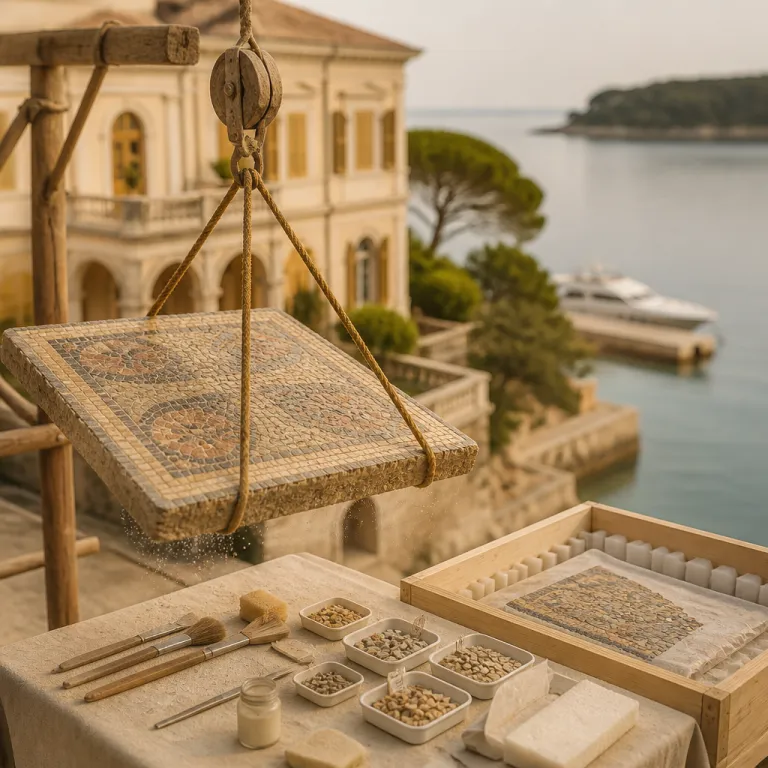
Those who enjoy cultural itineraries often combine Brijuni with other Croatian highlights, such as a refined island stay on Hvar or a wine-focused escape in central Istria. By doing so, you experience how different islands express the same Croatian identity through architecture, cuisine, and landscapes. On Brijun island, that identity is layered with centuries of Roman, Venetian, Austrian, and Yugoslav influence, visible in everything from mosaics to seafront colonnades.
From Tito’s residence to safari park: unique experiences on Brijuni
During the Yugoslav period, Josip Broz Tito chose Brijuni as one of his favourite summer residences. Many world leaders visited the islands, and some gifted exotic animals that still shape the character of today’s safari park, according to Brijuni National Park historical summaries. This history gives the park Brijuni area a distinctive atmosphere that blends political heritage with family friendly attractions.
The safari park on Veliki Brijun is now one of the most unusual features of any Croatian national park. Here, you can see exotic animals grazing against a backdrop of Mediterranean vegetation, while guides explain how the collection evolved from Tito era diplomacy to modern conservation. For luxury travellers, private guided tours of the safari park can be arranged outside peak hours, creating a calmer, more intimate experience with time for photography and tailored commentary.
Beyond the safari park, Brijuni offers an eighteen hole golf course, shaded cycling paths, and boat based excursions around the archipelago. Many premium hotel packages include at least one guided tour by electric train, which is ideal for guests who prefer not to walk long distances. If you enjoy cultural events, consider timing your stay to align with major Istrian or Dalmatian festivals, such as the Pula Film Festival or Dubrovnik Summer Festival, which both feature in national cultural calendars and Croatian National Tourist Board listings.
Practical tips for booking luxury stays in Brijuni National Park
Because the Brijuni islands form a protected national park, access is more regulated than on many Croatian islands. Ferries depart from Fažana near Pula, with common summer departures around mid-morning and late afternoon, so it is wise to coordinate crossing times with your hotel reservation. High end booking platforms often bundle ferry tickets, luggage handling, and park entrance fees into one seamless package, based on arrangements outlined by Brijuni National Park and local operators.
Only selected islands within the archipelago are open to visitors, with Veliki Brijun serving as the main hub for accommodation and services. Mali Brijun and other smaller islands are usually accessible only through organised tours, which helps preserve sensitive habitats and archaeological sites. When you book, check whether your rate includes specific guided tour options, such as historical circuits, nature walks, or private boat trips around the wider area, and confirm departure times in advance.
Because you are staying inside one of Croatia’s most carefully managed national parks, certain rules apply regarding movement, wildlife, and heritage sites. Respecting these regulations protects both the environment and the guest experience, keeping Brijuni quieter than many other destinations in Croatia. For comfort, pack light layers, comfortable walking shoes, sunscreen, and a hat, as much of the island exploration happens outdoors and sea breezes can change quickly.
How Brijuni compares with other Croatian islands for discerning travellers
For travellers choosing between Croatian islands, the Brijuni archipelago offers a very specific proposition. You stay within a national park that limits visitor numbers, yet you still enjoy refined accommodation and curated experiences. That combination appeals to guests who value tranquillity, heritage, and nature as much as they value comfort, a trend noted in Institute for Tourism reports on high-end travel in Croatia.
Compared with larger islands such as Hvar or Korčula, the Brijuni islands feel more like an open air museum set within a protected landscape. Ancient Roman villas, Byzantine fortifications, and Austro Hungarian villas sit within walking distance of beaches and pine forests. Because the area is part of Croatia’s network of protected areas and national parks, development remains tightly controlled and large-scale resorts are absent.
Some guests choose to split their stay between Brijun island and a livelier destination, using Brijuni for rest and reflection. Others treat the archipelago as a base for exploring Istria, with day trips to Pula, Rovinj, and inland wine regions. Whatever your style, working with a specialist Croatian booking service helps you align ferry times, room categories, and guided tour options across multiple islands, creating a smooth itinerary from arrival to departure.
Key figures and conservation facts about the Brijuni archipelago
- The Brijuni National Park covers a total area of 7.42 square kilometres, which keeps the archipelago compact enough for relaxed exploration over a two or three night stay (Brijuni National Park official statistics, management reports).
- The park includes 14 individual islands, with Veliki Brijun and Mali Brijun as the most prominent, while several smaller islets remain uninhabited to protect sensitive ecosystems (Brijuni National Park official data on island composition).
- Approximately 160,000 people visit the Brijuni islands each year, a modest figure compared with Croatia’s busiest coastal destinations, which helps maintain a calm atmosphere even in peak season (Brijuni National Park visitor statistics, Croatian Institute for Tourism analyses).
- Brijuni is part of Croatia’s wider network of national parks and protected areas, which together safeguard both marine and terrestrial habitats along the Adriatic coast (Croatian conservation authorities and Croatian National Tourist Board materials).
FAQ about staying on the Brijuni archipelago
How do I reach the Brijuni islands from the mainland ?
Access to the Brijuni islands is by organised ferry from Fažana, a small coastal town near Pula in Istria. Most luxury hotel bookings on Veliki Brijun include or coordinate ferry tickets, and departures are timed to match check in and check out windows. Private boat transfers can sometimes be arranged through premium travel agencies for guests seeking additional privacy, in line with Brijuni National Park access regulations.
Are there luxury accommodations on Brijuni island ?
Yes, Veliki Brijun hosts several upscale hotels and resorts housed in historic buildings from the Austro Hungarian and Yugoslav periods. Rooms often feature sea views, high ceilings, and easy access to park facilities such as the golf course and safari park. When booking, look for packages that include national park entrance, guided tours, and flexible cancellation policies recommended by Croatian National Tourist Board guidance for premium stays.
What activities are available inside Brijuni National Park ?
Guests can join guided tours that cover archaeological sites, Tito era landmarks, and the safari park with its exotic animals. Independent activities include cycling, golf, swimming, and gentle coastal walks, all within the boundaries of the protected area. Educational programmes and museum visits add depth for travellers interested in the archipelago’s complex history, supported by materials from Brijuni National Park and the Institute for Tourism.
Can I visit all the islands in the Brijuni archipelago ?
Only selected islands, primarily Veliki Brijun, are open for regular visits, while others such as Mali Brijun are accessible mainly through organised excursions. Many islets remain off limits to protect wildlife and archaeological remains, in line with national park regulations. This controlled access helps preserve the character of the archipelago while still allowing meaningful visitor experiences and exclusive small-group tours.
Is there an entrance fee for Brijuni National Park ?
There is an entrance fee for Brijuni National Park, and prices vary according to season, age, and the type of tour selected. Many hotel and tour packages bundle this fee with ferry transport and guided services, simplifying the booking process. It is wise to confirm what is included in your rate before finalising any reservation, using current information from Brijuni National Park and Croatian National Tourist Board sources.
Expert references
Brijuni National Park Authority – official management body for the Brijuni archipelago and primary source for conservation, historical, and visitor data.
Croatian National Tourist Board – national level information on Croatia’s islands, national parks, protected areas, and premium travel experiences.
Institute for Tourism, Zagreb – research on tourism trends, visitor numbers, and sustainable development in Croatia, including studies on high-end and nature-based travel.