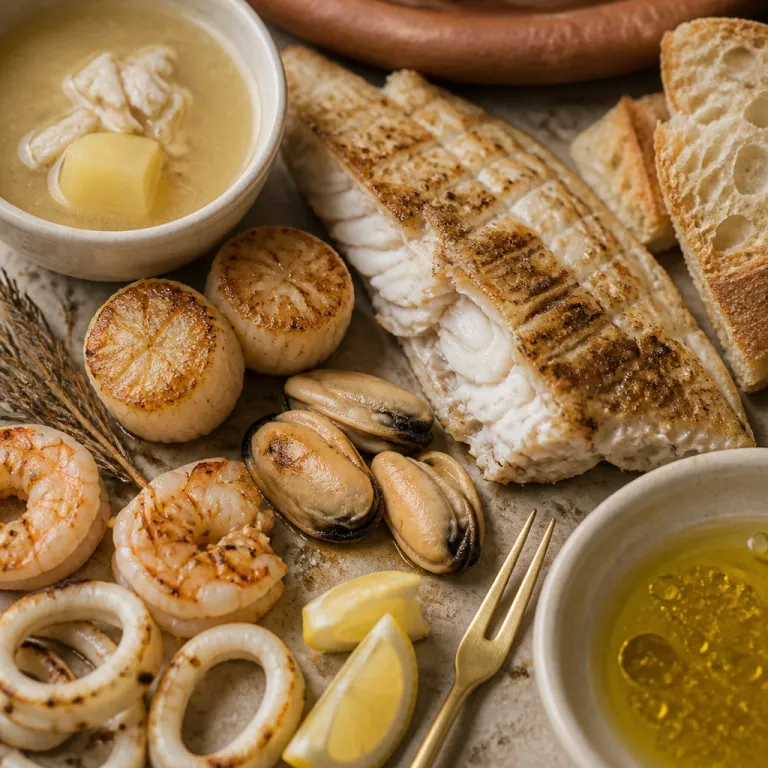
Reading the Dalmatian coast through its seafood plate
The most reliable Dalmatian seafood guide for Croatia starts before you sit down. Along the Adriatic, the way a chef handles fish, olive oil, and white wine quietly reveals whether a luxury hotel restaurant understands coastal Dalmatia or is simply plating safe international food. When you book a premium stay in Split or Dubrovnik, treat the menu as a map of coastline Croatia, from island coves to working harbors.
In Dalmatia, the foundational dishes are not trends but techniques that shape every serious kitchen. Peka, brodetto, buzara, grilled sea bass, and seafood risotto are the grammar of local cooking, and a refined hotel dining room that respects them usually works closely with fishermen and island suppliers. When a concierge talks confidently about these dishes and the best time to order them, you are in the right place for a genuine seafood education rooted in the region.
Think of your stay as a slow cruise along the coast rather than a series of rushed restaurant stops. A well curated hotel list for Croatia should highlight properties where the chef can explain which fish came from which island that day, and why the kitchen prefers olive oil from Korčula or Hvar island for certain plates. The more specific the story about the islands and the daily catch, the more likely you are tasting the real Dalmatian coast rather than a generic Mediterranean spread, the kind where every fillet tastes the same no matter which harbor you woke up in.
Peka and brodetto: the slow grammar of Dalmatian cuisine
Peka is where a serious Dalmatian seafood journey in Croatia truly begins. A traditional peka is a slow cooked meal under an iron bell, and in coastal Dalmatia that bell often shelters octopus, local fish, potatoes, and vegetables in a haze of smoke and olive oil. Luxury hotels that offer peka usually require guests to reserve it in advance, because the dish takes several hours and depends on what the fishermen land that day.
Brodetto is the other pillar of Dalmatian cuisine, a tomato based seafood stew that tells you everything about a kitchen’s relationship with the sea. The best versions use several kinds of local fish, sometimes sea bass or scorpionfish, thickened with stale bread and served with polenta, and they should taste of the specific harbor rather than anonymous stock. When a waiter suggests brodetto on a stormy day in Split or on island Vis, that is often the best time to say yes and lean into the weather and the coastline Croatia mood.
“Harbor Grill”, a classic style restaurant name you will see in many marinas, often signals a place where peka and brodetto share space with grilled whole fish and simple Dalmatian food. Before you commit, ask whether their peka uses an open fire and an actual iron bell, because traditional cooking techniques matter more than décor. For a deeper understanding of how these slow methods connect to family run konobas, read this guide to what Croatian konobas get right and then compare that knowledge with the dining room of your chosen hotel.
From grill to buzara: what your fish order reveals
A thoughtful Dalmatian seafood guide for Croatia always pauses at the grill. On the Dalmatian coast, a whole grilled fish brushed with olive oil, garlic, and herbs is the clearest test of a chef’s confidence and the restaurant’s supply chain. Ask to see the tray of fresh fish, note which species are local to islands like Hvar island or island Vis, and choose by clarity of the eyes and firmness of the flesh rather than by weight alone.
Buzara is the next essential word in coastal cooking, meaning shellfish cooked in white wine, garlic, and parsley, sometimes with breadcrumbs to thicken the juices. When buzara is done well, the sauce clings lightly to mussels or scampi, and a glass of local white wine such as Pošip or Malvazija turns the dish into a quiet masterclass in Dalmatian cuisine. If the menu offers seafood risotto, ask whether the stock is made from the same fish and shells used in buzara, because that link between dishes shows a kitchen that respects ingredients.
High end hotel restaurants in Split–Dubrovnik corridors often balance grilled sea bass, seafood risotto, and buzara with more elaborate tasting menus. The most interesting properties, many now noted in guides such as Gault&Millau Croatia 2024, are part of what critics call Croatia’s quiet kitchen revolution, which you can explore in more depth in this analysis of Croatian fine dining. When you see a menu that moves easily from traditional Dalmatian food to contemporary plates without losing the line back to the harbor, you have likely found one of the best destinations Dubrovnik or Split can offer for serious diners.
Islands, markets, and the quiet power of the peskarija
To understand any Dalmatian seafood guide for Croatia, you need one early morning at a peskarija, the local fish market. In Split, the market sits a short walk from many luxury hotels, and watching chefs and home cooks choose fish at dawn tells you what will appear on menus later that day. The same rhythm plays out on island Korčula, Hvar island, island Vis, and Mljet island, where smaller stalls supply both family kitchens and ambitious hotel restaurants along the coast.
The question every traveler asks is simple: how do you know if the fish is truly local and fresh. Look for stalls where the same fishermen chat with chefs each day, where sea bass, sardines, and squid lie on ice with clear eyes and bright gills, and where the selection shifts with the season and the weather. When a hotel sommelier or concierge can point you to their preferred peskarija and explain which islands supply their kitchen, that transparency builds trust in every plate of seafood you order.
Some of the most rewarding stays pair serious kitchens with access to nature, such as properties near Mljet National Park or within easy cruise distance of a quieter national park on the mainland. A day that begins with a walk through Mljet National Park, continues with a swim along the coastline Croatia, and ends with grilled fish and olive oil from a nearby island is a complete Dalmatian food narrative. For guests who care as much about wellness as about wine, coastal retreats that focus on sea air and marine treatments, like those highlighted in this guide to thalassotherapy on the Croatian coast, often also invest deeply in sourcing impeccable seafood.
Hotel dining strategy: what to order, when, and what to avoid
A refined Dalmatian seafood guide for Croatia is not only about what to eat, but when. The best time to order grilled fish or sea bass in a hotel restaurant is usually the evening after a calm sea, when small boats have been able to work the nearby islands. On rough days, lean toward brodetto, buzara, or seafood risotto, where strong stocks and slow cooking turn mixed catches into comforting coastal food.
Luxury travelers often ask about the difference between dining in Split and Dubrovnik, or along the Split–Dubrovnik corridor of islands such as Hvar island, island Korčula, and island Vis. Split tends to feel more local and workaday, with hotel restaurants that mirror the city’s peskarija culture, while destinations Dubrovnik often lean into polished terrace dining with dramatic views of the Dalmatian coast. In both cities, avoid long laminated menus heavy on generic calamari, burgers, and international risotto, because those usually signal pre frozen imports and a kitchen coasting on location rather than craft.
There are clear red flags when a restaurant in Croatia is not serious about regional seafood. Tanks of tired looking lobster, no mention of specific islands or local olive oil, and staff who cannot explain the fish of the day or suggest a wine pairing are all signs to keep walking. When in doubt, remember the simple rules that “Reserve Peka in advance”, “Try Brodetto with polenta”, and “Visit local konobas”, because those still guide even the most sophisticated hotel dining strategy along this coastline.
Wine, olive oil, and the quiet details that define luxury
The final chapter of any Dalmatian seafood guide for Croatia is liquid. Along the Dalmatian coast, the pairing of local white wine and olive oil with fish is not decoration but structure, shaping how each bite lands on your palate. A hotel that takes its cellar and its oil seriously usually takes its relationships with fishermen and farmers just as seriously.
Ask where the olive oil comes from, and listen for names like island Korčula, Hvar island, or smaller islands near Dubrovnik–Split routes, because each micro region in Croatia has its own character. A grassy, peppery oil from Korčula might flatter grilled sea bass, while a softer oil from a mainland valley could suit delicate seafood risotto or carpaccio. When staff can explain these nuances and suggest a specific white wine for your chosen dishes, you are no longer just eating Dalmatian food, you are reading Dalmatia through its liquids.
For richer plates such as peka with octopus or darker brodetto, local reds from Pelješac often work better than white wine, especially in cooler weather or at a later time visit in the season. Many luxury hotels now offer focused wine lists that highlight small producers along coastline Croatia, turning each dinner into a quiet tasting of the region. In that setting, even a simple plate of grilled fish, good bread, and a drizzle of olive oil becomes one of the best experiences of your trip, proof that true luxury on this coast is measured less in marble and more in how precisely the kitchen understands the sea.
FAQ
What is Peka and why must I reserve it in advance
Peka is a slow cooked dish under an iron bell, traditionally prepared over an open fire with meat or seafood, potatoes, and vegetables. Because it takes several hours and depends on the day’s ingredients, serious restaurants and hotel kitchens usually require guests to order it earlier in the day. If you want a seafood focused peka in Dalmatia, speak to your concierge or server at least one meal in advance.
How is Brodetto prepared in Dalmatia
Brodetto is a tomato based seafood stew that uses several kinds of fish, often including smaller, bony species that shine when cooked slowly. The classic method builds flavor with onions, garlic, wine, and tomatoes, then simmers the fish gently so it stays tender. As the dataset states, “A tomato-based seafood stew with various fish.”
Where should I go in Croatia for the best Dalmatian seafood
For a concentrated Dalmatian seafood experience, focus on coastal cities such as Split and Dubrovnik and on nearby islands like Hvar, Korčula, Vis, and Mljet. Staying in luxury or premium hotels that work closely with local konobas and fishermen will give you access to both refined dining rooms and more rustic harbor grills. The key is to choose properties that highlight Dalmatian cuisine in their descriptions rather than treating seafood as an afterthought.
How can I tell if the fish in my hotel restaurant is local
Ask which harbor supplied the fish, which island it came from, and whether you can see the fresh catch before it hits the grill. Local fish should have clear eyes, bright gills, and a clean sea smell, and the selection should change with weather and season. When staff can answer these questions easily and mention the peskarija they buy from, you can be confident you are eating genuine Dalmatian seafood.
Is it better to eat seafood in a hotel restaurant or a konoba
High end hotel restaurants often offer more polished service, deeper wine lists, and the convenience of dining steps from your room. Konobas, the traditional taverns of Dalmatia, usually sit closer to the working harbor and can feel more informal and direct. The most rewarding trips to Croatia combine both, using the hotel as a base for comfort and curation, and the konoba as a classroom for the raw energy of the coast.