Adriatic minimalism as a new language of Croatian hotel design
Stand on any quiet hill above the Adriatic coast in Croatia and you can read the new skyline in concrete, glass, and stone. The latest wave of Croatia hotel design architecture rejects the anonymous resort building and instead treats every hotel as a carefully drawn project with a clear identity. For travelers choosing a hotel as deliberately as a restaurant, this shift in architecture changes how you plan each room, each night, each level of your trip.
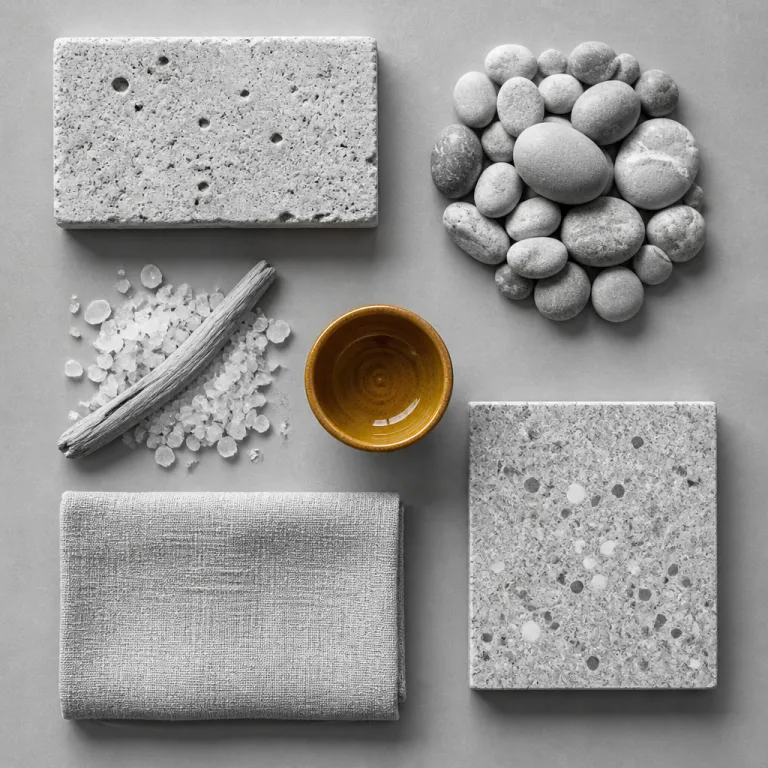
Architects talk about Adriatic minimalism as a way of stripping a hotel building back to clean lines while keeping the warmth of local materials. In practice, that means façades in pale stone, deep window reveals framing long views of sea and hill, and hotel surrounding landscapes planted with olive trees rather than imported palms. A design hotel in Croatia now often feels like a long, low villa stretched along the shore, with a pool that mirrors the bay instead of dominating it.
This movement did not appear from nowhere; it grew from a generation of Croatian architect studios who learned to work with the coastline rather than against it. The firm 3LHD Architects, for example, helped set the tone when it created Hotel Lone in Rovinj as one of Croatia's first true design hotels, a project that blended modern architecture with the Mulini Forest and forest park around Lone Bay. Opened in 2011 for the Maistra Collection, the hotel quickly became a reference point in regional travel media. Their drawings showed how a hotel interior could be both sculptural and quiet, and how rooms and room suites could step back from the sea to protect the Rovinj skyline.
Hotel Lone and the making of a coastal icon
If you want to understand Croatia hotel design architecture in one stay, start with Hotel Lone. Designed by 3LHD Architects, this Hotel Lone property sits in a natural amphitheater of Mulini Forest and forest park, its white terraces curving like a ship’s hull above Lone Bay. The building feels bold from a distance, yet once inside, the hotel interior is all about calm corridors, generous rooms, and a visual identity that never shouts.
The Lone design story is about more than a striking façade; it is about how every room and every pool edge connects back to the landscape. Public room suites open toward the pine trees, while upper-level corridors frame the Adriatic coast through long horizontal windows that act like architectural drawings in real time. The main restaurant, the lobby, and even the wellness spa are arranged so that guests always move between forest shade and Adriatic light, never trapped in generic air-conditioned boxes.
Hotel Lone also helped define what a contemporary hotel Croatia experience could be for solo travelers. You can move from a quiet room to a jazz-club-style bar, from the wellness spa to the rocky shore, without ever feeling lost in a mega resort. In interviews, 3LHD’s founders often describe the project as “a large hotel that should still feel like a place you can cross in a few minutes,” and that principle shows in the intuitive circulation. For many design-conscious guests, this hotel surrounding environment — Mulini Forest on one side, Lone Bay on the other — became the reference point when comparing any other Croatia hotel along the coast.
Monte Mulini, San Canzian and the rise of the cultivated villa aesthetic
Walk a few minutes from Hotel Lone and you reach Monte Mulini, another key chapter in Croatia hotel design architecture. Here the architecture leans toward a refined villa language, with warm stone, low-pitched roofs, and terraces stepping gently down the hill to the sea. The building feels almost residential, which suits solo travelers who prefer a cultivated hideaway over a grand urban hotel.
Inside Monte Mulini, the hotel interior uses soft tones and natural textures to echo the Mulini Forest outside, while the pool decks are carved into the hill to keep sightlines open toward the Adriatic coast. Rooms and room suites are arranged so that each level has a slightly different angle on the water, a subtle design move that makes even a short stay feel layered. This is where Croatia hotel identity becomes tangible; you taste local olive oil at breakfast, look out over olive trees in the garden, and feel that the architecture is telling a coherent story.
Further inland, San Canzian Club Villas near Buje takes the villa idea into the Istrian countryside, proving that Adriatic minimalism is not only for the shoreline. The project includes club spaces, energy-efficient houses, and a network of villas that reinterpret traditional stone farm buildings with sharp contemporary design. Opened in 2019 with a small-room count and a strong focus on gastronomy, it has been cited in regional hospitality reports as an example of low-density luxury. For a solo explorer, this kind of well hotel concept — part hotel, part village, part cultural club — shows how flexible Croatia hotel design architecture can be when architects treat each site as a fresh drawing board.
Urban Adriatic minimalism: Split, Rijeka and Dubrovnik reimagined
Adriatic minimalism changes character when it moves from forest-park settings to dense city streets, yet the same design principles still guide the best projects. In Split, the renewed Hotel Marjan stands as a modernist hotel building facing the harbor, its long façade and stacked rooms expressing a clear structural rhythm. Originally built in the 1960s and now undergoing a major reinvention backed by a multi-million-euro investment, it has become a case study in how to update a landmark without erasing its DNA. Here, Croatia hotel design architecture becomes urban, with a rooftop pool and high-level room suites giving solo travelers a vertical perspective on the city instead of a horizontal beach view.
Rijeka’s Hotel Jadran, now part of an international collection, shows how careful renovation can preserve original architecture while updating the hotel interior for contemporary expectations. The main structure remains a rationalist building perched almost directly above the sea, but new design elements soften the transition between room and water. Many guests choose this hotel Croatia option precisely because it offers a well hotel balance between heritage and modern comfort, with the Adriatic coast literally beneath their balconies.
In Dubrovnik’s Lapad district, the reimagined Hotel Zagreb takes a different path by leaning into its historic villa character. The architect team respected the existing building identity, restoring façades and garden walls while inserting fresh design gestures in the rooms and public spaces. A project architect quoted in local media described the goal as “returning the house to the neighborhood, then quietly upgrading its comfort.” For solo travelers who prefer a quieter base away from the Old Town crowds, this kind of Croatia hotel offers a strong visual identity and a sense of place that feels more like a cultivated villa than a conventional city hotel.
From visual identity to lived experience: how design shapes your stay
For design-minded travelers, Croatia hotel design architecture is not just about how a building photographs; it is about how it feels to move through it alone. A strong visual identity, like the black-and-white graphics inside Hotel Lone or the warm stone palette at Monte Mulini, helps you orient yourself quickly in a new environment. When you arrive late, drop your bag in the room, and head straight to the pool or club bar, that clarity of design quietly lowers your stress level.
Studios such as 3LHD Architects and others use advanced tools like digital models and detailed drawings to choreograph these experiences long before the first stone is laid. Corridors bend to reveal framed views, staircases land near daylight, and every level of room suites is planned so that you never feel trapped in a back wing. This is where the idea of a well hotel becomes real; good architecture anticipates your solo routines, from early swims in the pool to late returns from a jazz club in town.
Adriatic minimalism also shapes how Croatian hotels integrate food, wellness spa facilities, and local culture into the building. Many properties now design hotel interiors around open kitchens, olive oil tasting counters, or small club spaces for live music, turning the main floor into a social landscape rather than a lobby you rush through. In tourism statistics published by the Croatian National Tourist Board, design-led coastal regions have recorded steady growth in higher-spending visitors over the past decade, and hoteliers often credit this to a more curated mix of architecture, cuisine, and landscape. If you want a deeper sense of how architecture, cooking, and territory meet in Rovinj, read the field notes on new Istrian cooking and hotel surrounding design at this in-depth Rovinj feature, then compare that narrative with your own stay.
Heritage, sustainability and the future of Croatian hotel projects
The most interesting Croatia hotel design architecture today sits at the intersection of heritage preservation and sustainable innovation. Renovations like Hotel Jadran in Rijeka or Hotel Zagreb in Dubrovnik show how an existing building can gain a new visual identity without losing its original character. At the same time, ambitious projects such as San Canzian Club Villas experiment with low-impact construction and energy-saving systems, suggesting that luxury and responsibility can share the same hill.
Architects working along the Adriatic coast increasingly collaborate with local artisans, using stone, wood, and textiles that reflect regional traditions. This approach turns each hotel surrounding landscape into a kind of open-air gallery, where olive trees, dry stone walls, and carefully placed pools echo the patterns of old villages. When you walk from your room to the wellness spa at dawn, you are not just crossing a corridor; you are moving through a contemporary reading of Croatian rural architecture.
Industry observers already note how this design focus is reshaping tourism patterns in Croatia. A growing number of travelers now choose a specific hotel Croatia property first, then build their itinerary around that architecture rather than the other way around. According to recent regional market analyses, design-focused hotels command higher average daily rates and longer stays, particularly among guests from northern Europe. As one recent analysis of the region puts it, a design approach emphasizing clean lines, simplicity, and harmony with the Adriatic environment has become a defining draw for international guests who might once have overlooked the country entirely.
How to choose the right design led Croatian hotel for a solo stay
When you filter options on a booking site, Croatia hotel design architecture rarely appears as a checkbox, yet it should guide your search as much as star ratings. Start by deciding whether you want a forest-park setting like Lone Bay in Rovinj, an urban hill above Split’s harbor, or a countryside villa cluster in inland Istria. Each setting shapes the building form, the hotel surrounding atmosphere, and the way you will use your room, the pool, and shared club spaces.
Next, read how each property describes its visual identity and hotel interior, paying attention to whether the design hotel label is backed by a clear architectural story. Names such as Hotel Lone, Monte Mulini, or San Canzian Club Villas usually signal a coherent project led by a serious architect studio, with drawings and concepts that go beyond surface styling. Look for mentions of materials like local stone, olive wood, and references to olive oil production or olive trees in the landscape, which often indicate a deeper engagement with place.
Finally, think about your own daily rhythm as a solo traveler and match it to the building’s layout. If you work remotely, prioritize room suites with generous desks and quiet corners, and a well hotel level of acoustic comfort between room and corridor. If you plan to swim at sunrise and listen to live music at night, choose a Croatia hotel where the pool, wellness spa, and any jazz-club-style bar are easy to reach without long internal commutes, so the architecture supports your habits rather than fighting them.
Key figures behind Croatia’s design led hotel movement
- Specialist travel media now recognize a distinct group of design-led hotels in Croatia along the Adriatic coast, marking a clear niche within the wider hospitality market.
- Design-focused hotels are widely credited with attracting higher-value tourism to Croatia, as travelers choose destinations based on architecture and design experiences as much as beaches.
- Hotel Lone in Rovinj is frequently cited as Croatia’s first fully realized design hotel, setting a benchmark that later projects in Opatija, Šibenik, and other coastal towns have followed in different regional contexts.
- New and renovated properties like Hotel Marjan in Split and Hotel Jadran in Rijeka involve multi-million-euro investments, underlining how seriously Croatian developers now treat architecture as a strategic asset.
FAQ about Adriatic minimalism and Croatian hotel design
What defines Adriatic Minimalism in Croatian hotel design?
Adriatic minimalism in Croatia hotel design architecture is defined by clean lines, restrained palettes, and a strong relationship between building and landscape. Hotels often use local stone, glass, and wood to frame views of the Adriatic coast rather than compete with it. Public spaces, rooms, and pools are arranged to create a calm, continuous experience from interior to exterior.
Which Croatian hotels best represent this design language?
Hotel Lone in Rovinj is the clearest expression of Adriatic minimalism, with its sculptural terraces and forest-park setting above Lone Bay. Monte Mulini nearby offers a more villa-like interpretation, while San Canzian Club Villas in inland Istria translates the style into a rural context. Urban properties such as Hotel Marjan in Split and Hotel Jadran in Rijeka show how the same principles can work in denser city environments.
How has design focused architecture impacted tourism in Croatia?
The rise of Croatia hotel design architecture has attracted a new wave of design-conscious travelers who might previously have chosen other Mediterranean destinations. Commentators note that design-led hotels have helped drive a noticeable increase in higher-spending visitors. Many guests now choose a specific hotel Croatia property first, then build their itinerary around that architecture and its surrounding neighborhood.
Why are design led hotels appealing for solo travelers?
For solo guests, a well-planned design hotel offers intuitive circulation, clear visual identity, and a mix of private and social spaces that feel safe and welcoming. You can move easily from your room to the pool, wellness spa, or bar without getting lost in anonymous corridors. Strong architecture also tends to attract like-minded travelers, which makes shared spaces such as club lounges or jazz-club-style bars more interesting for independent visitors.
How can I tell if a Croatian hotel truly prioritizes design?
Look for clear references to the architect or design studio, detailed descriptions of materials, and a coherent story about how the building relates to its site. Properties like Hotel Lone, Monte Mulini, or San Canzian Club Villas usually present their visual identity as part of the experience, not as an afterthought. When Croatia hotel design architecture is central to the project, you will see it reflected in everything from room layouts to how olive trees, pools, and paths are arranged around the building.