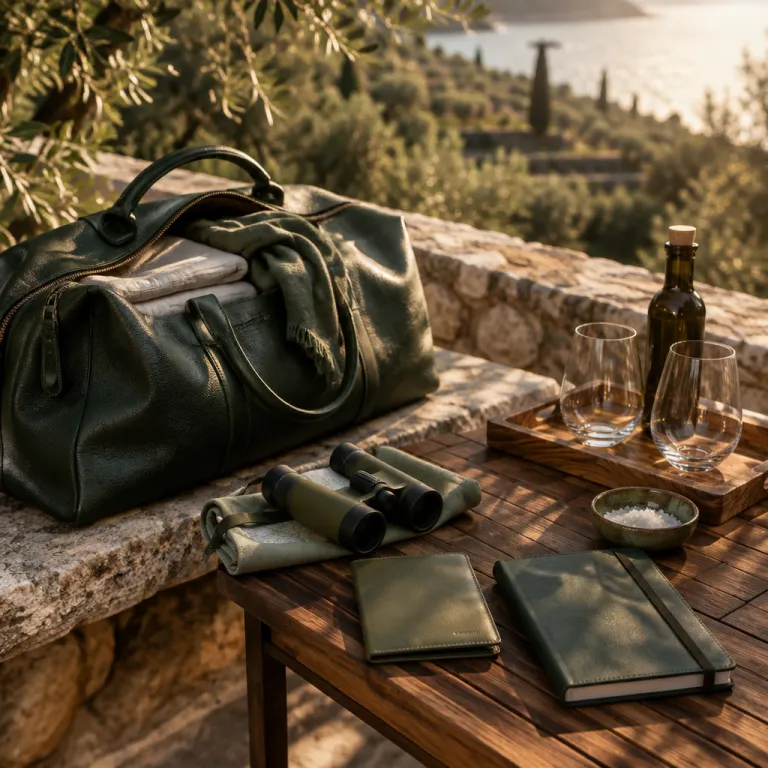
Luxury stays on the islands of Dalmatia: how to plan the perfect coastal escape
Why the islands of Dalmatia define coastal luxury in Croatia
The islands of Dalmatia form the most prestigious island playground in Croatia. Across this shimmering stretch of the Adriatic Sea, luxury hotels and refined villas cluster around historic harbours, Roman ruins, and beautiful beaches that rival any in Europe. For travellers choosing between coastal cities and quieter island retreats, this region offers one of the best balances of heritage, privacy, and five star comfort.
From the city Split on the mainland to the island chains offshore, the Dalmatian coast has evolved from a strategic Roman frontier into a modern day sanctuary for high end escapes. Many properties sit within or beside nineteenth century and early twentieth century stone houses, where thick walls keep interiors cool and frame a panoramic view of the sea. This architectural layering means you can sleep in a building that has witnessed more than a hundred years of change, while enjoying contemporary spa suites and curated wine lists.
Luxury travellers often start their journey in Split, the largest city in Dalmatia and a natural gateway to the islands. Here, Diocletian Palace dominates the old town, one of the best preserved Roman complexes in Europe and a striking prelude to the archipelagos beyond. From the ferry port in this vibrant town, catamarans fan out toward Hvar, Vis, Korčula, and Šibenik’s offshore archipelagos, each island promising a distinct rhythm, different levels of seclusion, and a particular style of premium hotel experience.
Hvar, Vis, and the art of refined island time
Hvar has become synonymous with glamorous stays in Croatia, yet the island still offers quiet corners for guests who value privacy. Along the Hvar coast, luxury hotels rise above marinas and coves, giving a panoramic view over the Adriatic and nearby islands such as Brač and Vis. When choosing between Hvar, Vis, and the Hvar Brač pairing, consider how much nightlife, yacht culture, and beach club energy you want alongside your suite.
On Hvar island itself, the main town blends Venetian facades with sleek rooftop pools and waterfront terraces. Many travellers pair Hvar Korčula in a single itinerary, using high speed catamarans to move between the two islands while keeping travel times short. A typical four night stay might include two nights at a waterfront hotel such as Palace Elisabeth in Hvar town (often from around €350–€600 per night in high season) followed by two nights in a quieter bay, where boutique villas emphasise privacy, vineyard visits, sailing, or spa days.
Vis island offers a contrasting mood, with fewer coastal towns and more intimate coves that feel far from the mainland. Here, luxury often means low key service, family run fine dining, and suites that open directly onto quiet pebble beaches along the Dalmatian coast. One recent guest described Vis as “the place where time finally slowed down after Hvar,” capturing the island’s unhurried pace. Many visitors split their stay between a livelier Hvar town hotel and a more secluded Vis retreat, using private transfers across the Adriatic Sea to keep logistics effortless.
Korčula, Šibenik, and heritage stays among the islands of Dalmatia
Korčula island appeals to travellers who want history woven into every part of their stay. The fortified Korčula town is often described as one of the best preserved medieval settlements on the Adriatic, with narrow lanes that funnel sea breezes between stone houses. Many luxury hotels here occupy former merchant mansions from the fifteenth to nineteenth centuries, where carefully restored staircases and beams contrast with modern day wellness facilities and discreet technology.
Choosing a hotel in Korčula town lets you step directly from your suite into a waterfront promenade lined with wine bars and small marinas. This is also an ideal base for exploring the wider region, as day trips link Korčula with Hvar, Brač, and the Pelješac peninsula on the Croatian coast. For travellers interested in sleeping inside historic walls, a detailed look at Korčula’s heritage hotels explains why these properties feel different from standard luxury resorts, with examples ranging from intimate stone townhouses to larger seafront retreats.
Farther north, Šibenik anchors another cluster of island experiences along the Dalmatian coast. This town is known for its proximity to Krka National Park, where waterfalls tumble through a limestone canyon shaped by the Dinaric Alps. Many guests split their time between a Šibenik old town hotel and a nearby island resort, using private boats to move between the mainland, nearby islets, and even the Brijuni archipelago, where a refined escape showcases another side of Croatian island luxury. For up to date visitor numbers and trail information, consult official sources such as the Krka National Park website or the Croatian National Tourist Board.
Dubrovnik, the Bay of Kotor, and cross border coastal elegance
At the southern end of Croatia, Dubrovnik stands as a dramatic counterpoint to the quieter islands of Dalmatia. The walled town rises directly from the Adriatic Sea, its medieval and Renaissance fortifications enclosing a maze of polished stone streets. Many luxury travellers base themselves in seafront hotels just outside the walls, where infinity pools and private jetties frame a panoramic view of Lokrum island and the open Adriatic.
From Dubrovnik, it is easy to combine island stays with a journey into neighbouring countries, adding depth to your coastal itinerary. The Bay of Kotor in Montenegro lies only a few hours away, its fjord like inlet backed by the Dinaric Alps and dotted with stone villages that echo Dalmatian architecture. Some itineraries also weave in a visit to Bosnia and Herzegovina, pairing Mostar’s Ottoman bridges with time on the Croatian coast to create a broader picture of southern Europe.
Luxury hotel booking platforms increasingly highlight these cross border combinations, allowing you to filter properties by proximity to Dubrovnik, the Bay of Kotor, and the surrounding islands. When planning, consider how many nights you want on each island versus in historic towns, as transfer times along the Dalmatian coast can shape your experience. A well balanced route might include three nights in Dubrovnik, two or three nights on a nearby island such as Lopud or Šipan, and a final night in Split or another coastal city before departure.
Reading the landscape: national parks, mountains, and coastal cities
The geography of Dalmatia strongly influences where the most desirable hotels sit and how you move between them. The Dinaric Alps run parallel to the coast, creating a dramatic backdrop for coastal cities such as Split, Šibenik, and Dubrovnik. Between these urban centres, the islands scatter across the Adriatic Sea, forming sheltered channels that have guided trade and travel since Roman times.
National parks add another layer of appeal for guests who want more than poolside relaxation. Krka National Park near Šibenik and Mljet National Park on Mljet island both offer easy day trips from luxury bases on the Dalmatian coast, with walking trails, lakes, and forests that contrast with the polished marinas of the coastal towns. Many high end hotels now design packages that combine guided hikes, private boat charters, and curated tastings of Dalmatian wines, turning the landscape itself into a central part of the stay.
When comparing islands, consider how each one relates to the mainland and to the nearest largest city. Hvar and Brač sit close to Split, making them ideal for shorter trips or first time visitors to Croatia who want simple logistics. More remote islands such as Vis or Lastovo reward guests with extra privacy and darker night skies, but they require more time for transfers and benefit from careful planning through a specialist booking website or an experienced travel advisor.
How to choose and book the best luxury stays on the islands of Dalmatia
Selecting the best hotel on the islands of Dalmatia starts with clarifying your priorities. Some travellers value direct access to beautiful beaches above all else, while others prefer historic town centres where Roman streets and medieval walls sit just outside the lobby. Decide whether you want to wake up in a quiet cove on an island or in a lively Dalmatian town such as Hvar, Korčula, or the city Split.
Specialist booking platforms for Croatia now allow you to filter properties by island, style, and proximity to key landmarks such as Diocletian Palace or major marinas. Look for clear room descriptions, floor plans, and photographs that show the real panoramic view from terraces, not only stylised marketing images. Pay attention to transfer options as well, since private boats and seaplane services can significantly reduce travel time between islands and the mainland coast.
When comparing rates, remember that heritage buildings from the nineteenth and early twentieth centuries often have fewer rooms, which can make them feel more exclusive but also more in demand during peak season. Flexible dates, longer stays, and midweek arrivals can unlock better value on the islands of Dalmatia, especially in properties that combine spa facilities, fine dining, and concierge services. For many guests, the most rewarding itineraries blend several islands, a night or two in a mainland town, and enough unstructured time to let the rhythm of the Adriatic shape each day.
Key figures for planning a luxury stay on the islands of Dalmatia
- Split Airport handles several million passengers annually, making the largest city in central Dalmatia the primary international gateway for the islands of Dalmatia (for current figures, see the Croatian National Tourist Board or airport statistics, and cross check with the Croatian Bureau of Statistics).
- Hvar island records well over a million overnight stays per season, reflecting its status as one of the best known luxury destinations on the Adriatic coast (consult the Croatian Bureau of Statistics for the latest tourism data and official breakdowns by municipality).
- Korčula town and its surrounding island maintain an extensive network of marked walking and cycling paths, allowing guests to combine heritage hotels with active exploration (check the local tourism office for updated trail lengths, seasonal closures, and recommended difficulty levels).
- Krka National Park near Šibenik welcomes large numbers of visitors each year, which makes advance planning essential if you want private or small group excursions from coastal hotels (see official park management statistics and the Krka National Park visitor pages for precise counts and opening hours).
- Dubrovnik’s old town limits daily cruise ship arrivals to reduce crowding, a policy that directly benefits luxury travellers staying in and around the town by preserving a more relaxed atmosphere (details are available through the City of Dubrovnik tourism strategy and related policy documents).
FAQ about luxury stays on the islands of Dalmatia
Which island in Dalmatia is best for a first luxury stay ?
Hvar is often the best choice for a first luxury stay because it combines high end hotels, lively nightlife, and easy access from Split. The main town offers a wide range of suites, villas, and waterfront properties, while quieter bays sit only a short drive or boat ride away. This balance makes Hvar ideal if you want both energy and relaxation in one island.
How many islands should I include in one Dalmatian itinerary ?
Most luxury travellers include two or three islands of Dalmatia in a single trip, plus at least one night in a mainland city such as Split or Dubrovnik. This structure keeps transfer times manageable while still showcasing different landscapes and hotel styles. If you prefer slower travel, focus on one island and add day trips by private boat instead.
Is it better to stay in a historic town or a secluded bay ?
Staying in a historic town such as Korčula town, Hvar town, or the old town of Dubrovnik gives you immediate access to restaurants, culture, and evening walks. Secluded bays on islands like Vis or Brač offer more privacy, direct beach access, and quieter nights under the stars. Many guests split their stay between both settings to experience the full character of Dalmatia.
When is the best time to visit the islands of Dalmatia for luxury travel ?
The most comfortable months for luxury travel are late spring and early autumn, when sea temperatures are pleasant and crowds are lighter. During these periods, hotels often have more availability, and service feels more personalised. High summer brings the liveliest atmosphere but also higher rates and busier marinas.
Do I need a car to enjoy the islands of Dalmatia ?
A car is useful on larger islands such as Hvar, Brač, and Korčula, especially if you want to explore inland vineyards and remote beaches. However, many luxury hotels offer transfers, private drivers, and boat taxis that make a car unnecessary for shorter stays. If you plan to move between several islands, prioritise flexible ferry schedules and private boat options over driving.
Trusted references for further planning
- Croatian National Tourist Board
- Croatian Bureau of Statistics
- City of Dubrovnik official tourism office