Croatia weather in April for luxury travellers
Planning a refined escape means understanding Croatia weather in April in detail. Along the Adriatic coast, average daytime temperatures often sit between 15 °C and 18 °C, while inland cities such as Zagreb remain slightly cooler with an average around 14 °C. These mild temperatures create a comfortable season for guests who prefer elegance and calm rather than the intensity of peak season crowds.
In Dubrovnik and Split, April brings a gradual shift from winter freshness toward early summer warmth, with more sunny days and longer hours of daylight. Official climate data from the Croatian Meteorological and Hydrological Service and partners such as Weather Atlas show an avg precipitation of roughly 45 to 60 mm, so you should still expect some rain. This mix of sunshine and occasional showers keeps the coast lush and the sea temperatures slowly rising, even if the sea temperature remains brisk for long swims.
For travellers comparing Croatia April conditions with those in June or July, the difference lies mainly in intensity. Croatia June and June July periods already feel like summer, while July August brings the full peak season, higher sea temperatures and busier resorts. By contrast, Croatia weather in April offers space, quieter hotel lounges and more attentive service, especially in luxury properties along the inland coast and the Adriatic coast.
When you visit Croatia at this time, you benefit from lower occupancy and more flexible room categories. Many premium hotels use these days to showcase curated experiences, from private wine tastings in Istria to guided art walks in Dubrovnik. For guests who value privacy, this can be the best time to enjoy Croatia weather in April before the rush of August September and September October holidaymakers.
Regional nuances: coast, islands and inland elegance
Understanding regional nuances of weather Croatia in April helps you choose the right luxury base. The southern coast around Dubrovnik tends to be slightly warmer than the northern coast and Istria, with average daytime temperatures near 16 °C and more frequent sunny days. Split usually records a similar average, while inland destinations experience cooler mornings and evenings, which makes layers essential.
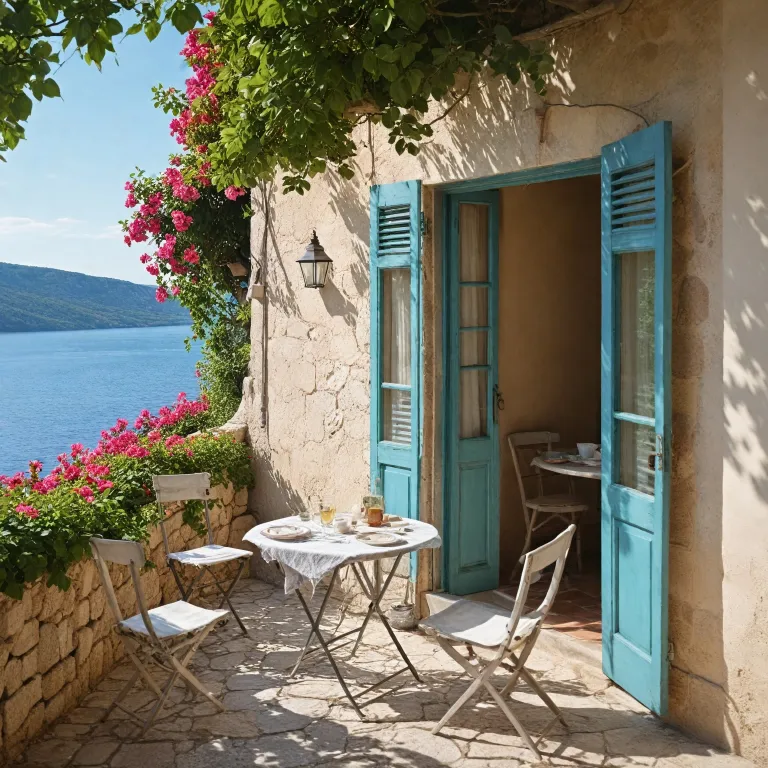
Along the coast, April brings a pleasant mix of mild sea temperatures and crisp air, ideal for terrace breakfasts and sunset cocktails. Although the sea temperature is often below peak swimming comfort, many heated hotel pools compensate, allowing guests to enjoy water views without braving the cooler sea temperatures directly. Occasional rain showers pass quickly, and most luxury properties provide umbrellas and concierge updates on expected rain and avg wind conditions.
Inland coast regions and hilltop towns in Istria can feel several degrees cooler, especially at night. Here, Croatia weather in April favours truffle dinners by the fireplace, wine cellar tastings and spa rituals rather than long hours on the beach. If you plan a design focused stay, this is an excellent time to explore Croatia design hotels, elegance, innovation and authentic Adriatic experiences without the pressure of peak season schedules.
Travellers often compare April with September and October November, which also offer milder conditions and fewer crowds. However, while September October still benefits from warmer sea temperatures after summer, April feels fresher and greener, with spring blossoms across national parks and coastal promenades. When you visit Croatia in this shoulder season, you gain a sense of place that can be harder to find during June July or July August, when every terrace and promenade is full.
Daylight, temperatures and timing your stay
For luxury and premium stays, timing is everything, and Croatia weather in April offers a favourable balance of daylight and comfort. As the month progresses, hours of daylight increase steadily, giving you long days to enjoy spa treatments, private yacht charters or guided cultural tours. Early April can still feel cool, but by late April the average daytime temperatures on the coast are warm enough for al fresco dining and relaxed strolls.
When planning the best time to visit, consider how you like to structure your days. If you prefer slow mornings and late dinners, the expanding hours daylight in April suit a Mediterranean rhythm without the heat of July or August September. Many guests find that Croatia April conditions allow them to enjoy both city sightseeing and coastal relaxation in a single itinerary, especially when combining Dubrovnik, Split and Istria.
Comparing April with Croatia June or September October helps clarify expectations. Croatia June already feels summery, with higher sea temperatures and more intense sun, while September October retains warmth from the sea but gradually shortens the days. In April, by contrast, you trade slightly cooler sea temperature levels and a chance of rain for quieter streets, more personalised service and easier restaurant reservations.
For travellers asking about the ideal time visit Croatia for a luxury escape, April stands out as a refined shoulder season choice. You can enjoy national parks with fewer visitors, take advantage of hotel opening offers and still experience comfortable weather Croatia conditions. This makes Croatia weather in April particularly appealing for couples planning a coastal celebration or those considering a Croatia honeymoon filled with coastal glamour and island romance outside the busiest months.
National parks, Plitvice Lakes and inland coast escapes
Many discerning travellers pair coastal stays with time in Croatia’s national parks, and Croatia weather in April is well suited to this. Plitvice Lakes, for example, benefits from spring rain that feeds its waterfalls, while cooler temperatures make walking the wooden paths more comfortable than in July August. The inland coast and highland regions can still feel fresh, so packing layers remains important.
During April, average inland temperatures hover in the low to mid teens, with occasional rain and misty mornings. These conditions create atmospheric landscapes, especially around Plitvice Lakes and other national parks, where early hours often bring soft light and fewer visitors. Because this is not yet peak season, luxury lodges and premium hotels near these areas typically have more availability and can arrange private guides or chauffeured transfers with ease.
When you visit Croatia at this time, you should expect some variability in weather Croatia patterns. A sequence of sunny days can be followed by a cooler spell with rain, but showers rarely last all day, allowing you to adjust plans between spa facilities, fine dining and outdoor excursions. The avg precipitation figures for April remain moderate, and many travellers appreciate the lush greenery that results from this balanced mix of sun and rain.
Comparing April with October November helps frame expectations for inland stays. While October November can feel more autumnal with shorter hours of daylight and cooler avg temperatures, April signals renewal, with blossoms, flowing waterfalls and a sense of anticipation before the summer rush. For guests seeking tranquillity, Croatia April offers a sophisticated alternative to the busier Croatia June and August September periods, especially when combined with curated cultural experiences in nearby historic towns.
Luxury hotel strategies for April stays
For a premium hotel booking in Croatia, understanding Croatia weather in April helps you choose the right property and room type. Many coastal hotels reopen fully during this season, offering attractive early season packages that include spa access, fine dining and curated excursions. Because this is still before peak season, you often find better value in suites with sea views, especially along the coast near Dubrovnik, Split and Istria.
When evaluating options, consider how each property responds to April’s mix of sunny days and occasional rain. Hotels that provide heated outdoor pools, indoor wellness areas and flexible dining spaces allow you to enjoy Croatia weather regardless of conditions. Ask about avg sea temperatures if you plan to swim, and confirm whether terraces are sheltered or heated for comfortable evenings even when the sea temperature remains cool.
Service levels also benefit from the calmer April season. Staff have more time to personalise experiences, from arranging private tours of national parks to scheduling wine tastings that align with your preferred hours of daylight. This attention can be harder to secure during June July or July August, when occupancy peaks and every concierge desk is busy managing time visit requests and last minute changes.
For travellers comparing Croatia April with September October, the choice often comes down to ambience. September and August September still feel summery, with warmer sea temperatures and a livelier social scene, while April offers a quieter, more contemplative atmosphere. In both seasons, however, weather Croatia remains generally mild, making them strong candidates for guests who value comfort, culture and refined hospitality over the intensity of high summer.
Packing, planning and expert guidance for April
Thoughtful packing and planning ensure you enjoy Croatia weather in April to the fullest. Because temperatures can shift between sunny afternoons and cooler evenings, layers are essential, including a light jacket, knitwear and elegant resort wear for hotel lounges. A compact umbrella or raincoat is also wise, as short periods of rain remain part of the season’s character.
When you visit Croatia in April, footwear matters as much as clothing. Choose comfortable walking shoes for exploring Dubrovnik’s stone streets, Split’s Diocletian’s Palace and the trails around Plitvice Lakes and other national parks. For coastal stays in Istria or along the southern coast, add smart sandals or loafers suitable for both terrace dining and relaxed promenade walks during the longer hours of daylight.
Many travellers compare packing lists for Croatia April with those for Croatia June or September October. In June July and July August, lighter fabrics dominate, while September October and October November require warmer layers as the avg temperatures fall. April sits between these extremes, with weather Croatia conditions that reward versatility and a focus on breathable yet insulating fabrics.
To refine your plans, consult official climate information and hotel concierges who monitor local forecasts closely. "Is April a good time to visit Croatia?" "What should I pack for Croatia in April?" "Are tourist attractions open in April?" These real world questions, answered by national services and experienced hoteliers, underline that April is a sophisticated, comfortable and often best time for luxury travellers to enjoy Croatia weather in April before the full energy of the summer season arrives.
Key climate insights for Croatia in April
- Average daytime temperatures in major cities such as Zagreb, Split and Dubrovnik typically range from the low to mid teens in degrees Celsius, with coastal areas slightly warmer than inland regions.
- Average precipitation levels in April remain moderate, with around 45 to 60 millimetres recorded in representative locations, supporting lush spring landscapes without persistent heavy rain.
- Climate analyses highlight a gradual warming trend and increased variability in precipitation patterns, which can influence the balance between sunny days and showers during the month.
- Early April tends to be cooler with more frequent rain, mid April shows a clear warming trend, and late April usually brings more stable conditions and longer hours of daylight.
Essential questions about Croatia weather in April
Is April a good time to visit Croatia for a luxury stay ?
April is widely regarded as an excellent time to visit Croatia if you value comfort, culture and calm. The weather is generally mild, with pleasant temperatures and increasing hours of daylight, while hotels and attractions operate without the intense pressure of peak season. This combination allows luxury travellers to enjoy attentive service, refined dining and flexible itineraries in both coastal and inland destinations.
How does Croatia weather in April compare with summer months ?
Compared with June July or July August, Croatia weather in April is cooler and more variable, with a higher chance of short rain showers but far fewer crowds. Sea temperatures are lower, so many guests prefer heated pools or spa facilities rather than long open water swims. In return, you gain quieter streets, easier reservations and a more relaxed atmosphere in destinations such as Dubrovnik, Split and Istria.
Are national parks and cultural sites open in April ?
Most national parks, including Plitvice Lakes, and major cultural sites operate in April, although some may run on slightly reduced hours compared with peak season. Trails, viewpoints and guided tours are typically available, and the milder weather makes walking and sightseeing more comfortable. For luxury travellers, this means you can combine high end hotel stays with immersive nature and heritage experiences without the congestion of high summer.