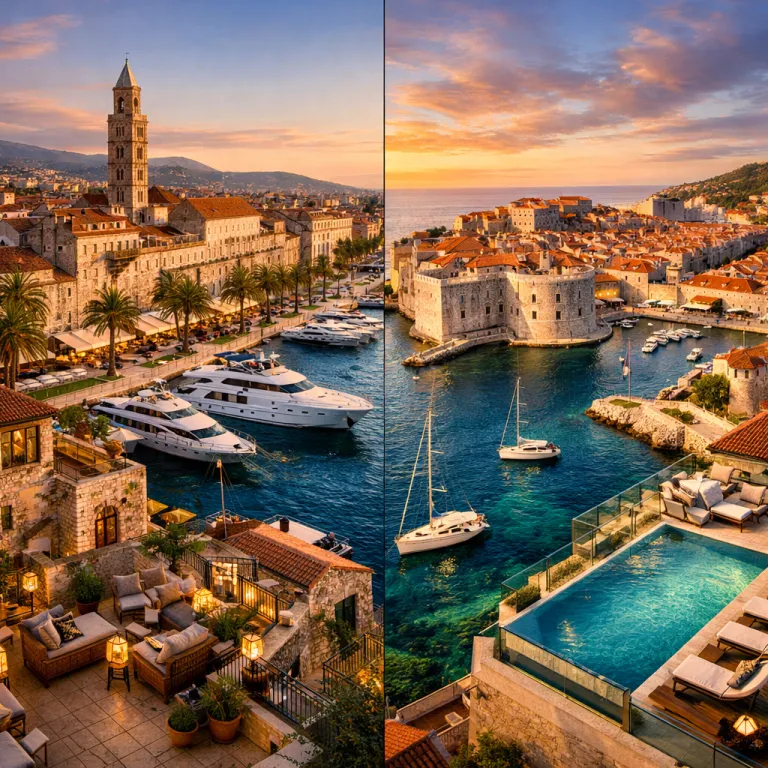
Choosing between Split and Dubrovnik for a luxury Croatian escape
When travellers weigh split vs dubrovnik for a luxury stay, they are really comparing two different moods of the Adriatic. Split feels like a lived in croatian city wrapped around the ancient Diocletian Palace, while Dubrovnik rises as a walled stage set with immaculate stone streets and shimmering sea views. Each city offers premium hotels, refined food, and curated day trips, yet the experience of your trip will differ in rhythm and atmosphere.
From a budget perspective, Split is generally cheaper than Dubrovnik, especially for longer stays in high season. That makes Split better for travellers who want five star comfort but also value more flexible rates, and this is why many guests see Split best for combining city life with frequent day trips. Dubrovnik town, by contrast, commands higher prices for rooms with direct views of the city walls or the sea, and this can make cheaper Dubrovnik options harder to secure at short notice.
Luxury travellers often ask which city is better for a first visit to Croatia, and the answer depends on what you want to feel each day. If you picture yourself walking historic city walls at sunset and recognising game thrones filming locations, Dubrovnik best matches that cinematic dream. If you imagine starting the day with coffee in a local square, taking a day trip to a national park, then returning to a waterfront restaurant, Split better reflects that relaxed yet sophisticated lifestyle.
Old stone, city walls, and the character of each coastal town
In the split vs dubrovnik debate, heritage is often the deciding factor for many guests. Split grew around the Diocletian Palace, a vast Roman complex that now houses apartments, wine bars, and discreet luxury hotels within its walls. Walking through the palace at night, you feel the city breathing around you, and this living monument makes Split best for travellers who enjoy history woven into everyday life.
Dubrovnik town offers a different kind of immersion, with perfectly preserved city walls encircling marble streets and baroque churches. A walk along the city walls gives sweeping views of terracotta roofs, the Adriatic, and nearby Lokrum Island, and this experience alone convinces some that Dubrovnik better suits a once in a lifetime trip. For many, the contrast between Split’s open waterfront and Dubrovnik’s enclosed old town is at the heart of the split vs dubrovnik choice.
Luxury and premium hotel booking in Croatia must also consider how guests move through each city during their stay. Split’s centre is flatter and more spacious, which makes it better for travellers who value easy access to the beach, the harbour, and the Diocletian Palace in a single day. Dubrovnik’s lanes are steeper and more vertical, so some travellers prefer to stay just outside the old town walls in resorts that offer lifts, pools, and direct beach access, especially when planning a longer trip with multiple day trips into the countryside, including refined retreats in the Croatia countryside for discerning hotel guests.
Beaches, best views, and blue cave day trips from each city
For many travellers comparing split vs dubrovnik, the question of the best beaches is central. Split offers a string of city beaches within a short walk or taxi ride, with Bačvice and nearby coves providing shallow water and lively cafés. This makes Split better for guests who want to swim every day without committing to long day trips, and it helps position Split best for families and couples who like to mix city time with relaxed beach hours.
Dubrovnik town has fewer central beaches, but the ones near the old city walls offer dramatic views and clear water. Many premium hotels here provide private or semi private beach platforms, which can make Dubrovnik best for travellers who value exclusivity over sand. When comparing Dubrovnik better or Split better for sea access, it often comes down to whether you prefer a classic beach or a polished waterfront terrace with direct ladders into the sea.
Both cities serve as strong bases for day trips, including the famous blue cave excursions. From Split, day trips to the blue cave combine island hopping with stops at some of the best beaches in central Dalmatia, and this flexibility often makes winner Split for travellers who want variety. From Dubrovnik, day trips focus more on the Elaphiti islands and coastal views of the city walls, and some guests feel that winner Dubrovnik offers a more serene, less crowded style of cruising compared with the busier Split Dubrovnik routes further north.
Food, nightlife, and the rhythm of your Croatian city stay
When assessing split vs dubrovnik for food and nightlife, it helps to think about the rhythm you want each day. Split has a larger permanent population, so its restaurant scene feels more local, with konobas, wine bars, and fine dining spots scattered through the Diocletian Palace and the waterfront. This makes Split best for travellers who enjoy exploring different neighbourhoods at night, and it supports a more diverse range of budgets from casual to premium.
Dubrovnik town, with its compact old centre, concentrates many of its best restaurants within the city walls. Here, dining often comes with views of historic squares or the sea, and this setting can make Dubrovnik better for special occasion meals and romantic evenings. For some guests, the combination of refined food, illuminated stone streets, and the memory of game thrones scenes filmed nearby makes winner Dubrovnik for a single unforgettable night, even if Split better suits the rest of the trip.
Nightlife also differs between the two cities, and this affects luxury and premium hotel booking decisions in Croatia. Split’s bars and clubs stretch along the Riva promenade and into the palace, creating a lively but manageable scene that many consider Split best for younger couples and groups. Dubrovnik’s nightlife is more concentrated and seasonal, with a few standout venues inside the city walls and along the coast, and travellers who prefer quieter evenings in high end lounges often feel that Dubrovnik best matches their style, especially when combined with a carefully planned Croatia honeymoon filled with coastal glamour and island romance.
Day trips, national parks, and how much time to spend in each city
Another layer of the split vs dubrovnik decision involves how you plan your day trips across Croatia. Split stands closer to several national park highlights, including Krka National Park, which is reachable in a comfortable day trip and pairs well with wine tasting or coastal stops. This proximity makes Split better for travellers who want to balance city time with nature, and many itineraries treat Split best as a hub for exploring waterfalls, islands, and nearby towns.
Dubrovnik town, positioned further south, offers different day trips that focus on coastal scenery and cross border excursions. From here, travellers can take day trips to nearby countries or sail around Lokrum Island and the Elaphiti archipelago, enjoying views back to the city walls from the water. For some, this maritime focus makes Dubrovnik better for a shorter but intense stay, especially when the main goal of the trip is to experience the old town and its surroundings rather than a wide sweep of Croatia.
When deciding how much time to allocate, many travellers choose a split Dubrovnik combination, spending several nights in each city. This approach avoids the need to declare a single winner Split or winner Dubrovnik, and instead recognises that each city offers a different facet of croatian coastal life. If your budget allows, consider starting in Split for its national park access and beaches, then finishing in Dubrovnik town for its city walls, refined food, and final day of relaxed views before departure.
Budget, value, and choosing the best luxury hotel for your trip
For luxury and premium hotel booking in Croatia, budget and value play a crucial role in the split vs dubrovnik choice. Split is widely regarded as more budget friendly, with a broader range of upscale properties that still feel integrated into the city. This perception of cheaper Dubrovnik compared with Split is often reversed in practice, as Dubrovnik town tends to command higher nightly rates for rooms with direct views of the city walls or the sea.
Travellers who prioritise space, pools, and easy access to the best beaches may find Split better for stretching their budget without sacrificing comfort. Many properties here sit close to both the Diocletian Palace and the beach, allowing guests to move from historic streets to the waterfront in a single day. This combination of city and beach access helps position Split best for longer stays, especially when planning multiple day trips to the blue cave, Krka National Park, or nearby islands.
In Dubrovnik, the focus often shifts to location within or just outside the old town, and this can make Dubrovnik best for travellers who value atmosphere over room size. Properties with terraces facing Lokrum Island or the illuminated city walls can feel like private stages, and for some guests, this makes winner Dubrovnik despite the higher rates. When comparing dubrovnik split itineraries, consider whether you prefer to allocate more of your budget to a few nights in Dubrovnik town or to a longer, more flexible stay in Split that includes additional experiences across Croatia.
Which city is the better winner for your Croatian coastal journey
Ultimately, the split vs dubrovnik question has no single objective answer, because each city excels in different ways. If you value a lived in croatian city with strong connections to national parks, islands, and a variety of beaches, then Split better matches that vision. If your dream trip centres on walking historic city walls, tracing game thrones filming routes, and dining in atmospheric squares, Dubrovnik best fulfils that desire.
Many seasoned travellers resolve the split Dubrovnik debate by embracing both, treating them as complementary rather than competing destinations. They might declare winner Split for value, day trips, and everyday food, while naming winner Dubrovnik for drama, views, and special occasion moments. In practice, the most rewarding itineraries often blend time in Split’s Diocletian Palace area with a final stay in Dubrovnik town, allowing you to experience both sides of the croatian coast in a single trip.
When planning your own journey, consider how many days you have, what kind of beaches you prefer, and how important budget flexibility is for your hotel choices. Think about whether you want more time on the water, more time within historic walls, or a balance of both through carefully chosen day trips. By aligning these preferences with the strengths of each city, you will find your personal answer to split vs dubrovnik and shape a Croatian stay that feels like your own dubrovnik split coastal story.
Key travel statistics for Split and Dubrovnik
- Split has an estimated population of about 178 000 people, while Dubrovnik has around 43 000 residents, highlighting the difference in city scale.
- Average summer temperatures reach approximately 30 °C in Split and 29 °C in Dubrovnik, offering reliably warm conditions for beach and city stays.
Questions travellers also ask about Split and Dubrovnik
Which city is more affordable for a luxury stay ?
Split is generally more budget friendly than Dubrovnik, especially in peak season. Luxury travellers often find that their budget stretches further in Split, allowing for larger rooms or longer stays. However, Dubrovnik can still offer good value when you book early and choose locations just outside the old town.
Which city has better beaches for premium travellers ?
Split offers more accessible and diverse beaches within easy reach of the city centre. This makes it particularly attractive for travellers who want to swim daily without long transfers. Dubrovnik compensates with dramatic coastal settings and hotel platforms that provide direct access to deep, clear water.
Which city is better for families seeking comfort and convenience ?
Split is more family friendly thanks to its flatter layout, wider promenades, and nearby shallow beaches. Many families appreciate being able to walk from their hotel to both the Diocletian Palace and the waterfront in a single day. Dubrovnik can still work well for families, but its steeper streets and higher prices require more careful planning.