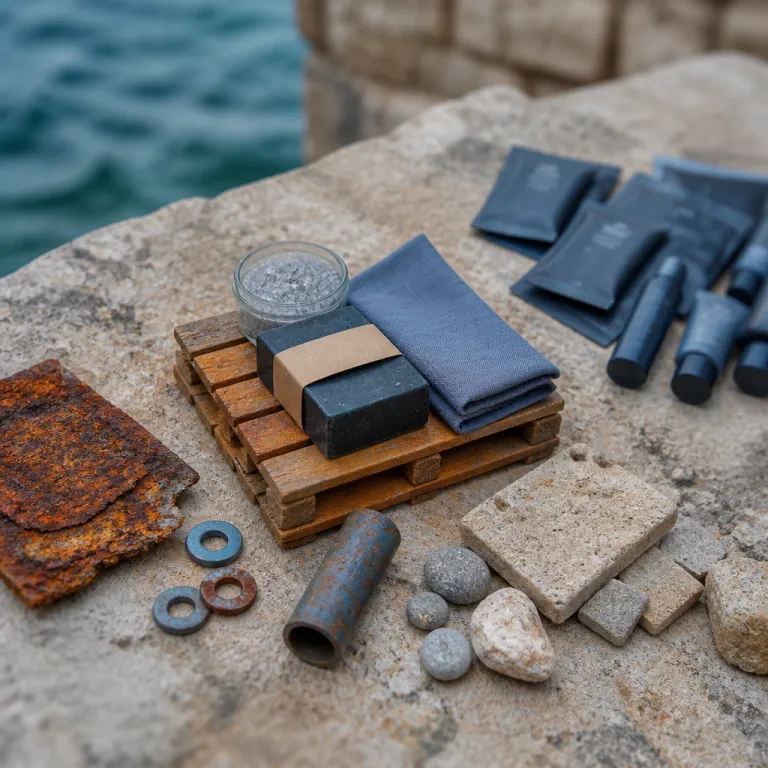
How sustainable hotels in Croatia really work behind the scenes
In Croatia, the phrase sustainable hotels is now everywhere, from glossy resort brochures to modest family run hotels. For a premium family planning a trip, the challenge is understanding which hotels in Croatia turn eco promises into measurable sustainability and which simply repaint the same old tourism model in green. When you look closely at a hotel or at several hotels and resorts across the coast and islands, the most reliable signals are certifications, transparent data and how the property treats its people, its energy and its water.
Three certification labels matter most for sustainable hotels in Croatia that take sustainability seriously. DGNB, Green Key and the EU Ecolabel each require an independent audit of energy use, water management, waste, local sourcing and long term sustainable development planning, which is why certification driven luxury hotels tend to publish detailed sustainability reports. For example, the Croatian National Tourist Board has reported in recent sustainability briefings that certified properties must document annual performance and submit to periodic rechecks, and hotel groups often summarize these audits in their own environmental reports. Experts often advise guests to “verify hotel certifications”, “check for transparent sustainability reports” and “observe actual eco-friendly practices” when choosing environmentally responsible hotels or any other eco conscious accommodation in the country.
Valamar Amicor Green Resort on the island of Hvar is a benchmark for certification led sustainable tourism in Croatia. It is presented as the first Croatian resort with DGNB international certification, with the initial certificate announced in 2022 and valid for several years subject to renewal, which means the resort has been evaluated across dozens of sustainability indicators, from construction materials to on site energy systems and the protection of surrounding nature. For a family comparing sustainable hotels across Croatia, that DGNB label is a stronger guarantee than any generic eco friendly icon on a booking page, although guests should still confirm the current status of the certificate on arrival or via the resort’s official documentation.
Numbers tell part of the story for eco conscious travelers who want the best balance between comfort and impact. According to data referenced by the Croatian National Tourist Board in recent green tourism overviews, around 150 hotels now hold some form of eco certification in Croatia, which shows how fast sustainable tourism has moved from niche to norm, though figures can change as new properties are audited. Research cited by the Green Hotels Association indicates that certified hotels can cut average energy consumption by about 20 %, and those savings often fund better family friendly accommodations, improved play areas for children and more generous investment in local community projects. One hotel manager in Istria described this trade off in a 2023 industry panel as “saving on kilowatts so we can spend more on people and places”.
Behind the scenes, hotel management teams are now the implementers of these sustainability commitments, not just the marketing voice. They work with environmental organizations that act as advisors and with local suppliers who provide seasonal produce, natural cosmetics and eco friendly amenities that reduce plastic and support responsible tourism. As one sustainability manager at a coastal resort explained in an industry workshop in 2022, “Our certifications are only meaningful if guests can see the changes in daily operations, from the breakfast buffet to the way we manage water in the gardens.” When you see a hotel in Dubrovnik or in Istria publishing a clear sustainability roadmap, with targets for energy, water and waste, you are usually looking at a property where sustainability is embedded in daily operations rather than added as a decorative label.
Three Croatian models of sustainable hospitality that actually change your stay
Across Croatia, sustainable hotels fall into three broad models that shape how your family experiences each stay. Certification driven properties use labels like DGNB, Green Key or EU Ecolabel as a framework, philosophy driven hotels build every decision around a deeper eco conscious worldview and operations driven hotels focus on practical, often invisible, efficiency upgrades. Understanding these models helps you choose the best accommodation for your children, whether you are heading to Dubrovnik, to Istria or to the lakes national parks inland.
Certification driven hotels are common among larger hotel resorts and upscale resort complexes along the Adriatic. Valamar Amicor Green Resort on Hvar is the clearest example, with DGNB certification guiding everything from building orientation for natural light to advanced water saving fixtures and on site waste separation. Families staying here see sustainability in the layout of car free paths, in the use of LED lighting throughout the resort and in the way the hotel communicates its responsible tourism commitments at check in and in pre arrival information, sometimes even sharing a short summary of the latest DGNB audit so guests can see which targets have already been met.
Philosophy driven eco hotels often feel more intimate and rooted in local culture, even when they qualify as luxury hotels by service standards. Hotel Korinjak on the island of Veli Iž, for example, has built a vegetarian only, nature immersion concept that prioritizes silence, simple accommodation and direct contact with the surrounding park like landscape rather than conventional resort luxury. This kind of eco friendly philosophy appeals to families who want children to experience natural beauty, learn about local plants and understand why sustainable development matters for future tourism in Croatia, while still enjoying a comfortable stay. Parents often report in reviews that children remember the scent of pine trees, the quiet coves and the evening workshops more than any formal entertainment program.
Operations driven sustainable hotels focus on the nuts and bolts of energy and water management, sometimes without headline grabbing labels. Sun Gardens Dubrovnik is a good example, with active composting, water conservation systems, eco friendly cleaning products and bicycle rentals that reduce short car trips into the Old Town. These hotels may not talk about Eco Domus style certification, but they invest in solar panels, LED lighting, recycling bins and staff training that quietly reduce the environmental footprint of every night of accommodation and often improve long term comfort for guests. A facilities manager at one such property described the approach as “engineering first, marketing second”, emphasizing that guests feel the benefits even if they never read a sustainability brochure.
For families researching sustainable hotels across Croatia, philosophy driven and operations driven models can be harder to evaluate from a distance. This is where curated guides to Croatia’s most exclusive eco hotels and sustainable luxury along the Adriatic Sea become valuable, because they translate technical sustainability language into concrete guest experiences. When a reviewer explains how a resort on an island near Stari Grad uses rainwater harvesting, supports local fishermen and designs kids’ clubs around nature education, you can picture how your own children will engage with that environment and decide whether it matches your expectations.
UPUHH, the Croatian hospitality employers association, has been running certification workshops for hotel management teams for many years, which has raised the baseline of sustainability knowledge across hotels in Croatia. These workshops help properties in Istria, in Dubrovnik and near Plitvice Lakes understand how to move from ad hoc eco gestures to structured sustainable development strategies. As summarized in UPUHH training materials from 2021 and 2022, topics range from energy audits and water metering to staff engagement and guest communication. As a guest, you benefit through cleaner air, quieter mechanical systems, more thoughtfully designed family accommodations and a more authentic connection to local communities and nature.
How to read through greenwashing when booking sustainable hotels Croatia wide
When every hotel website in Croatia claims to be green, families need a simple way to separate genuine sustainable hotels from clever marketing. The first step is to look for specific, verifiable information about energy, water and waste rather than vague eco friendly slogans. A serious hotel will show you numbers, timelines and partners, not just photos of a recycling bin next to a swimming pool or a generic “we love nature” statement.
Start with certifications, but do not stop there when assessing sustainable tourism claims. A DGNB, Green Key or EU Ecolabel logo should link to a current certificate, and the hotel should explain what changed in its operations to earn that label, from new water saving fixtures to reduced energy use in kitchens and laundries. If a property in Dubrovnik or on an island near Stari Grad mentions Eco Domus or other local schemes, check whether those programs include regular audits and clear criteria for environmentally responsible hotels, and verify that the certification is still valid by checking the issue date and renewal period in the latest summary.
Language on the website is another strong indicator of whether sustainability is real or performative. Genuine eco conscious hotels talk about local suppliers, community groups, environmental organizations and specific national park partnerships, while greenwashing properties rely on generic phrases about loving nature and being eco friendly without naming any actors. When a hotel explains how it works with local farmers, with environmental organizations as advisors and with community groups to support responsible tourism, you can trust that sustainability is part of its daily activity rather than a seasonal marketing theme. Some properties even quote staff members or local partners in their reports, which adds another layer of credibility.
Look closely at how a hotel describes its location and surroundings, especially near sensitive areas like Plitvice Lakes or other lakes national parks. Responsible properties will mention visitor caps, shuttle systems, boardwalk rules and how they help guests minimize impact on fragile nature, while less responsible hotels focus only on being the best located accommodation for quick access. If a resort near a national park promotes off trail activities or noisy motorized excursions inside protected zones, that is a red flag for responsible tourism and a sign to look for alternatives.
Guest reviews can also reveal whether eco oriented accommodations live up to their sustainable image once you arrive. Families often comment on details like refillable glass bottles instead of plastic, clear recycling instructions in rooms, the presence of LED lighting and whether staff can explain the hotel’s sustainability initiatives when asked. When multiple reviews mention poor waste management, constant towel changes or heavy single use plastics, you are probably looking at a hotel where sustainability is still more aspiration than reality and where future improvements are needed. Conversely, repeated mentions of quiet rooms, fresh local food and well maintained green spaces usually signal that eco measures are working in practice.
Finally, pay attention to how a property talks about the future of its sustainability journey. Serious sustainable hotels in Croatia share timelines for reducing carbon emissions, improving energy efficiency and deepening partnerships with local communities, sometimes aiming for carbon neutrality over several years. When a hotel publishes a roadmap that includes milestones for new solar panels, expanded water reuse systems and enhanced training for hotel management and staff, you can be confident that sustainability is not just a passing trend but a long term business strategy, backed by measurable goals and regular progress updates.
What sustainability means for your family’s comfort, safety and sense of place
For a premium family, the value of sustainable hotels in Croatia is not only environmental, it is experiential. Properties that take sustainability seriously tend to be quieter, healthier and more rooted in local culture, which makes every night of accommodation feel more meaningful. When energy systems are efficient and LED lighting is well designed, rooms stay cooler, air quality improves and children sleep better after long days in the sun and sea air.
Food is where sustainability becomes tangible for both adults and children in eco conscious hotels. Local sourcing means breakfast buffets in Istria feature regional olive oils, seasonal fruit and cheeses from nearby farms, while coastal hotels serve fish from small scale fishermen rather than anonymous industrial suppliers. This connection to local producers supports sustainable development in rural communities and gives your family a richer sense of Croatia’s natural beauty and culinary traditions, from island herbs to inland honey. In guest feedback collected by several hotel groups in 2022, parents frequently highlighted local food as the most memorable part of their stay.
Water management is another area where sustainable hotels across Croatia can enhance comfort while reducing impact. Low flow fixtures, greywater reuse and careful irrigation keep gardens lush without draining local resources, which is especially important on an island with limited freshwater or near a lakes national park where ecosystems are sensitive. Families often notice that eco friendly pools use fewer harsh chemicals, and that outdoor showers and taps are placed to encourage quick rinses after the beach, saving water without feeling restrictive or compromising enjoyment.
Thoughtful design around nature also shapes how children experience a resort or hotel. Properties that integrate green roofs, shaded play areas and car free paths create safer spaces for kids to roam, while also protecting local flora and fauna. In Dubrovnik, for example, some luxury hotels now orient terraces and pools to frame the sea and the old stone walls without dominating the coastline, preserving the sense of place that makes the city one of the best destinations in Croatia and reinforcing the emotional connection between guests and the landscape. Architects involved in recent coastal projects often describe this as “designing with the view, not over it”.
Health and safety benefits extend indoors, where eco friendly cleaning products and better ventilation reduce exposure to harsh chemicals. Families with allergies or asthma often find that sustainable hotels feel more comfortable, because hotel management has invested in high quality filtration, natural materials and careful maintenance. These operational choices may start as sustainability measures, but they translate directly into better sleep, fewer irritations and a calmer atmosphere for both parents and children, especially during longer stays.
Finally, there is the educational dimension of staying in eco conscious hotels that practice responsible tourism. Many properties now offer kids’ activities focused on local nature, from guided walks in nearby park landscapes to workshops about marine life or recycling, which turn a simple holiday into a gentle sustainability lesson. When your children see how a resort on an island near Stari Grad or a lodge near Plitvice Lakes treats water, energy and waste, they carry those habits home, extending the impact of your trip beyond Croatia and into everyday family routines.
Planning a sustainable family stay in Croatia without sacrificing luxury
Planning a sustainable family trip to Croatia starts with choosing the right regions and property types for your travel style. For many premium families, a mix of one coastal resort, one island stay and a few nights near a national park offers the best balance between relaxation and exploration. Within that framework, you can then prioritize sustainable hotels that align with your expectations for service, space and access to nature, while still meeting your budget and timing.
On the coast, Dubrovnik and Istria offer some of the most advanced examples of sustainable hotels across Croatia, especially among larger hotel resorts. Sun Gardens Dubrovnik, for instance, combines resort level amenities with composting, water conservation and eco friendly cleaning, while several Istrian properties integrate local stone, green roofs and energy efficient systems into their architecture. Families who want a deeper dive into sustainable luxury along the Adriatic can consult curated guides on new hotel openings, which highlight where sustainability and high end comfort intersect most convincingly and often reference concrete performance indicators such as energy savings or waste diversion rates.
Island stays add another layer of eco conscious decision making, because resources like water and energy are often more limited. On Hvar, Valamar Amicor Green Resort shows how a DGNB certified resort can aim to deliver both family friendly accommodation and serious sustainability, while smaller properties near Stari Grad experiment with Eco Domus style standards and low impact design. When choosing an island hotel, look for clear information about how the property manages waste, supports local transport and protects surrounding nature, especially if it promotes itself as the best eco option on the island or in the archipelago.
Inland, the area around Plitvice Lakes and other lakes national parks is seeing a new wave of sustainable development focused on low impact lodges. Projects such as the planned Venari Lodges near Plitvice Lakes, associated in announcements with Grand Metropolitan Hotels, aim to create around 60 sustainability designed units that blend into the forest and prioritize energy efficiency, water conservation and minimal land disturbance. Early concept descriptions from 2023 emphasize wooden structures, discreet pathways and limited car access. For families, these nature oriented accommodations offer a quieter alternative to crowded roadside hotels, with direct access to trails and a closer relationship with the park environment.
When comparing options, consider the business case behind each hotel’s sustainability strategy, because it often aligns with better guest experiences. Properties that invest in efficient energy systems, durable materials and strong local partnerships tend to have lower operating costs and more resilient supply chains, which supports consistent service quality. Over time, these hotels can reinvest savings into staff training, kids’ programs and upgraded facilities, making them some of the best choices for families who want both comfort and conscience in Croatia.
Finally, remember that your choices as a guest reinforce the direction of Croatian tourism. When you book eco conscious hotels, ask informed questions about sustainability and support local experiences that respect nature, you encourage more hotel management teams to prioritize responsible tourism. In a country where natural beauty is the foundation of its appeal, every family that chooses sustainable hotels helps ensure that Croatia remains a place where green hills, clear lakes and quiet coves still feel unspoiled for the next generation.
FAQ
How can I verify a hotel's sustainability claims in Croatia ?
The most reliable way to verify sustainability claims is to look for recognized certifications such as DGNB, Green Key or the EU Ecolabel and then read the hotel’s published sustainability report. Reputable hotels in Croatia usually explain how they manage energy, water and waste, and they name local partners or environmental organizations they work with. If you cannot find this information, contact hotel management directly and ask for recent data or audit results, or request a copy of the latest certification summary, including the year of the last inspection.
What are common signs of greenwashing in Croatian hotels ?
Common signs of greenwashing include vague eco friendly language without specific actions, a lack of recognized certifications and no mention of measurable goals or timelines. Hotels that only talk about reusing towels, planting a few trees or loving nature, but never mention energy use, water management or waste reduction, are often not fully committed to sustainability. Another warning sign is when staff cannot explain the property’s sustainability initiatives when you ask simple questions at reception or via email before booking, or when different employees give contradictory answers.
Why is local sourcing important for sustainable hotels in Croatia ?
Local sourcing reduces transport emissions, supports nearby farmers and producers and keeps more tourism revenue within Croatian communities. When hotels buy food, wine, toiletries and services from local suppliers, they strengthen regional economies and help preserve traditional crafts and agriculture. For guests, this means fresher ingredients, more authentic experiences and a clearer connection between their stay and the surrounding landscape, from coastal fisheries to inland vineyards.
Do sustainable hotels in Croatia cost more than conventional options ?
Prices vary, but sustainable hotels are not always more expensive than conventional properties, especially outside peak dates. Many eco conscious hotels reduce operating costs through efficient energy and water systems, which can help keep rates competitive while still offering high quality service. For families, the added value often comes from healthier environments, better food and more meaningful activities rather than from overt luxury extras or purely cosmetic upgrades.
Are sustainable hotels suitable for families with young children ?
Sustainable hotels in Croatia can be excellent for families with young children, because they often provide safer outdoor spaces, cleaner air and nature focused activities. Car free paths, shaded play areas and educational programs about local wildlife or marine life are common in well designed eco resorts. Parents usually appreciate the combination of child friendly facilities and a calmer, more natural setting that encourages slower, more attentive travel and creates lasting memories for the whole family.