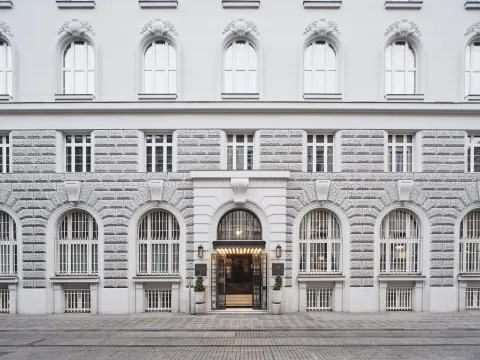
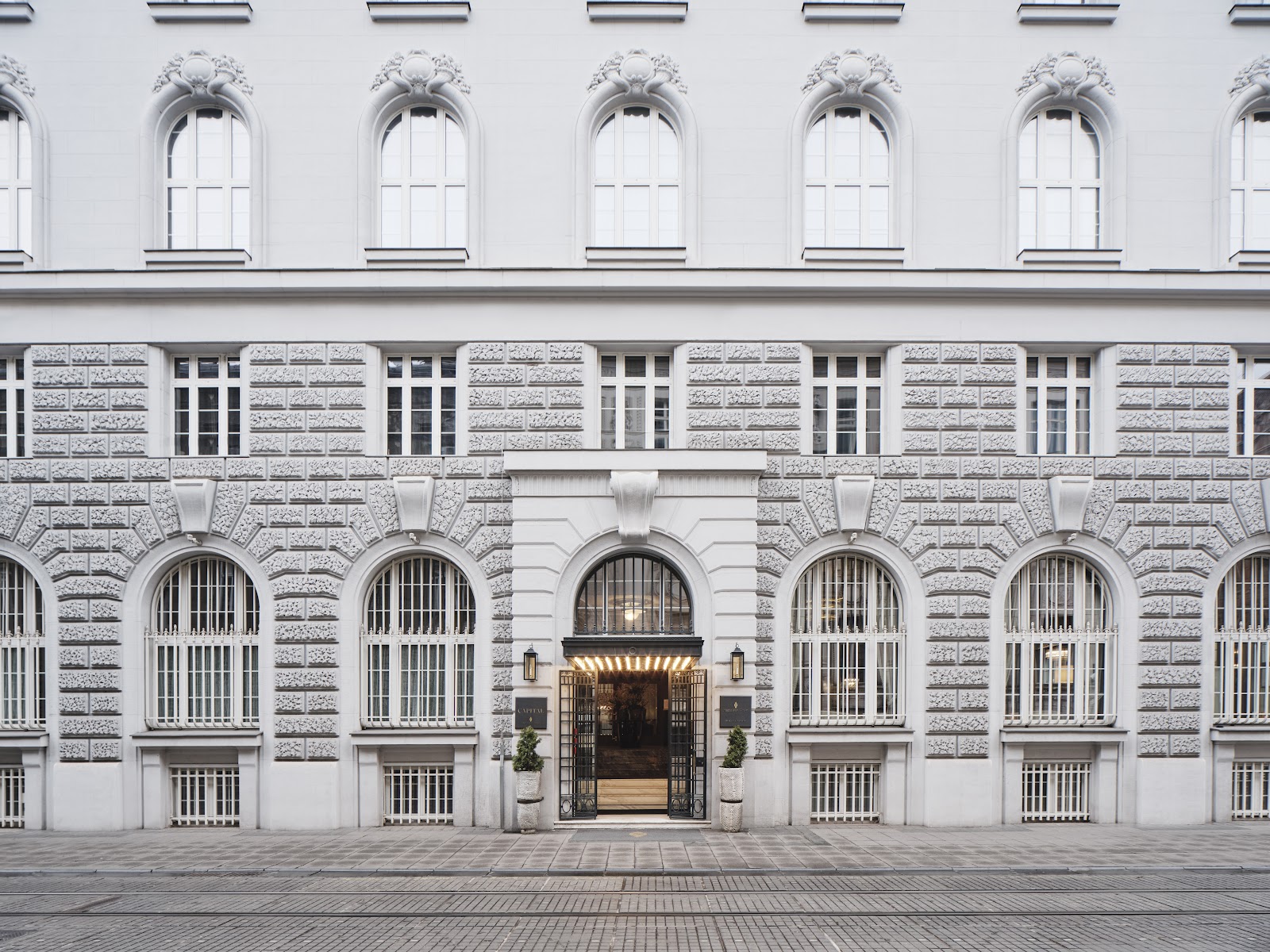
Discover the best hotels in Zagreb, Croatia: compare lower town vs upper town, see concrete examples of top properties with locations and price ranges, and find practical tips on transfers, areas, and where to stay for business, families, or a short city break.
Staying in Zagreb: is it worth it for a city break?
Stone façades along Trg bana Jelačića, tram bells, and café terraces under chestnut trees set the tone before you even reach your hotel. Zagreb is not a coastal resort city; it is a compact Central European capital where you walk rather than rush, and where the best Zagreb hotels quietly mirror that rhythm. For a two or three night stay, the city works beautifully as a refined stopover between the Adriatic and inland Europe, or as a standalone weekend focused on food, art, and architecture.
The main decision is not whether to come, but where in town to sleep. The lower town, with its grand avenues and parks, offers the highest concentration of star hotels and heritage hotel conversions, while the upper town above Ilica Street trades convenience for atmosphere and cobbled lanes. Guests who value easy access to the city center, the main train station, and the airport shuttle usually gravitate toward the lower town Zagreb hotel cluster. Those who prefer quiet evenings and church bells drifting over red roofs may accept a steeper walk to the upper town instead.
For most travelers looking for a hotel in Zagreb, Croatia, the lower town and immediate city center provide the best balance of availability, comfort, and access. You can reach the main square on foot in under ten minutes from many of the best hotels, yet still be a short taxi ride from the airport or bus station. That mix makes Zagreb an excellent base for both first-time visitors and repeat guests using the city as a hub.
Lower town vs upper town: choosing your Zagreb base
Yellow trams glide along Praška and Ilica while guests wheel suitcases past 19th century façades; this is the lower town at check-in time. Here you find most of the larger hotels in Zagreb, Croatia, often in historic buildings facing parks or side streets just off the city center. Staying in this area means a short minute walk to Zrinjevac Park, the main train station, and the central square, with cafés and galleries layered in between. It suits travelers who want a classic city hotel experience with everything on the doorstep.
Up the funicular from Tomićeva Street, the upper town feels like another world. Narrow streets around St. Mark’s Church, gas lamps, and viewpoints over the whole city define this quarter. Hotels are fewer, often in smaller heritage properties or apartments carved out of old townhouses. You trade immediate access to the tram network for intimacy and a sense of old town Zagreb that lingers after the day visitors leave. For some, that quiet after dark is the real luxury.
There is also a third option that many overlook: staying slightly east or south of the strict city center, closer to the main bus station or newer business districts. These areas are practical for guests arriving late by bus or needing quick access to the airport shuttle, and they often offer better availability when central hotels are full. The trade-off is clear; you gain efficiency and modern rooms, but you will rely more on tram or taxi to reach the historic core.
Quick comparison: best areas to stay in Zagreb
- Lower town (Donji grad): Best for first-time visitors, short breaks, and sightseeing on foot.
- Upper town (Gornji grad): Best for atmosphere, history, and quieter evenings.
- Bus station / business districts: Best for business trips, late arrivals, and airport access.
- Serviced apartments around center: Best for families, longer stays, and self-catering.
What to expect from top hotels in Zagreb
Marble lobbies, high ceilings, and a certain Central European formality still shape the experience in many of the best hotels in Zagreb. Even when the design leans contemporary, you will often see nods to local art, from Croatian painters on the walls to sculptural lighting inspired by the city’s Austro-Hungarian past. Rooms in the upper tier tend to be generous by European capital standards, with classic double rooms starting around 25 m² and suites expanding into separate living areas.
In the lower town, several properties occupy grand early 20th century buildings originally designed for rail travelers, which explains their proximity to the train station and the main avenues. These often function as de facto heritage hotels, with ballrooms, terraces, and staircases that feel more like a city institution than a simple place to sleep. Guests who appreciate this atmosphere usually prefer them over more anonymous modern constructions further out.
Elsewhere in the city center, you will find a mix of smaller art-focused properties and serviced apartments. Some play with the idea of an art otel, integrating rotating exhibitions or design pieces into common areas and rooms. Others emphasize residential comfort, offering apartment-style layouts with kitchenettes for longer stays. When comparing options, look closely at room size, building age, and whether the property feels more like a traditional star hotel or a contemporary city residence; the experience differs markedly.
Top 5 hotels in Zagreb by travel style
- Best for classic luxury: Esplanade Zagreb Hotel (5★, lower town, about 5 minutes on foot to the main train station and 10–12 minutes to the main square; typical double rooms often start in the mid-to-high €100s per night outside peak events).
- Best for first-time visitors: Hotel Dubrovnik (4★, directly on Ban Jelačić Square in the city center; you step out onto the main square in seconds, with many sights within a 5–10 minute walk; standard rooms frequently price in the mid €100s depending on season).
- Best for business travelers: DoubleTree by Hilton Zagreb (4★, near the business district east of the center and within a short tram ride of the main square; typical nightly rates often range from the low to mid €100s, with modern meeting facilities and parking).
- Best for boutique charm: Hotel Jägerhorn (3★, tucked just off Ilica Street between lower and upper town; the funicular is about 2 minutes away on foot and the main square roughly 5 minutes; rooms are usually in the low to mid €100s, reflecting its intimate scale and central location).
- Best for families and longer stays: Aparthotel Snježna Kraljica on Sljeme or central serviced apartments near the lower town park ring (often 10–20 minutes by tram or car from the absolute center, with apartment-style units that typically start around the low €100s per night for more space and kitchen facilities).
Location, access and getting around
Arrivals in Zagreb tend to funnel through three points: the airport, the main bus station, and the main train station. The airport lies southeast of the city, roughly a 25 to 30 minute drive from the center in normal traffic. Many higher-end hotels can arrange an airport shuttle or private transfer on request, while others rely on taxis and ride services. Typical taxi fares into town fall in the mid-range for European capitals, and if you expect multiple airport runs, choosing a hotel on the eastern side of the lower town can shave time off each journey.
The main bus station, on Avenija Marina Držića, anchors a busy transport hub with frequent connections across Croatia and to neighboring countries. Tram lines 2, 6 and 8 link this area directly with the center, so staying within a short tram ride of this area is practical for guests continuing by bus to the coast or returning late at night. By contrast, the main train station sits at the southern edge of the central park ring, a few minute walk from many lower town hotels. For rail travelers, this makes rolling luggage to your Zagreb hotel entirely feasible.
Once checked in, you will likely move on foot and by tram. The city center is compact; from the lower town park ring to the upper town viewpoints above Radićeva Street, you rarely walk more than 20 minutes. Choosing a hotel in the true city center means you can step out for a coffee on Bogovićeva, visit a museum on Tomićeva, and be back in your room without ever consulting a map. Guests staying further out, near newer business districts, should factor in tram travel times when planning evenings in town.
Practical tip: typical transfer times in Zagreb
- Airport to lower town hotels: Around 25–30 minutes by taxi or pre-booked transfer in regular traffic.
- Bus station to main square: Roughly 10–15 minutes by tram, depending on line and time of day.
- Train station to central hotels: Often 5–10 minutes on foot to many properties around the park ring.
- Lower town to upper town viewpoints: About 5 minutes by funicular from Tomićeva Street, or a 10–15 minute uphill walk.
How to choose: profiles, trade-offs and availability
Business travelers often prioritize predictability and access. For them, a modern star hotel near the bus station or along a major avenue toward the airport can be more efficient than a characterful address in the upper town. Meeting rooms, clear check-in procedures, and easy taxi access matter more than a view of tiled roofs. Availability in these areas also tends to hold up better during major events, when central hotels Zagreb can fill quickly.
Leisure guests, especially first-timers, usually benefit from staying as close as possible to the main square and the lower town park ring. From there, every major sight in town Zagreb is within a short walk, and you can return to your room between museum visits and dinners. If you are sensitive to noise, ask for rooms facing inner courtyards rather than tram lines; many historic buildings offer both options. When comparing a hotel lower in the park ring with one deeper into residential streets, weigh the convenience of being in the thick of things against the appeal of quieter nights.
Families and longer-stay guests may find apartments or apart-hotel style properties more comfortable. Extra space, a small kitchen, and laundry facilities can outweigh the formal services of a classic city hotel. However, these residences are often slightly removed from the absolute center, so check walking distances carefully. In peak periods, availability hotel wide can tighten, so it is wise to secure your preferred area early rather than compromising later on location.
At-a-glance: which Zagreb hotel area suits you?
| Traveler type | Recommended area | Why it works |
|---|
| First-time visitor | Lower town near Ban Jelačić Square | Walk to most sights, cafés, and museums in 5–15 minutes. |
| Business traveler | Near bus station or business districts | Efficient access to airport shuttles, offices, and main roads. |
| Couple on a weekend break | Between lower and upper town | Easy sightseeing by day, atmospheric streets and viewpoints at night. |
| Family or long stay | Serviced apartments close to center | More space, kitchen facilities, and quieter residential streets. |
Atmosphere, design and the art of staying in Zagreb
Morning in Zagreb’s lower town smells of coffee and fresh burek from bakeries on Vlaška and Petrinjska. Step out of a polished lobby into that scene and you feel the city’s particular blend of Mitteleuropa and Mediterranean ease. Many of the top hotels in Zagreb Croatia lean into this dual identity, pairing formal service with relaxed public spaces where guests linger over newspapers rather than rushing out. The best addresses understand that their lobby is as much a living room for the city as for overnight guests.
Design-wise, you will see two main directions. Some properties embrace a classic grand-hotel aesthetic, with chandeliers, dark wood, and thick carpets that mute the city noise outside. Others opt for cleaner lines, lighter palettes, and contemporary Croatian art on the walls, creating a more informal feel without sacrificing quality. When you read descriptions or reviews, look for details about materials, lighting, and public spaces; these often reveal more about the true atmosphere than generic labels.
Ultimately, choosing a Zagreb hotel is less about chasing the single “best” option and more about matching your own travel style to the city’s varied hospitality. If you value history and ceremony, a heritage-style property in the lower town will likely feel right. If you prefer a quieter, almost residential stay, consider smaller addresses near the upper town or refined apartments just beyond the busiest streets. Either way, the city itself — its trams, markets, and café culture — will do much of the work once you step outside.
Top Hotels in Zagreb Croatia
Zagreb is an excellent choice for a refined city stay, with most top hotels concentrated in the lower town and around the central square. Travelers should first decide between the convenience of the lower town, close to the train station, airport shuttle connections, and tram lines, and the quieter, more atmospheric upper town above the funicular. The best hotels in Zagreb Croatia typically offer generous rooms, strong sense of place, and easy access on foot to key sights, while serviced apartments suit longer stays and families who value extra space. Before booking, compare exact location, building style, and room size rather than relying on general star ratings, and check availability early in peak periods when central properties fill quickly.
FAQ
Is Zagreb a good city for a short hotel stay?
Zagreb works very well for a two or three night stay, thanks to its compact city center, walkable lower town, and easy connections to the airport, bus station, and train station. You can see major sights, enjoy the café culture, and explore both lower and upper town without long transfers or complex logistics.
Which area of Zagreb is best to stay in for first-time visitors?
First-time visitors usually do best in the lower town or immediately around the main square, where most hotels Zagreb are located. From there, you can walk to the upper town, museums, markets, and main transport hubs, while still having a wide choice of restaurants and cafés within a few minutes on foot.
How far are Zagreb hotels from the airport?
The airport is roughly 25 to 30 minutes by car from the central city, depending on traffic. Hotels in the eastern part of the lower town or near main avenues often offer the quickest access, and many properties can help arrange an airport shuttle or private transfer if needed.
Are apartments a good alternative to hotels in Zagreb?
Serviced apartments and apart-hotel style properties are a strong option for families, groups, or guests staying longer than a few nights. They usually provide more space and kitchen facilities than a standard hotel room, though they may be located slightly outside the very center, so you should check walking distances to key sights.
Is it better to stay near the bus or train station in Zagreb?
Staying near the train station suits guests arriving by rail who want to walk to their hotel and be close to the lower town park ring. The bus station area is more practical for travelers using long-distance buses or needing quick access to airport connections, but it feels less historic than the central city and upper town.