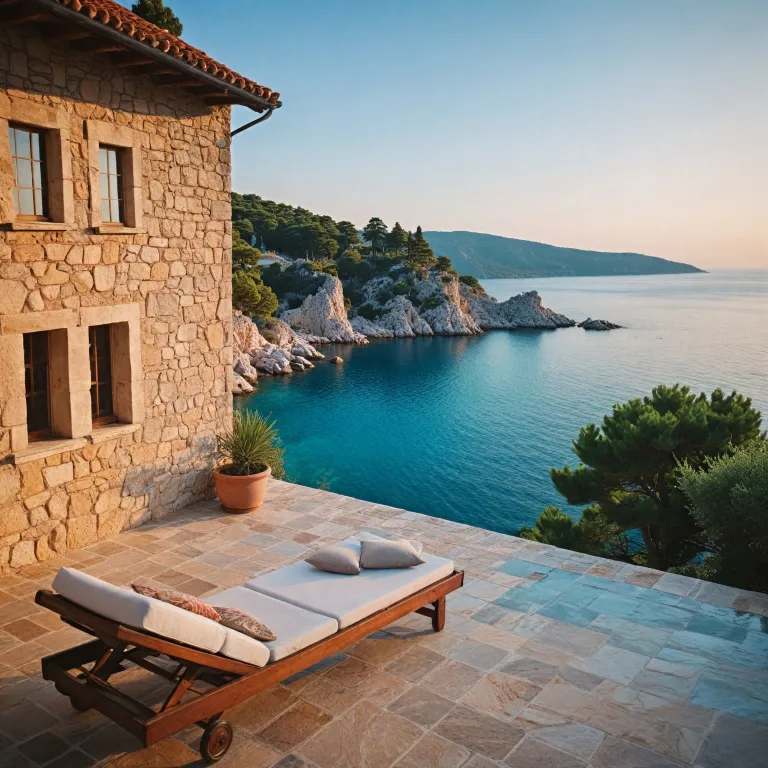
Planning a luxury stay on a Croatia beach coastline
Choosing a luxury hotel on a Croatia beach starts with understanding the coastline. With more than 6 000 km of shore and over 1 000 islands, croatian beaches offer remarkable variety for premium stays. Many of the best beaches sit near historic town centres, where five star properties combine sea views with easy access to culture.
Most beaches in Croatia are pebbly rather than sandy, so travellers often pack water shoes for comfort. However, several sandy beaches exist on selected islands and in sheltered bays, which can be ideal and suitable families seeking gentle entry into the water. When you compare each beach type, look at how the hotel integrates with the shoreline and whether private or semi private access is available.
Environmental quality is a major strength of beaches Croatia wide, supported by strict monitoring of water purity. According to the Croatian Ministry of Environmental Protection, 94 % of tested sites achieve excellent standards, which helps explain the crystal clear sea that many guests praise. The Blue Flag certification program further highlights beaches with outstanding management, safety, and environmental performance.
Peak season brings higher rates and busier beaches, especially near Split Croatia, the Makarska Riviera, and popular islands such as Brač and Korčula island. Many luxury travellers therefore plan a day on a quieter beach Croatia location during late spring or early autumn. These months still offer warm water and long days, while parking, restaurant reservations, and ferry Split connections are easier to manage.
For authoritative coastal information, the Croatian National Tourist Board and the Ministry of Environmental Protection and Energy coordinate tourism promotion and environmental oversight. “The best time is during late spring (May-June) and early autumn (September) to enjoy pleasant weather and fewer crowds.” Their guidance helps travellers align hotel choices with the most comfortable conditions on the sea.
Understanding Croatia beach types for premium hotel guests
When selecting a luxury hotel near a Croatia beach, it is essential to understand local shorelines. The typical beach type along the Dalmatian coast is smooth pebble, which creates exceptionally clear waters and vivid turquoise tones. These croatian beaches often slope quickly into deeper water, so adults enjoy excellent swimming while families may prefer shallower coves.
Sandy beaches are less common but highly sought after, especially by guests with young children. On islands such as Brač and Korčula island, and in certain bays on the mainland, you will find sandy beaches with gradual entry into the sea. Hotels near these sandy stretches often highlight them as the best beaches for a relaxed day in the water without needing water shoes.
Some of the best beaches Croatia offers combine pebbles, rock platforms, and shaded pine forests. These mixed shorelines create varied zones, where one part of the beach suits sunbathing while another offers easy access for snorkelling in crystal clear water. When you read a detailed guide, pay attention to how each section of the coast is described and how close it lies to your chosen town.
Many premium hotels sit above coves framed by pine trees, with landscaped paths leading down to the beach. This layout protects the natural environment while giving guests a direct view of the sea from terraces and pools. Parking is usually integrated into the hotel grounds, which is valuable on islands and in historic centres where public spaces are limited.
Before booking, read guide style descriptions from trusted tourism bodies and compare them with hotel maps. Look for mentions of Blue Flag status, beach type, and proximity to national park areas, which indicate careful environmental management. This approach ensures that your chosen beach Croatia location matches your expectations for comfort, privacy, and natural beauty.
Iconic Croatia beaches near Split, Brač, and Makarska Riviera
Several legendary Croatia beach locations sit within easy reach of Split, making them ideal for luxury travellers. Split Croatia itself offers city beaches where premium hotels overlook the harbour and islands beyond. From here, the ferry Split network connects quickly to Brač, Hvar, and Korčula island, allowing guests to combine urban energy with tranquil beaches.
On Brač, the famous Zlatni Rat stands out as one of the best beaches in Europe. This distinctive beach Croatia landmark stretches like a pale tongue of pebbles into crystal clear water, backed by pine forests and mountain views. Luxury and premium hotels in the nearby town of Bol provide elegant bases, with private transfers, reserved parking, and curated day trips by boat.
Along the Makarska Riviera, a chain of beaches Croatia is framed by dramatic cliffs and dense pine. Here, many five star properties sit directly on the waterfront, offering uninterrupted view lines across the sea and islands. Guests can spend the day on Blue Flag beaches, then return to refined dining rooms that highlight local seafood and Dalmatian wines.
Makarska town itself blends a lively promenade with access to quieter coves a short walk away. This balance suits couples and suitable families who want both amenities and peaceful corners for swimming in clear waters. During peak season, it is wise to reserve loungers through your hotel concierge, especially on the best beaches near the centre.
For those seeking wellness focused stays, several spa oriented properties line the coast between Split and Makarska. A refined online guide to the best spa hotels Croatia offers can help you compare treatments, beach access, and room categories. Many of these hotels also arrange private boat transfers, allowing you to explore nearby islands and return in time for sunset over the Adriatic Sea.
Island retreats and national park settings for luxury stays
Beyond the mainland, Croatia beach experiences on the islands feel more secluded and exclusive. With over 1 000 islands scattered along the coast, travellers can choose between lively resort towns and quiet fishing villages. Premium hotels on these islands often emphasise privacy, panoramic sea views, and direct access to hidden coves.
Korčula island is a refined choice for guests who value heritage and nature. Its main town features stone streets, elegant loggias, and waterfront promenades lined with pine, while nearby beaches offer clear waters and calm conditions. Many hotels here organise private excursions to surrounding islands, where you can spend the day on small beaches Croatia hides away from the main routes.
Some of the best beaches lie near or within national park zones, where development is carefully controlled. In these areas, luxury properties focus on low impact architecture, using natural stone, wood, and native pine forests for shade. Guests benefit from pristine water quality and quiet surroundings, while environmental guidelines help preserve the coastline for future visitors.
Reaching these island retreats often involves a combination of ferry Split services and private transfers. During peak season, it is important to read guide information about schedules and to reserve tickets in advance, especially when travelling with suitable families. Hotels with concierge teams can coordinate ferry times, parking at ports, and luggage handling, reducing stress on travel days.
On many islands, the typical beach type remains pebble, so water shoes are recommended for comfort. However, you will also find sandy beaches in sheltered bays, which are ideal for long, relaxed swims in crystal clear water. When evaluating options, read detailed descriptions of each beach Croatia location, noting whether it is within walking distance or requires a short boat ride.
Practical tips for choosing luxury hotels on Croatia beaches
Selecting the right luxury hotel on a Croatia beach involves more than star ratings. Start by deciding whether you prefer a lively town setting, a quiet cove, or an island retreat surrounded by pine forests. This choice will influence your access to restaurants, cultural sites, and the overall atmosphere of the beaches Croatia offers nearby.
Examine how each property connects to the beach type you prefer, whether pebbly, rocky, or sandy. Some hotels sit directly on Blue Flag beaches, with reserved loungers, towel service, and attentive staff on hand throughout the day. Others perch above the sea, offering dramatic views but requiring a short walk or shuttle to reach the water.
Parking is a crucial factor, especially in historic town centres and on islands with limited space. Many premium hotels include secure underground parking or valet service, which simplifies arrivals during peak season when streets are crowded. If you plan to explore multiple croatian beaches by car, confirm whether in and out privileges are available without extra charges.
Families should check whether the hotel promotes itself as suitable families, with shallow entry zones, lifeguards, and shaded play areas near the beach. Adults focused on wellness may prioritise spa facilities, quiet pools, and proximity to walking paths through pine forests. Reading a comprehensive guide and verified guest reviews will help you understand how each beach Croatia location feels in real life.
Finally, consider access to excursions such as national park visits, island hopping, and private boat charters. Hotels near Split Croatia and the Makarska Riviera often partner with local operators to arrange day trips to the best beaches on nearby islands. By aligning these practical details with your preferences for water activities, scenery, and service style, you can secure a stay that fully reflects the elegance of the Adriatic Sea.
Seasonality, sustainability, and reading the right Croatia beach guides
Timing your trip to a Croatia beach resort has a strong impact on your experience. During peak season, the best beaches near Split, Brač, and Makarska Riviera are vibrant and busy, with full restaurant terraces and active waterfronts. Outside these months, the same croatian beaches feel calmer, with softer light, quieter streets, and more attentive service in luxury hotels.
Environmental sustainability is increasingly central to how beaches Croatia wide are managed. The Croatian National Tourist Board works with local municipalities and environmental NGOs to promote responsible tourism and protect clear waters. Tools such as Blue Flag certification and beach nourishment techniques help maintain both safety and visual appeal along the sea.
When you read a guide to beach Croatia destinations, pay attention to how it addresses environmental practices. Look for mentions of national park proximity, protected pine forests, and policies that limit construction directly on the beach. Hotels that support these measures often provide elevated walkways, careful waste management, and education about respecting the water and shoreline.
Responsible travellers can contribute by visiting outside peak season, using designated parking areas, and following local rules. Simple actions such as wearing water shoes instead of moving rocks, or choosing established paths through pine, help preserve fragile habitats. These habits ensure that sandy beaches, pebble coves, and rocky platforms remain unspoiled for future guests.
Before finalising your booking, read guide style resources from official bodies and compare several perspectives. A well curated read guide will explain differences between each beach type, outline ferry Split connections, and highlight which areas are most suitable families. By combining this information with your own priorities for comfort, privacy, and access to the best beaches, you can plan a refined stay along one of Europe’s most beautiful coasts.
Key statistics about Croatia beaches and coastal tourism
- Length of Croatian coastline, including islands ; approximately 6 000 km.
- Number of islands along the Croatian coast ; around 1 000 islands.
- Percentage of beaches with excellent water quality ; about 94 %.
Essential questions about Croatia beach travel and luxury stays
What is the best time to visit Croatian beaches for a luxury stay ?
The most comfortable period for a luxury holiday on croatian beaches is late spring and early autumn. During these months, the sea is pleasantly warm, while crowds and peak season prices are lower. This timing also makes it easier to secure premium rooms with sea view and to enjoy the best beaches without congestion.
Are Croatian beaches sandy or pebbly, and how does this affect hotel choice ?
Most beaches Croatia offers are pebbly, which contributes to the crystal clear water that many guests appreciate. Sandy beaches exist but are concentrated in specific bays and on selected islands, so they require more targeted planning. When choosing a hotel, read guide descriptions carefully to confirm the beach type and decide whether you will need water shoes or prefer naturally sandy entry into the sea.
Is it safe to swim in the Adriatic Sea along the Croatian coast ?
The Adriatic Sea around Croatia is widely regarded as safe for swimming, with excellent water quality at the majority of monitored sites. Calm conditions in many bays make them suitable families, especially where lifeguards and Blue Flag standards are in place. Always follow local advice, respect marked swimming zones, and pay attention to weather changes when planning a day at the beach.