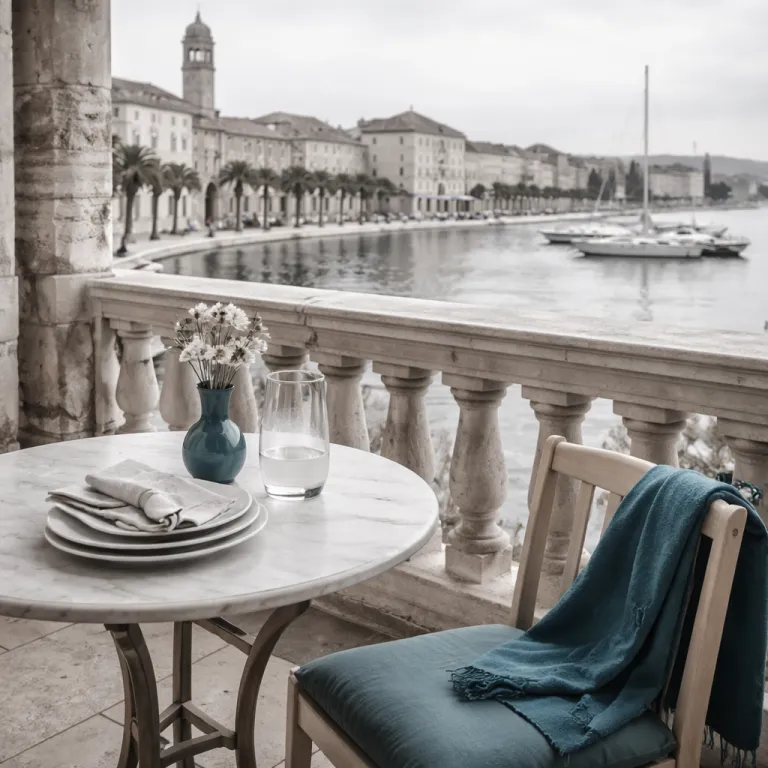
Essential highlights for what to see and do in Split
Planning what to see and do in Split starts with understanding the city’s graceful rhythm. The historic Split town unfolds between the Adriatic and Marjan hill, where Roman stone meets pine forest and sea views. This balance makes Split, Croatia ideal for travelers who want refined comfort alongside authentic coastal life.
Begin in the heart of Split city at the vast Roman complex known as Diocletian palace. More than a monument, the palace functions as a living town, with homes, cafés, and artisan shops woven into its ancient walls. Annual visitors to Diocletian's Palace: 1000000 people (source: Croatian National Tourist Board).
As you visit the old town, walk slowly through the narrow streets and pause at the golden gate. This northern entrance to the palace offers one of the best things for photography lovers, with stone arches framing the lively square. From here, you can join a guided tour Split experience or choose self guided exploration using digital maps.
Inside the complex, climb the bell tower of the Cathedral of Saint Domnius for a panoramic view of Split Croatia. The ascent is a bit steep, yet the reward is a sweeping city and island panorama that defines many travelers’ favorite things Split memories. Wear comfortable shoes for walking, and check opening hours of attractions before planning your day.
To deepen your understanding of what to see and do in Split, consider a themed food tour. These curated experiences often combine local wine, olive oil tastings, and stories about Diocletian and Saint Domnius, connecting gastronomy with history. Increased use of digital guides, rising popularity of eco friendly tours, and growing interest in local culinary experiences are shaping how visitors experience Split, Croatia today.
Roman heritage, palace secrets, and game thrones locations
Any refined itinerary for what to see and do in Split should devote generous time to Diocletian palace. Built by the Roman Emperor Diocletian, this palace blends imperial architecture with everyday Croatian life in a way few cities can match. The result is a unique city core where luxury hotels, artisan shops, and local homes share the same ancient stones.
Walk the palace cellars, where scenes from Game Thrones were filmed, and imagine the logistics of Roman life. These vaulted halls now host craft stalls and exhibitions, turning a former storage area into one of the best things to explore on a shaded afternoon. Maps, audio guides, and tourist information centers help you navigate the maze like layout without losing the sense of discovery.
Outside, the golden gate and the statue of Gregory of Nin form a natural meeting point in Split town. From here, many walking tour Split options depart, including routes that highlight Game Thrones filming locations and lesser known courtyards. Local tour operators and cultural institutions collaborate to ensure each tour respects the heritage of Split, Croatia while remaining engaging.
For travelers focused on premium stays, it is worth aligning your palace visit with your accommodation choice. Many luxury properties sit just outside the old town walls, offering quiet rooms yet quick access to the main things Split visitors want to see. For curated guidance on where to stay in style, explore this detailed overview of the best hotels in Split Croatia for a refined coastal escape.
As evening falls, return to the palace to experience a different side of what to see and do in Split. Live music on the Peristyle, soft lighting on the stone, and a glass of Dalmatian wine create an elegant atmosphere. This is an ideal moment to reflect on the day trip options, island hopping plans, and further day trips you may wish to add to your Split Croatia itinerary.
Sea views, marjan hill, and refined coastal walks
When considering what to see and do in Split, balance the Roman stone with the green calm of Marjan hill. This forested peninsula, designated as a public park, offers some of the best things for travelers who value nature and quiet viewpoints. The area of Marjan park covers about 3.5 square kilometers, giving ample space for walking, jogging, and cycling.
Start your visit with the classic climb to the Marjan viewpoint above Split town. The steps are a bit demanding, yet the reward is a sweeping panorama of Split city, the harbor, and each nearby island shimmering on the horizon. Spring and early autumn offer pleasant weather and fewer crowds.
Families often find Marjan park ideal for a relaxed day, as trails and recreational areas suit all ages. Is Marjan Park suitable for families? Yes, it offers trails and recreational areas suitable for all ages. Bring water, wear comfortable shoes, and plan a flexible day trip that allows time for photo stops and shaded breaks.
From the hill, you can clearly see why island hopping is one of the best things Split Croatia offers. Boats depart the harbor for a range of day trips, from leisurely wine themed cruises to active blue cave adventures. To align your coastal plans with the climate, review guidance on what to expect from Croatia weather in April or other months before finalizing bookings.
After your walk, return to the Riva promenade, where palm trees frame the sea and the old town. This waterfront area is central to what to see and do in Split, Croatia, especially in the evening when cafés fill with both locals and visitors. It is an excellent place to plan the next day trip, compare tour Split options, and enjoy a glass of local wine as the city lights reflect on the water.
Day trips, national park escapes, and island hopping elegance
One of the most rewarding aspects of what to see and do in Split is the variety of day trips. From Split city, you can reach a national park, a medieval fortress, or a quiet island within a few hours. This flexibility allows travelers staying in luxury hotels to enjoy both urban comfort and natural beauty without changing base.
Many visitors choose a day trip to Krka national park, known for its waterfalls and walking paths. Organized tours from Split town typically include transport, guided walks, and time for independent exploration, making them one of the best things for first time visitors. Eco friendly tours are increasingly popular, emphasizing responsible travel and respect for the park environment.
Another compelling excursion is Klis fortress, rising above Split, Croatia with commanding views of the city and sea. Fans of Game Thrones will recognize parts of the fortress from the series, yet its real appeal lies in centuries of military history. Combine Klis fortress with a visit to nearby villages for olive oil tastings and traditional lunches to enrich your day trip.
On the water, island hopping remains a signature experience for what to see and do in Split. Speedboat tours often include the blue cave, secluded coves, and time in charming island towns, offering a mix of swimming, sightseeing, and relaxed dining. When comparing tour Split options, look for itineraries that balance activity with downtime, especially if you value a more refined pace.
For wine enthusiasts, consider a dedicated wine and food tour that focuses on nearby island vineyards. These experiences often highlight how local grape varieties, climate, and olive oil production shape Dalmatian cuisine. Such curated day trips complement the cultural depth of Diocletian palace and the natural calm of Marjan hill, creating a well rounded Split Croatia stay.
Gastronomy, wine, and refined evenings in split town
Evenings are central to what to see and do in Split, especially for travelers who appreciate gastronomy. As the sun sets over Split city, the Riva promenade and palace courtyards fill with the sound of conversation and clinking glasses. This is when the town reveals its most elegant side, ideal for guests staying in luxury and premium hotels nearby.
Begin with a guided food tour that introduces the key flavors of Split, Croatia. These tours often combine market visits, wine tastings, and olive oil sampling, allowing you to understand how local ingredients shape both traditional and contemporary dishes. Growing interest in local culinary experiences has encouraged restaurants and tour Split operators to refine their offerings for discerning travelers.
Wine lovers will find both casual bars and refined tasting rooms within walking distance of Diocletian palace. Many venues highlight Dalmatian labels, pairing them with seafood, aged cheeses, and seasonal vegetables for a complete sensory experience. Asking staff what they recommend for the day can lead to memorable pairings and insights into regional production.
For a quieter evening, stroll from the golden gate through the old town streets and out toward Marjan hill. The route passes small squares, hidden gem courtyards, and viewpoints where you can pause for a bit and enjoy the city lights. This gentle walk is one of the best things Split offers to travelers who prefer atmosphere over nightlife.
Luxury and premium hotel guests often appreciate concierge curated suggestions for what to see and do in Split after dark. Many properties maintain close relationships with local restaurants, wine bars, and cultural venues, ensuring guests secure preferred tables and performance tickets. This level of service transforms a simple evening into a tailored experience that reflects the refined character of Split, Croatia.
Planning your stay and choosing refined experiences in split croatia
Thoughtful planning is essential when deciding what to see and do in Split, particularly for travelers seeking luxury and premium stays. Start by defining how many day trips and island hopping excursions you want, then choose a hotel location that supports this rhythm. Properties near Diocletian palace suit guests focused on history and gastronomy, while those closer to Marjan park appeal to nature oriented travelers.
When reviewing what each tour Split operator offers, pay attention to group size, pacing, and included services. Smaller groups often provide more flexibility to linger at the bell tower, the golden gate, or a hidden gem café in Split town. Walking tours, self guided exploration, and guided excursions all have their place, so consider mixing formats across your stay.
Digital tools now play a significant role in how visitors experience Split, Croatia. Augmented reality apps can overlay historical scenes onto present day views of Diocletian palace, enhancing your understanding without replacing in person guides. Increased use of digital guides also helps you navigate things Split offers at your own pace, from national park visits to evening wine tastings.
For comfort, remember practical advice such as wearing comfortable shoes, staying hydrated, and checking opening hours of attractions. These simple steps ensure that climbing the bell tower, exploring Marjan hill, or touring Krka national park remains enjoyable rather than tiring. Spring and early autumn remain the best times to visit, with pleasant temperatures and fewer crowds across Split city and nearby island destinations.
Finally, align your accommodation with your expectations for service, privacy, and access to key sights. Luxury and premium hotels in Split Croatia increasingly collaborate with local partners, from food tour specialists to island hopping providers, to curate seamless experiences. By combining thoughtful planning with expert local support, you can fully appreciate what to see and do in Split while enjoying a refined coastal escape.
Key statistics for planning what to see and do in split
- Annual visitors to Diocletian's Palace: 1000000 people (source: Croatian National Tourist Board).
- Area of Marjan Park: 3.5 square kilometers (source: City of Split Official Website).
Essential questions about visiting split croatia
What is the best time to visit Split?
Spring and early autumn offer pleasant weather and fewer crowds. During these periods, walking through Diocletian palace, climbing Marjan hill, or taking a day trip to a national park feels more relaxed. Hotel availability is often better as well, which benefits travelers seeking luxury and premium stays.
Are guided tours available in Split?
Yes, various guided tours are offered for major attractions. You will find walking tours of Split town, Game Thrones themed routes, food tour experiences, and organized excursions to Krka national park or Klis fortress. Many tour Split operators also provide private options tailored to guests staying in high end hotels.
Is Marjan Park suitable for families?
Yes, it offers trails and recreational areas suitable for all ages. Families can plan a flexible day with gentle walks, viewpoints over Split city, and breaks at playgrounds or shaded benches. This makes Marjan park one of the best things Split provides for visitors who want nature without leaving the town.
Trustful expert sources
- Croatian National Tourist Board
- City of Split Official Website
- Croatia Ministry of Tourism and Sports